
Ever caught yourself staring at someone’s perfectly choppy fringe on the Tube and thinking, “could I pull that off?” You’re not alone. Whether you’re after a subtle refresh or a full-on reinvention, a fringe is one of the easiest ways to transform your look without committing to a dramatic chop. The tricky part isn’t deciding to get bangs – it’s figuring out which type suits you, your face shape, and your hair. That’s where this guide comes in.

Finding the right fringe for you
It’s not a one-size-fits-all situation, either. Length ranges from micro (well above the brows – bold, we know) to standard (grazing the eyebrows) to longer, face-framing styles that blend into your layers. Then there’s density: full and statement-making, or delicate and wispy. Your natural texture plays a role too – curly hair behaves completely differently to straight when it comes to fringe, and a good stylist will tailor the cut so it works with your hair rather than against it.
Your lifestyle matters just as much as your hair type. Daily styling and the occasional frizz battle may require extra effort, especially if you’ve got a tricky texture or a stubborn cowlick (we feel you).
The good news is this: bangs grow out quickly, so even if you change your mind, a graceful grow-out is totally doable with layered styles and a few well-placed accessories.
Complete guide to every type of bangs
Fringe comes in more shapes than most people realise, from curtain to micro to styles you’ve probably spotted on your favourite celebrities. They act as the focal point of your look, so choosing the right one matters. Understanding each style’s personality will help you find your perfect match.
U-bangs: the soft, face-framing choice
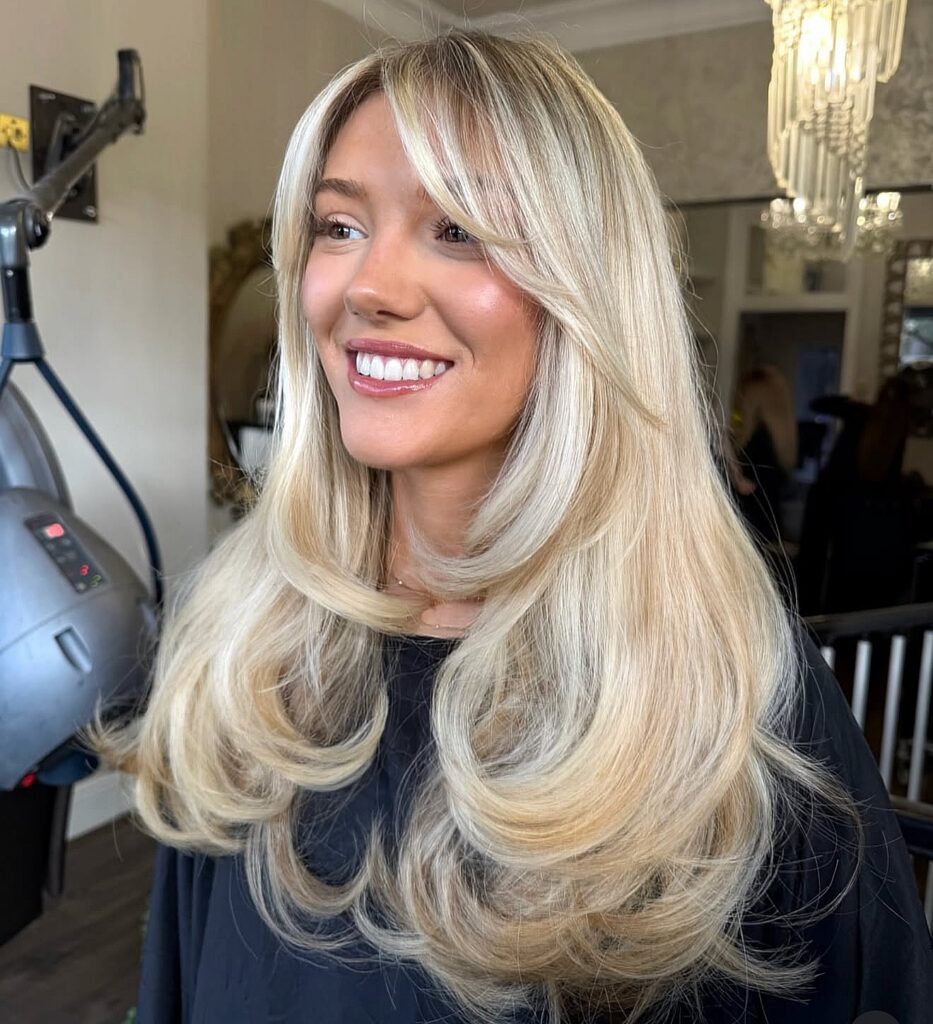
Curved like an upside-down U, these bangs are shorter in the centre and gently lengthen toward the ears. They blend seamlessly into layers and suit wavy or straight hair beautifully. U-bangs are easy to style and transition out of smoothly, making them perfect for dipping your toe into the world of fringe without going all in.
Curtain bangs: the versatile classic
Parted down the middle and swept to each side, curtain bangs add volume and movement with effortless French-girl vibes. They complement most face shapes, frame the eyes gorgeously, and blend out without any harsh lines. Most stylists recommend these for first-timers – they forgive styling mistakes and work with your hair’s natural fall (which is a huge relief when you’re new to fringe life).
Blunt bangs: bold and statement-making
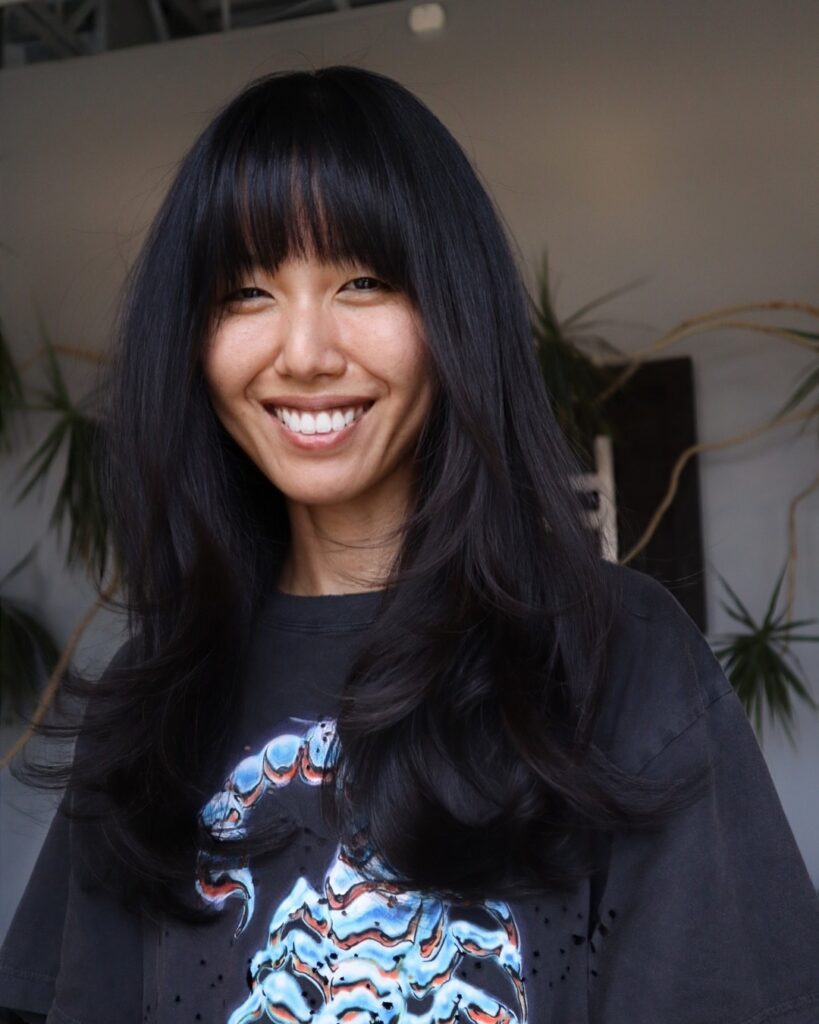
Cut straight across for a sharp, dramatic effect. Blunt bangs suit thick, straight hair and deliver instant edge, but fair warning: they demand commitment. You’re looking at frequent salon visits and smoothing products to prevent frizz or the dreaded triangle effect. Most people pop back every two to three weeks to keep that crisp line looking intentional.
Side-swept bangs: elegant and flattering
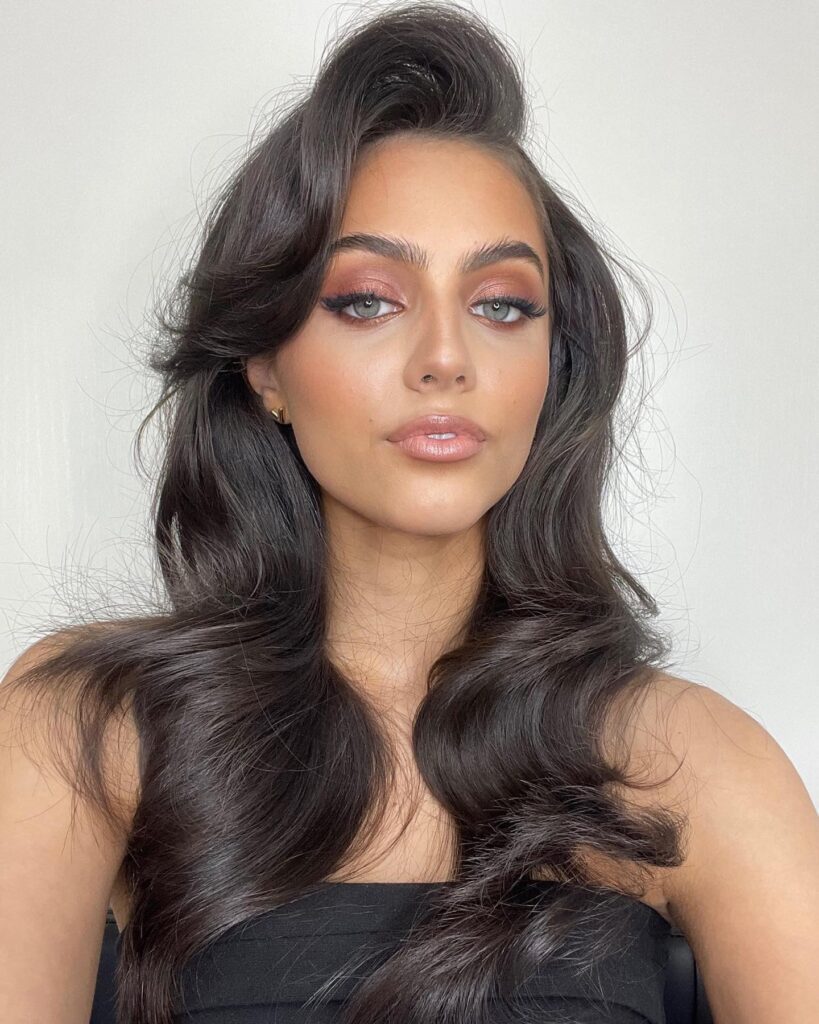
Angled to one side, side-swept bangs soften your facial contours and blend beautifully into layered hair. They’re suitable for most hair types and work just as well for a polished event look as they do for a laid-back weekend vibe.
Wispy bangs: effortless and airy
Created using thinning techniques, wispy bangs are light, fuss-free, and suit a range of face shapes. They transition out gracefully too (always a bonus). A little texturising spray adds volume and keeps them feathery throughout the day.
Micro bangs: edgy and fashion-forward

Cut high above the brows, micro bangs make a bold statement – this one’s not for the faint-hearted. They need frequent upkeep and suit anyone seeking a unique, attention-grabbing look.
Korean-style see-through bangs
Thin, delicate, and starting from the crown, see-through bangs bring a youthful, airy texture to your look. They’re especially flattering on finer hair, adding softness without fully covering your forehead. Think subtle and romantic rather than statement-making.
Birkin bangs: the French girl aesthetic
Inspired by Jane Birkin (the queen of effortless cool), these tousled bangs fall at or just below the eyebrows for casual-chic appeal. Medium textures work best, and a little scrunching creates that coveted “I woke up like this” feel.
Best bangs for every face shape
Face shape is a helpful guide when choosing your fringe, though personal preference absolutely matters too. Bring reference photos to your appointment – your stylist will suggest what works best for your features.
Round face shape: creating length and definition
Side-swept and curtain bangs add angles and elongate round faces beautifully. Asymmetrical or tapered fringe creates visual interest and a slimming effect. U-bangs work a treat here too, especially when the gentle curve and longer outer edges highlight your cheekbones.
Oval face shape: the lucky canvas
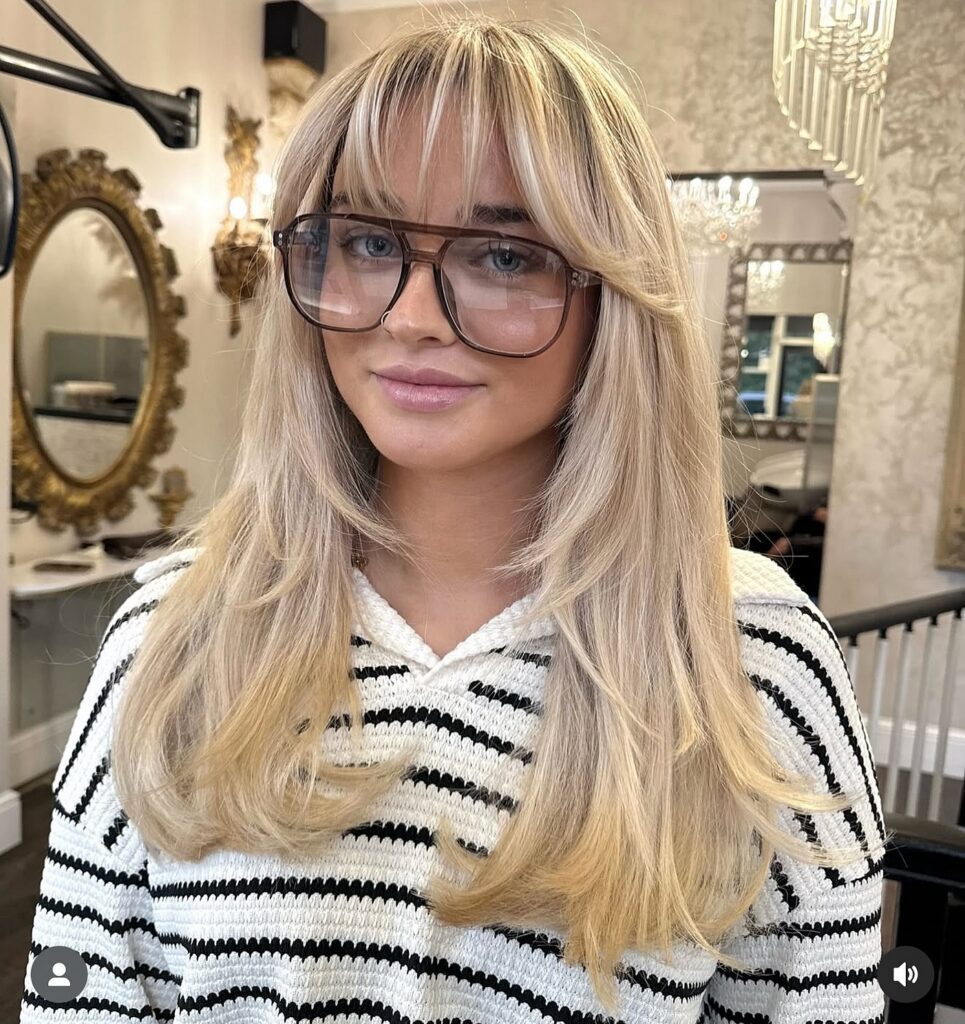
If you’ve got an oval face, congratulations – you can pull off nearly any fringe style, from micro to blunt. Choose based on your hair texture and how much time you want to spend styling. Swapping between looks is easy thanks to your natural proportions (some people have all the luck).
Square and rectangular faces: softening angles
Soft, textured bangs like curtain or wispy styles break up strong jawlines and brows without losing definition. Steer clear of harsh, blunt lines; lightly layered fringe balances angularity and keeps things feeling fresh.
Heart-shaped face: balancing the forehead
A wider forehead paired with a narrow chin works beautifully with side-swept or curtain bangs. These styles minimise forehead width, direct attention to the eyes, and blend smoothly into the rest of your hair.
Ready to find your perfect fringe? Find a stylist near you on Treatwell
How to style different types of bangs
The right tools make all the difference. Start with the basics: a round or paddle brush and a quality blow-dryer. Heat protectant is non-negotiable (trust us on this one). Refresh your fringe between washes with dry shampoo or a quick mini-wash when oil builds up. Damp styling helps manage cowlicks and frizz for most hair types, though some prefer working with completely dry hair for precision.
Styling U-bangs: the low-effort approach
Lightly mist your U-bangs, then blow-dry downward with a round brush. A touch of volume spray at the roots keeps the shape fresh. They hold their form well and need very little fuss – ideal if you’re not a morning person.
Styling curtain bangs: pro techniques
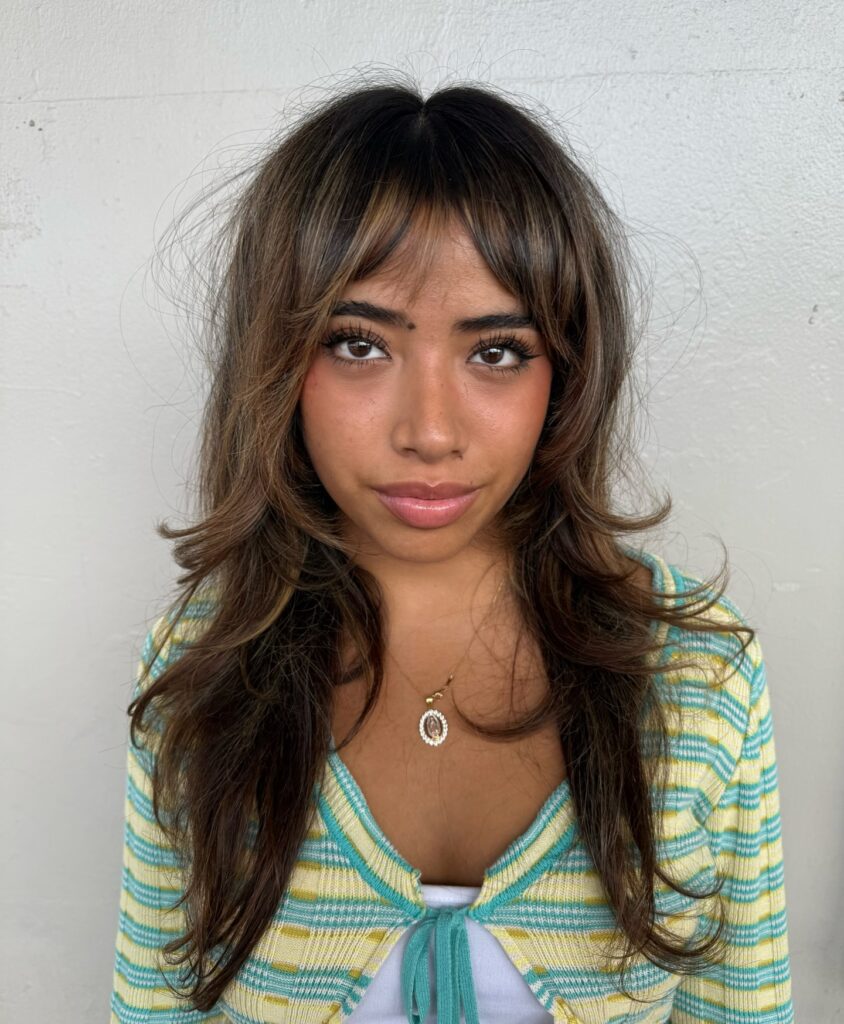
Blow-dry each side away from your face with a round brush on low heat, creating that parted, voluminous swoop. Use a comb for part precision and a flat iron for any stubborn pieces. Work with slightly damp hair: bone-dry bangs won’t hold the shape, but soaking wet ones take an age.
Styling blunt bangs: achieving precision
Use a paddle brush while blow-drying downward for smoothness. Add a light serum for shine, but go easy – heavy products cause greasiness faster than you’d think. Monthly trims keep those edges sharp.
Wet vs. dry styling methods
Wet blow-drying helps reshape stubborn roots, while dry styling tames frizz or refreshes bangs between washes. Always protect your hair from heat damage, and try both approaches to find what suits you.
Bangs for different hair types and textures
Your hair texture fundamentally changes which bangs work best. Straight hair highlights precise cuts, showing every snip and angle. Curly or thick hair needs layering and texturising to prevent the heavy, triangle effect. Fine hair benefits from wispy, fuller-looking fringe that doesn’t fall flat by midday (the eternal struggle). Your stylist will pick tools and products like razors, thinning shears, or volumisers based on your density and texture.
Curly hair bangs: embracing natural texture

Cut curly bangs longer to allow for shrinkage – they often bounce up several centimetres from where they were cut, which can come as a surprise if you’re a first-timer. Use curl-enhancing products and dry with a diffuser for defined shape. Keeping on top of trims maintains form and reduces heaviness. Trust your stylist when they leave extra length; they know what they’re doing.
Fine hair bangs: maximising volume
Wispy or point-cut bangs add fullness and avoid that limp, flat look. Use volumising mousse and protect from heat when styling. Fine strands show shape changes more easily, so a trim every few weeks keeps things looking fresh.
Thick hair bangs: managing density
Thinning and layering prevent bulky fringe from overwhelming your face. Side-swept or curtain bangs distribute weight evenly and keep things manageable. Use lightweight finishing products to keep puffiness in check.
Maintaining your bangs at home
A sharp fringe needs upkeep. Oil from your forehead can make bangs greasy faster than the rest of your hair (annoying, we know) – mini-washes and dry shampoo are your best allies here. A silk pillowcase helps reduce frizz overnight. We’d also recommend keeping a “fringe emergency kit” handy: a fine-tooth comb, mini flat iron, and dry shampoo.
Can you trim your own fringe?
Can you trim your own fringe at home? Technically, yes. But here’s the thing: fringe sits right at the centre of your face, so every millimetre counts. The two most common mistakes people make are cutting too much off in one go and cutting on dry hair without accounting for how it’ll sit once washed. Both tend to end in a panicked Google search for “how to fix bangs cut too short.”
A stylist gets this right because they’ve trimmed hundreds of fringes and can read how your hair falls, where your cowlick sits, and how much shrinkage to expect. It’s the kind of precision that’s genuinely hard to replicate in your bathroom mirror. If your fringe needs a quick reshape, you can find a stylist on Treatwell and book a trim for the same day, the evening, or even the weekend – no need to wait weeks for an appointment.
Trim schedule by bang type
Blunt bangs need attention every 2-3 weeks. Curtain bangs last 4-6 weeks. U-bangs need reshaping every 3-4 weeks. Wispy bangs can stretch to 4-5 weeks. Staying on top of your schedule makes a real difference – and with Treatwell, you can book with a stylist you trust so your fringe never reaches the awkward stage.
Keeping bangs fresh between washes
Dry shampoo at the roots absorbs oil. Lightly mist with water and blow-dry to reshape. Oil-absorbing sheets near the hairline work wonders, and odour-neutralising sprays help if you’re stretching between salon visits.
Best products for styling and maintaining bangs
Choose products that give you movement, volume, and a light, fresh finish. Volumising sprays, lightweight serums, dry shampoo, and heat protectant are your daily essentials.
Apply volume spray at the roots for limper bangs, light-hold hairspray for control, and texturising spray for dimension on wispy or layered styles. Smoothing serum adds shine to blunt or side-swept fringe. Use a round brush for shaping, a mini flat iron for detail work, and velcro rollers to set volume while you get ready. If you’re not sure which products suit your hair, your stylist can point you in the right direction at your next appointment.
Bangs trends and celebrity inspiration
Current trends feature layered, piece-y, and vintage-inspired styles. U-bangs remain popular for their versatility, and influence from social media and celebrity looks can help you and your stylist narrow down what suits your features. Headbands, glasses, and updos add extra variety too.

Celebrities like Dakota Johnson and Zooey Deschanel have made Birkin and blunt styles iconic. Bring multiple photos to your appointment for guidance – a good hairdresser will adjust a celebrity look to suit your features and hair type. Short videos on TikTok and Instagram have popularised DIY tutorials for see-through, micro, and curly bangs, but we’d recommend getting your first cut done by a professional. The initial shape is everything, and once that’s right, maintenance is much simpler.
How to grow out bangs gracefully
Growing out bangs takes patience – there’s no getting around it. But smart styling makes the awkward in-between phase much more manageable. Layered cuts, headbands, clips, and braids disguise those moments when your fringe is too long to style properly but too short to tuck behind your ears (the fringe no-man’s-land, if you will).
Here’s a rough timeline: in weeks 1-4, side-sweep or maintain as usual. Weeks 5-8, let the sides lengthen and trim the centre if needed. Weeks 9-12, transition into a curtain bang phase. By months 4-6, you can integrate bangs with your layers and trim sparingly.
Every grow-out is different, which is why a good stylist is your best ally here. They can shape each stage so it looks intentional rather than neglected, and switch it up if you change your mind halfway through.
The occasional trim makes all the difference between a grow-out that looks considered and one that just looks forgotten. Book a shape-up on Treatwell and your stylist will know exactly what to do with it.
Common bang mistakes and how to fix them
Fringe can go wrong if cut too short, too thick, or unevenly – but most mishaps are fixable, so don’t panic. Clear communication with your hairdresser is key: bring references and ask questions before they pick up the scissors. Overuse of products leads to greasiness, which is often mistaken for a bad cut when it’s really a product problem (less is more, especially with fringe).
If your bangs end up too short, use accessories to disguise them while they grow. For uneven cuts, see a professional immediately – attempting to fix it yourself usually makes things worse. Thinning shears can reduce density, but should be used carefully. A part change or a braid can also help in a pinch.
The best advice? Start long, then shorten gradually. Use clip-in bangs for a trial run before you commit. Monitor humidity and dryness, and adjust your products as the seasons change.
| Bang type | Best face shapes | Maintenance level | Hair types | Grow-out difficulty | Commitment level |
| U-bangs | Oval, heart, some round | Moderate | Straight, wavy | Medium | Medium (gradual transitions) |
| Curtain bangs | All face shapes | Relatively low | Most textures | Low | Low (easy grow-out) |
| Blunt bangs | Oval, long | High | Thick, straight | High | High (frequent trims) |
| Side-swept bangs | Round, square, oval | Low to moderate | Fine, medium, thick | Low | Medium (soft transition) |
| Wispy bangs | Oval, heart, square | Low | Fine, medium | Low | Low |
| Micro bangs | Oval, oblong | High | Straight, slightly wavy | High | High (bold statement) |
| See-through bangs | Oval, heart, diamond | Low to moderate | Fine, medium | Low | Medium |
| Birkin bangs | Oval, heart, longer foreheads | Moderate | Medium, slightly thick | Medium | Medium |
Ready to find your perfect fringe?
Whether you’re going for a soft curtain bang or a bold micro fringe, the right cut starts with the right hairdresser. Browse salons near you on Treatwell, read reviews, compare prices, and book your fringe appointment for whenever suits you – today, this evening, or the weekend. Your perfect fringe is just a booking away. So what are you waiting for?
FAQs
What are bangs and what can they offer in terms of appearance?
Bangs are sections of hair cut to frame your forehead that instantly change your look and draw attention to your best features. Think of them as a mini makeover without the full commitment.
Can U-bangs work with any hair type?
Yes. Curly hair may need to be cut longer to account for shrinkage, and thick hair often benefits from thinning, but U-bangs are remarkably versatile across the board.
What are the best products to style U-bangs?
Lightweight volumisers, root-lifting sprays, and soft-hold hairsprays are your go-tos. Always use heat protectant when blow-drying.
Should I get bangs if I have curly hair?
Absolutely – just make sure they’re cut longer to allow for shrinkage and shaped with layers. Curl-defining products will do wonders for styling. A hairdresser experienced with curly hair can make all the difference here.
How often should I wash my bangs?
As often as they get oily, usually daily or every other day. Dry shampoo is brilliant for stretching time between washes.
Can I get bangs with a cowlick?
Yes. A skilled hairdresser can adjust the cut for cowlicks, and wet-to-dry styling helps bangs lie smoothly even with stubborn growth patterns. Don’t let a cowlick put you off – it’s totally workable.