
You know that person who always looks like they’ve just come from the barber, even on a regular Wednesday? Chances are, they’ve got a taper fade. It’s the kind of cut that makes you look pulled-together without trying too hard. Plus, it works with practically every hair type and grows out without getting messy too quickly.
Whether you’re after something sharp for work or relaxed for the weekend, a taper fade adapts to both. The sides and back shorten gradually, blending from a fuller top down to shorter lengths that hug the nape and temples. No harsh lines, no sudden drops, just a smooth transition that flatters pretty much everyone.
The anatomy of a taper fade
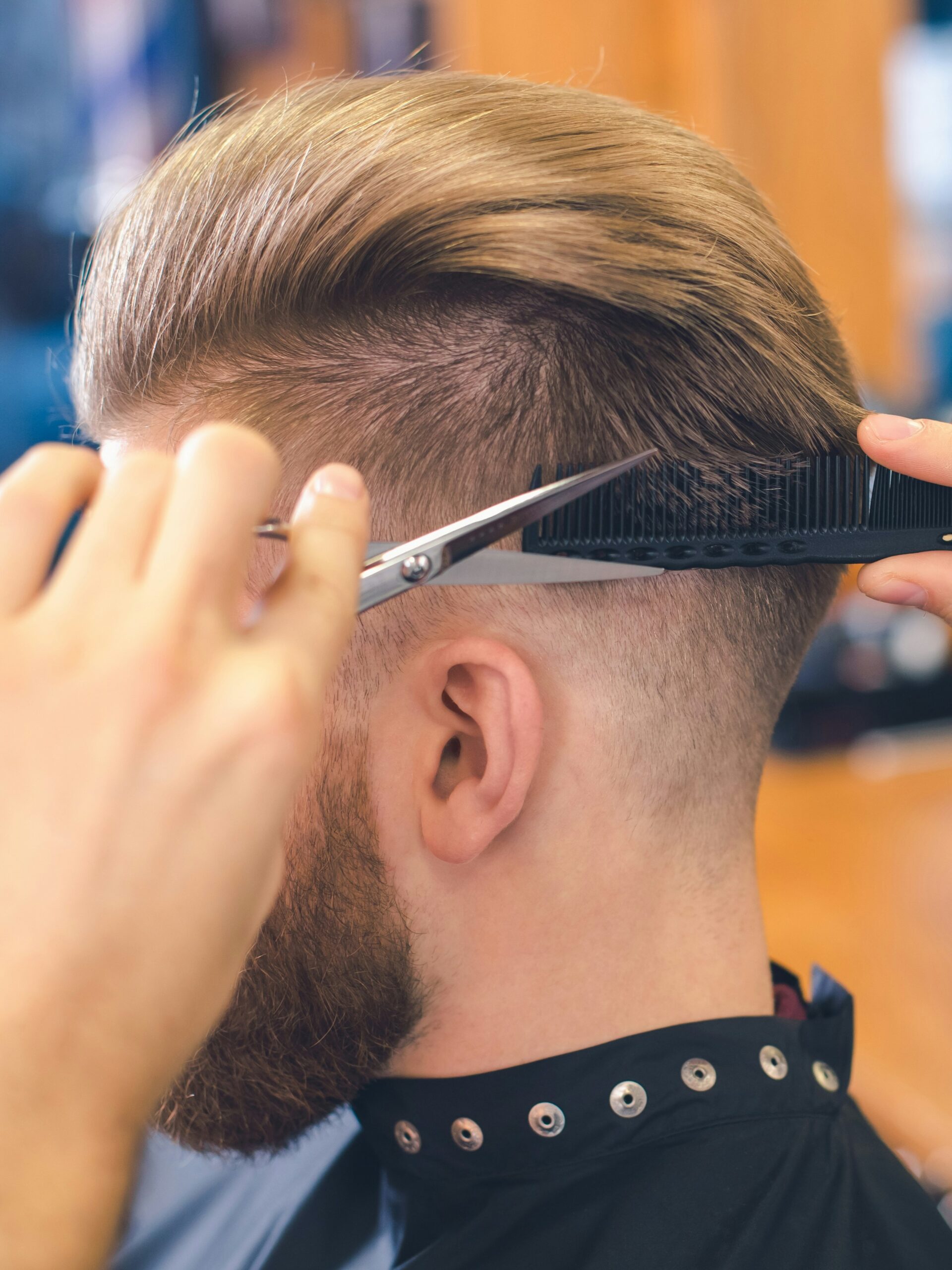
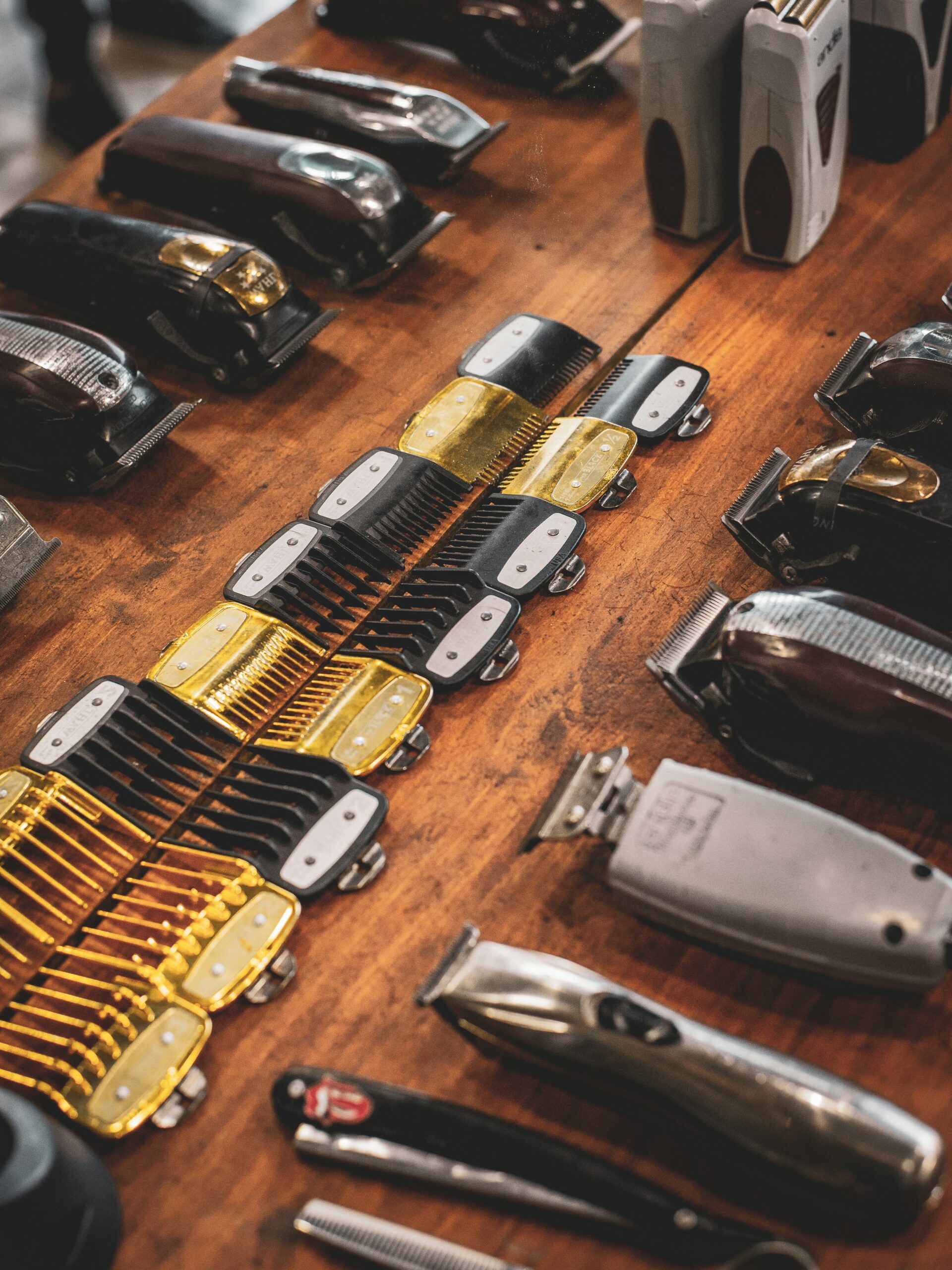
A taper fade starts with moderate length on top, usually between 1 and 3 inches. From there, the sides and back shorten progressively and smoothly, ending with hair closely clipped near the nape and sideburns (not fully shaved, which is the key distinction from a skin fade). Your barber uses adjustable clippers and careful blending techniques to create that smooth transition, often working with three or more guard sizes depending on your hair’s thickness and where the fade sits. The whole process typically takes 20 to 30 minutes.

Who should get a taper fade?
Everyone, frankly. The taper fade suits all hair types and most face shapes. It accentuates your features, creates symmetry and works whether you’re in a boardroom or at brunch. Thick, coarse hair? Fine, straight strands? The taper fade adapts to whatever you’ve got (we promise, it’s one of those truly universal cuts).
Taper fade vs regular fade: key differences
A regular fade cuts the sides and back all the way down to the skin, creating high contrast. A taper fade keeps more length at the hairline and sideburns, giving you a softer blend that never quite reaches bare scalp. If you’re after something subtle that grows out well rather than looking unkempt within a week, the taper fade is your friend.
Show your barber a reference photo when you book in. The difference between “a bit shorter on the sides” and “take it right down” is significant, and a picture removes any guesswork.
When to choose a taper fade over a regular fade
A taper fade is the better choice if you want a polished, versatile style that doesn’t demand fortnightly upkeep. It’s ideal for conservative workplaces, first-time fades or anyone who prefers their haircut to look intentional even as it grows out. The balanced regrowth means you can comfortably stretch up to four weeks between trims.
When a regular fade might be better
Go for a regular fade if you want bold contrast or love experimenting with shaved designs on the sides. It’s a statement cut, though, so be prepared for more frequent visits to the barber to keep those clean lines sharp.
Types of taper fades: low, mid, and high variations
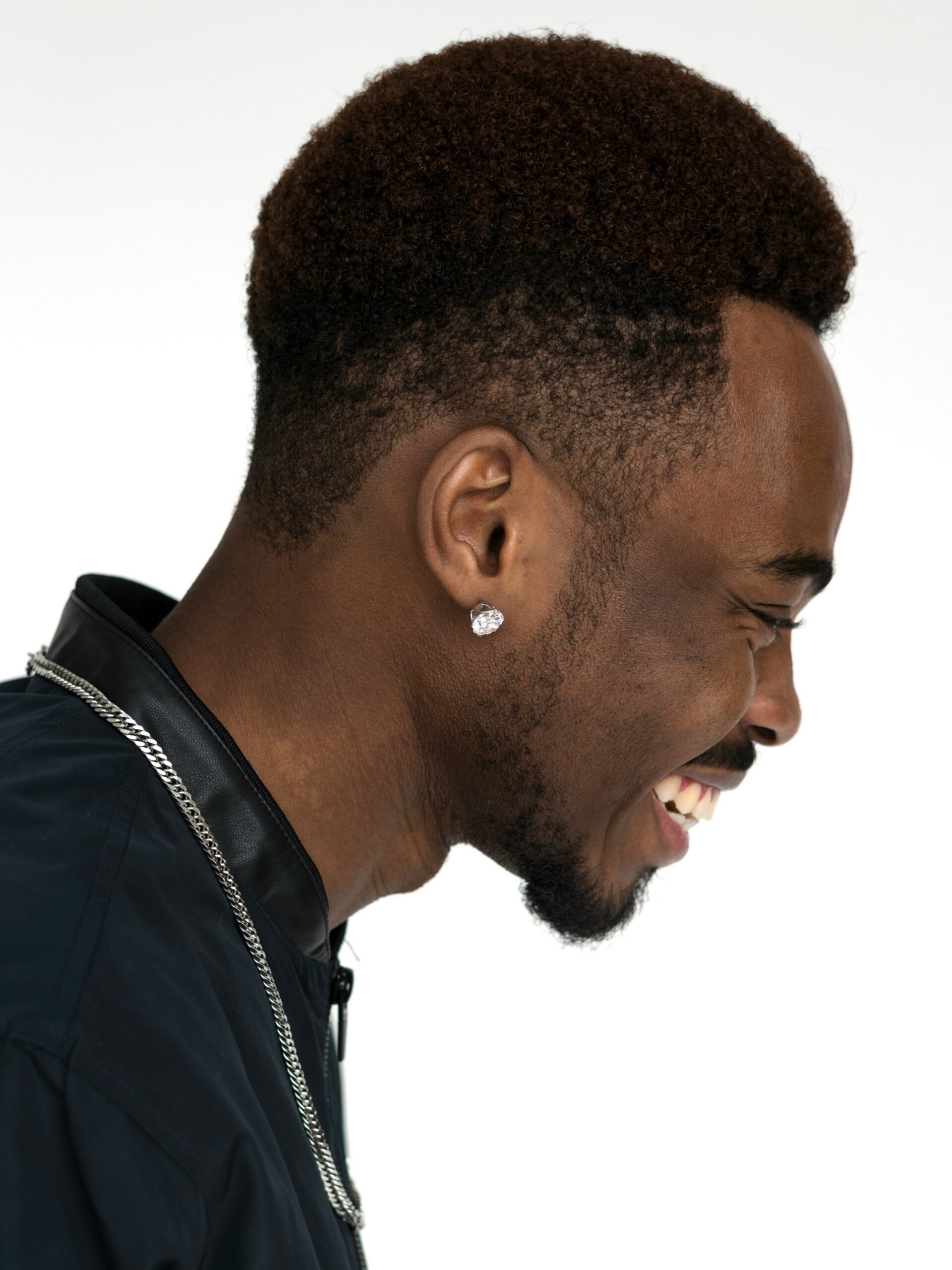
For a taper fade you’ve got three main options, each with a different vibe. Low tapers start at the nape and sideburns for something subtle. Mid tapers begin around the temples for a noticeable but still professional contrast. High tapers start above the temples for a striking, head-turning look. You could also explore drop fades (which curve down behind the ear) and skin tapers (which go closer to the skin than traditional tapers). In short, it’s a highly customisable cut.
Low taper fade: the classic choice
The most understated option is a low taper. Starting just above the sideburns and nape, this cut offers a conservative look that blends so naturally with your hairline that people might not even notice you’ve had a trim. They’ll just think you always look that well-groomed (and you can let them keep thinking that). A low taper grows out evenly and works particularly well in professional environments.
Mid taper fade: the versatile middle ground
If you want a noticeable contrast that is still workplace appropriate, then go for a mid taper. This cut begins at temple level and is the sweet spot for most people. Enough definition to look intentional and stylish, enough subtlety to avoid raising eyebrows in a client meeting.
High taper fade: bold and dramatic
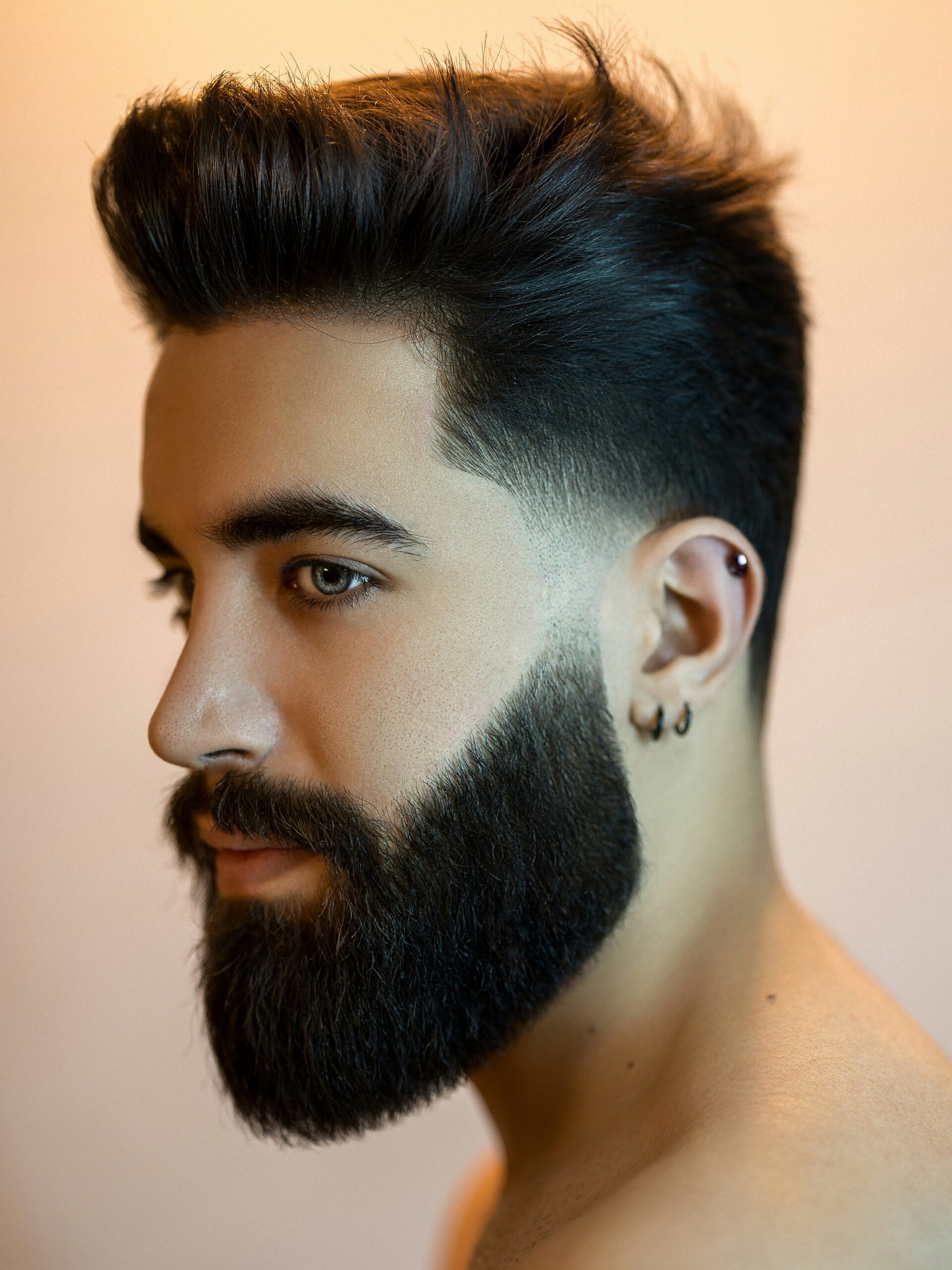
Starting above the temples, a high taper makes the transition from long hair to short hair impossible to miss. This cut pairs brilliantly with textured tops, pompadours or quiffs, but it does need more frequent upkeep to maintain that sharp contrast. If you love a fresh cut and don’t mind regular appointments, a high taper makes a serious style statement.
Book your taper fade on Treatwell
How to choose the right taper fade for your face shape
Face shape plays a big role in how a taper fade frames your features. Round faces benefit from high tapers that add vertical lines and create the illusion of length. Oval faces suit any variation (lucky you). Square faces often look best with low or mid tapers to soften angular jaws, whilst oblong shapes look more balanced with lower tapers and fuller sides that don’t elongate the face further.
Face shape identification guide
Not sure which face shape you are? Take a straight-on selfie in good light and check your angles. Round faces are nearly as wide as they are long with soft curves. Oval faces are longer than they are wide with gently rounded angles. Square faces have angular jaws and similar forehead, cheekbone and jaw measurements. Oblong faces have similar angles to square faces, but with long straight cheeks.
Taper fade recommendations by face shape
High tapers elongate round faces by drawing the eye upward. Oval faces can experiment freely with any variation. Low or mid tapers soften the strong angles of square jaws without overemphasising the jawline. Oblong faces should stick with lower tapers and leave some fullness on the sides. Whatever your face shape, styling the top to complement your fade’s height will create a better balance overall.
Can you do a taper fade at home?
You could try. But here’s the thing: a taper fade lives or dies in the blend, and that blend relies on angles you physically cannot see on your own head. Most DIY attempts end with patchy transitions, uneven lines or accidentally cutting into the top section. Even with two mirrors and a steady hand, replicating the clipper-over-comb technique and adjustable lever work that creates a seamless gradient is seriously tricky.
A skilled barber reads your hair’s growth patterns, adjusts for thickness, and blends by feel and instinct honed over thousands of cuts. The difference between a DIY fade and a professional one is visible from across the room (and not in a good way). Save yourself the stress, and save the clippers for neckline tidying between appointments.
Find a barber near you on Treatwell
Taper fade maintenance: how often to refresh your cut
Taper fades need less frequent trims than skin fades because they don’t go down to bare scalp, but regular refreshes keep the lines sharp and the blend seamless. Most professionals recommend touch-ups every two to three weeks, though this varies based on fade height and how quickly your hair grows.
Maintenance schedule by fade type
Low tapers can typically go 3 to 4 weeks before the blend becomes noticeably blurred. Mid tapers look best with trims every 2 to 3 weeks to maintain that balanced contrast. High tapers need the most frequent attention, often every 2 weeks if you’re particular about keeping those sharp lines. How fast your hair grows, and how much you want to embrace the grown-out look, will impact these timelines.
Keeping it fresh between appointments
A quick neckline and sideburn tidy-up at home can buy you an extra week between appointments. Clear away any stray hairs around the edges, use a clarifying shampoo weekly to prevent product buildup, and keep your hair in good condition with a light conditioner. Healthy hair holds its shape longer and styles more easily. It just makes sense.
Taper fade customisation: pairing with other hairstyles
One of the best things about a taper fade? It plays well with pretty much every top style. Buzz cuts, textured crops, pompadours, slick backs, curly tops – take your pick. You can also add geometric lines, a hard part, or creative shaved designs for extra personalisation. Remember to bring reference photos to your appointment and your barber can talk you through what works with your hair type and face shape.
Classic combinations
Timeless pairings with a taper fade include pompadours for a vintage-inspired look, comb overs for sophisticated styling, and slick backs for formal occasions. Add a side part or extra volume on top and you can tweak these classic frameworks to make them your own.
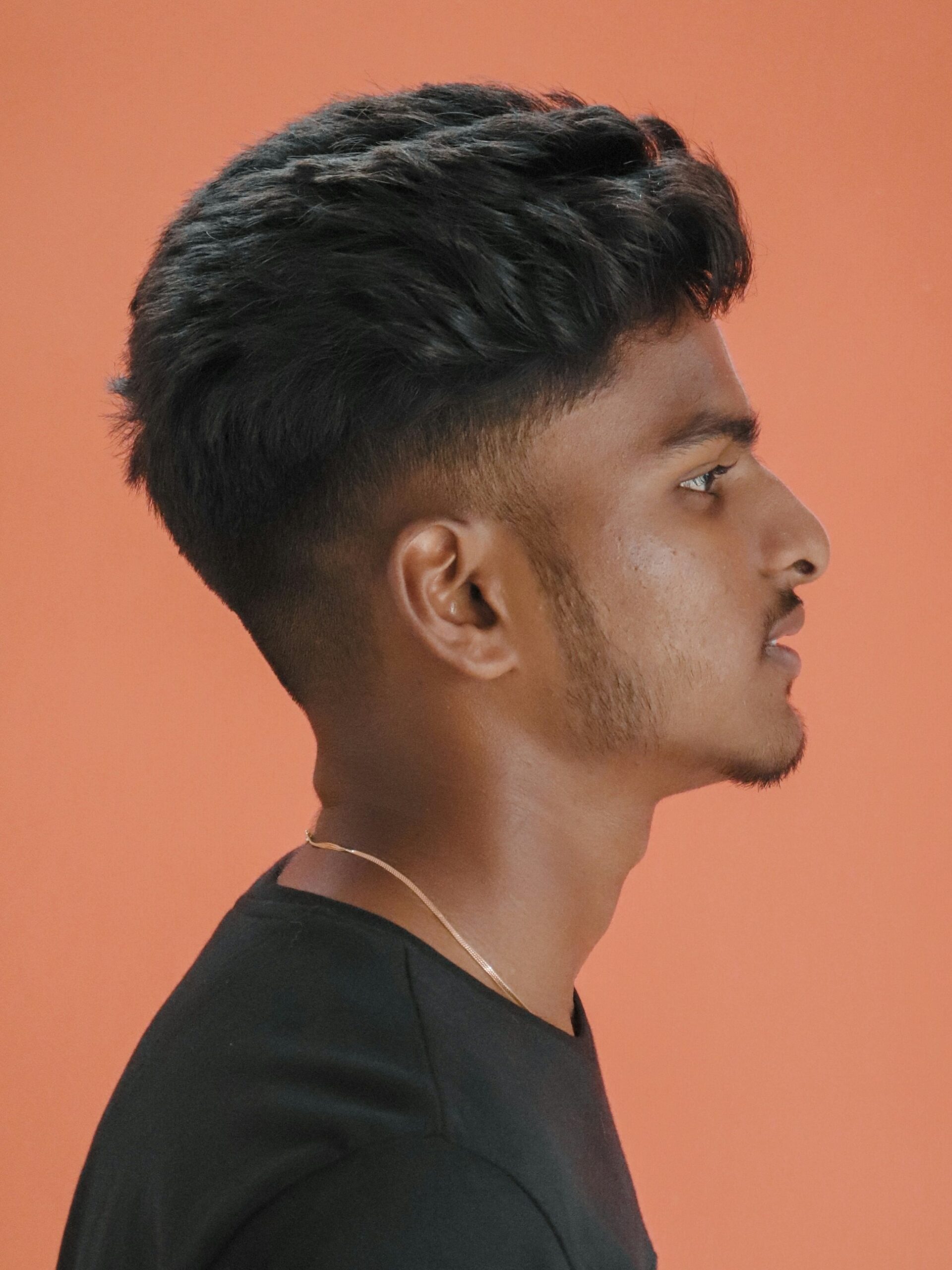
Modern and trendy pairings
Textured crops or deliberately messy tops create a casual, contemporary vibe. Curly or wavy hair can really shine when you leave extra length on top. The taper fade keeps things tidy whilst your natural texture takes centre stage. Bolder combinations like Edgar cuts (blunt front fringe with a high fade) or dreadlocks with a tapered base offer pure street-style appeal.
Adding design elements
Shaved lines through the fade, a hard part carved into the hair, geometric patterns or extending the taper into a beard fade all personalise your look beyond the standard cut. Just keep in mind: the more intricate the design, the more frequently you’ll need appointments to keep it looking sharp.
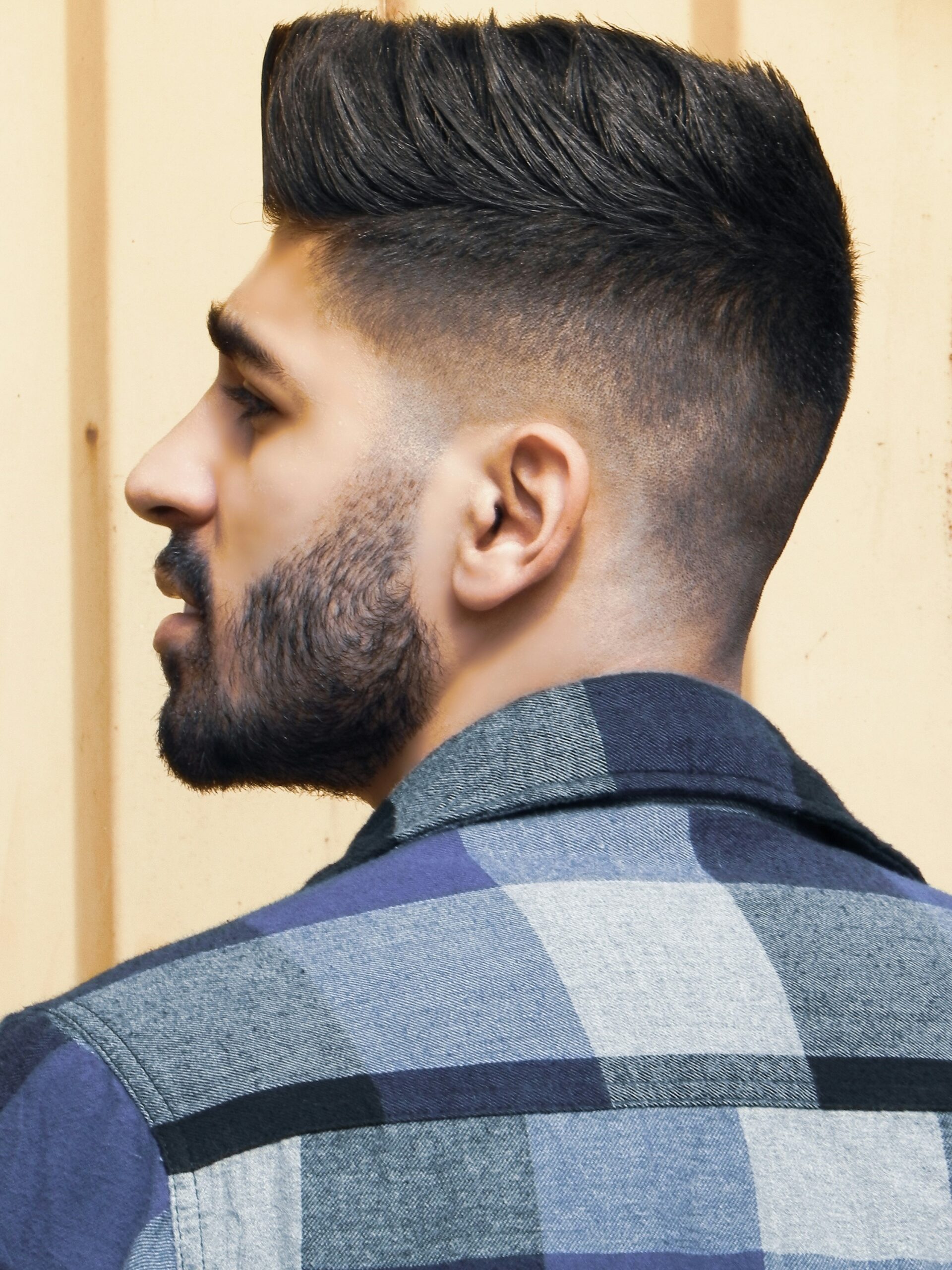
Why the taper fade remains the most popular men’s haircut
The taper fade has outlasted countless hair trends because of its remarkable adaptability. It transitions from conservative work settings to stylish weekend hangouts with just a change in how you style the top. Its ability to frame your features whilst working with virtually any hair type keeps the taper fade in demand. A cut that looks sharp on a Monday morning and relaxed on a Saturday afternoon? No wonder it’s not going anywhere.
Taper fade tips for different hair types and textures
Straight hair handles taper fades most predictably, but curly, thick or fine hair simply needs a few adjustments. If you’re working with a prominent feature like a receding hairline or a cowlick, a lower fade can fit better with your natural hair patterns.
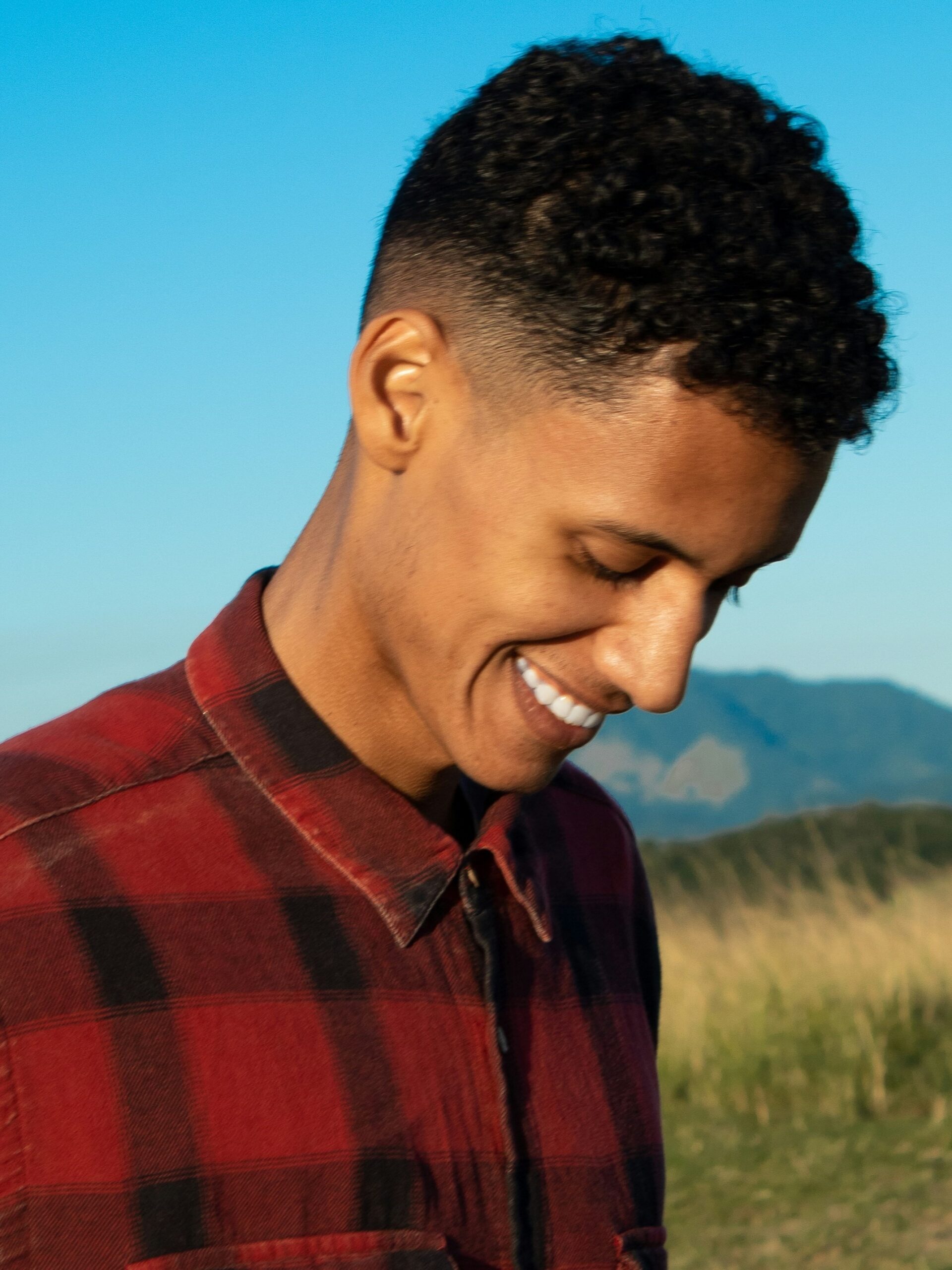
Curly and textured hair considerations
Curly hair needs slightly longer guard sizes because curls shrink up after cutting, sometimes dramatically. What looks like a #2 guard length when stretched might spring back to something much shorter (curly-haired folk, you know the drill). Detailed blending with clipper-over-comb techniques and curl-enhancing products can highlight your natural texture whilst maintaining a sharp fade. Leave the top significantly longer to balance the tapered sides.
Straight and fine hair adjustments
Keep the top longer and taper the sides very gradually to prevent the scalp from showing through, which happens more easily with fine hair. Precision in blending becomes even more critical because every inconsistency is more visible. Regular neckline trims and strategic layering on top help create the illusion of fullness and make the most of your taper fade.
Book your taper fade on Treatwell
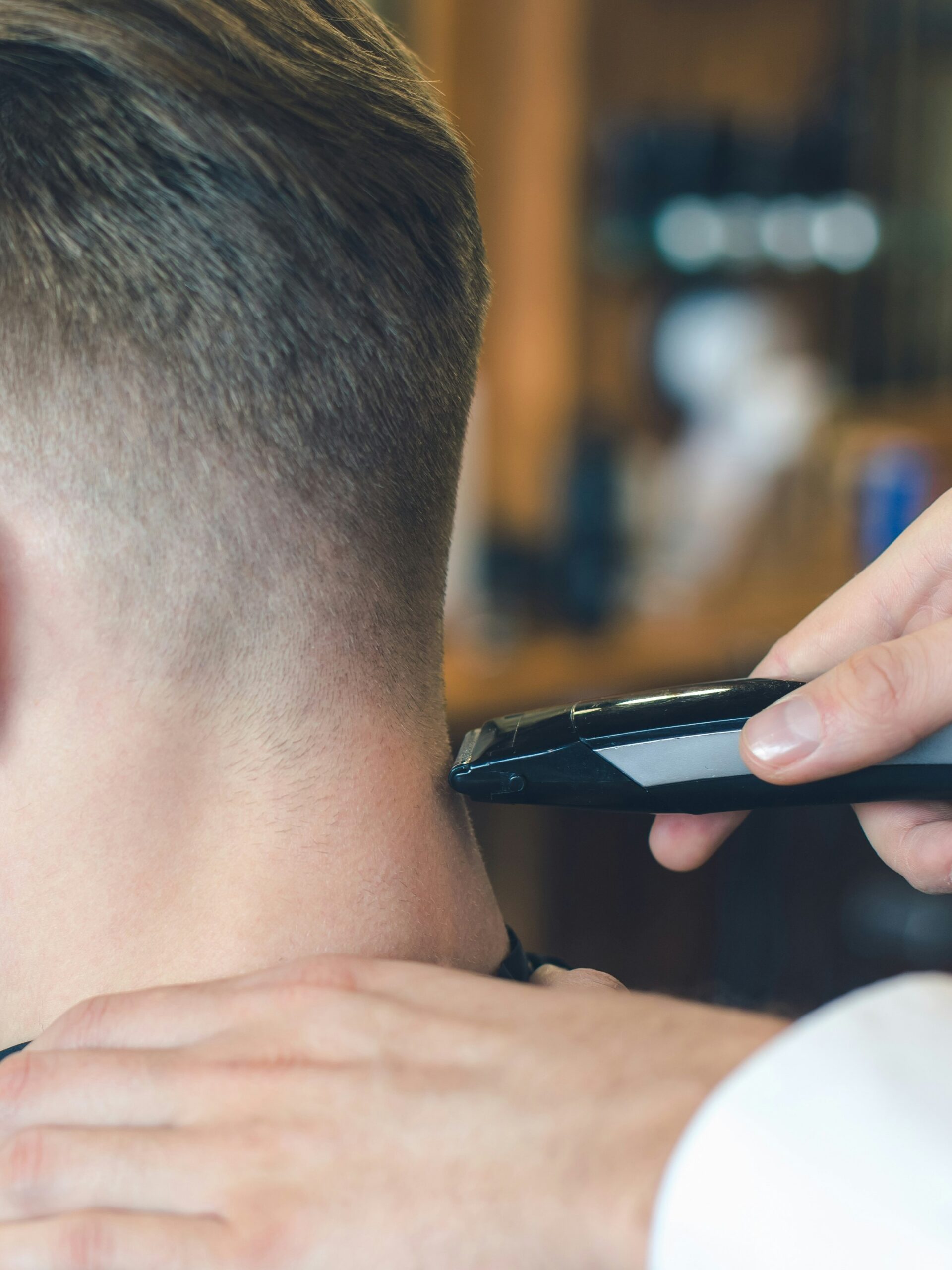
| Feature | Low taper fade | Mid taper fade | High taper fade |
|---|---|---|---|
| Starting point | Just above the nape and sideburns | Around temple level, moderate transition | Above the temples, bold and highly visible fade |
| Contrast level | Subtle, gentle blend | Balanced, noticeable contrast | High contrast, dramatic look |
| Best for | Conservative, professional settings or first-time fades | Those wanting a versatile, adaptable style | Individuals seeking a striking, edgy appearance |
| Maintenance frequency | 3–4 weeks before noticeable regrowth | 2–3 weeks for a crisp look | About every 2 weeks for sharp definition |
| Professional appropriateness | Very office-friendly | Generally suitable for most workplaces | Depends on workplace style norms |
| Face shapes | Complements square or distinct jawlines without overemphasis | Works for most shapes due to moderate fade height | Ideal for round faces needing elongation or statement looks |
| Grow-out period | Longer time before lines become blurred | Fade remains visible yet soft as hair grows | Quick regrowth makes contrast lines more obvious |
Now you know your low taper fade from your high taper fade, and which one suits your face shape, hair type and lifestyle. The right barber will have it done in under 30 minutes, and you’ll walk out looking like the best version of yourself. Browse barbers near you on Treatwell, read reviews, compare prices, and book for whenever suits you.
Find a barber near you on Treatwell
FAQs
Taper fades keep more length on the sides and don't go down to skin, whilst regular fades cut all the way down to bare scalp for maximum contrast.
Every 2–3 weeks for most taper fades, though low tapers can stretch to 4 weeks.
High tapers work brilliantly for round faces because the vertical lines create length and balance out the width.
Absolutely. Make sure your barber leaves enough length to account for curl shrinkage, and the contrast can actually make your natural texture look even better.
It gradually softens into a more natural look rather than developing harsh lines, which is why it's popular for people who prefer longer stretches between appointments.