
You’ve seen it on your Instagram feed, on K-pop idols and probably on at least one person at your local. Yes, the mullet is back – and this time, it’s not a punchline. Whether you’re after nostalgic vibes or want to make a fresh statement, this iconic cut has evolved into a surprisingly versatile option. The question isn’t whether to get one, it’s figuring out which version suits you best.
![[ALT_TEXT: A young woman with a curly white blonde mullet haircut sitting outside on a sunny day.]](https://www.treatwell.co.uk/treatment-files/wp-content/uploads/sites/5/2026/05/1-modern-mullet-feature-image.jpg)
What is a mullet hairstyle?
Short at the front and sides and longer at the back, the mullet hairstyle is definitely distinctive. Point-cutting or layering blends the varying lengths and the back should hit the nape of your neck or longer. The cool kids call it “business in the front, party in the back.” That high-contrast shape is a head-turner, making it a favourite among celebrities, athletes and fashion-forward types. Today, mullets are as likely to be seen on women and non-binary people as on men – this is a truly universal cut.
History and origins: from ancient times to modern revival
Styles resembling mullets date back to Greek, Roman and Indigenous cultures where warriors needed practicality in front and insulation at the back. The modern mullet look surged with 1970s musicians and hit a peak in the 1980s. Rock stars, actors and athletes made it a cultural icon, with bold shapes and voluminous styles dominating stadium concerts and action films. The style had various names until 1994 when hip-hop titans The Beastie Boys coined the term “mullet” in their song Mullet Head.

Through the 1990s and early 2000s the mullet was no longer considered cool, but it never disappeared completely. Then, the mullet revival started in underground fashion circles before exploding through pop culture, K-pop and social media. Most people booking mullet appointments now bring Instagram screenshots rather than retro photos, which tells you everything about where this cut is heading. Today’s mullet cuts blend irony and authenticity in perfect measure, and they’re versatile, too. You can sport a subtle mullet suitable for corporate life or an exaggerated style that stops traffic.
Types of mullet hairstyles: 12 modern variations
There’s a mullet for almost any aesthetic. Here’s how they break down.
The classic mullet keeps things straightforward with clean layers and minimal fuss. The fade mullet is more modern with sides that gradually blend upward, offering low, mid or high fade variations – edgy but polished enough for most settings.
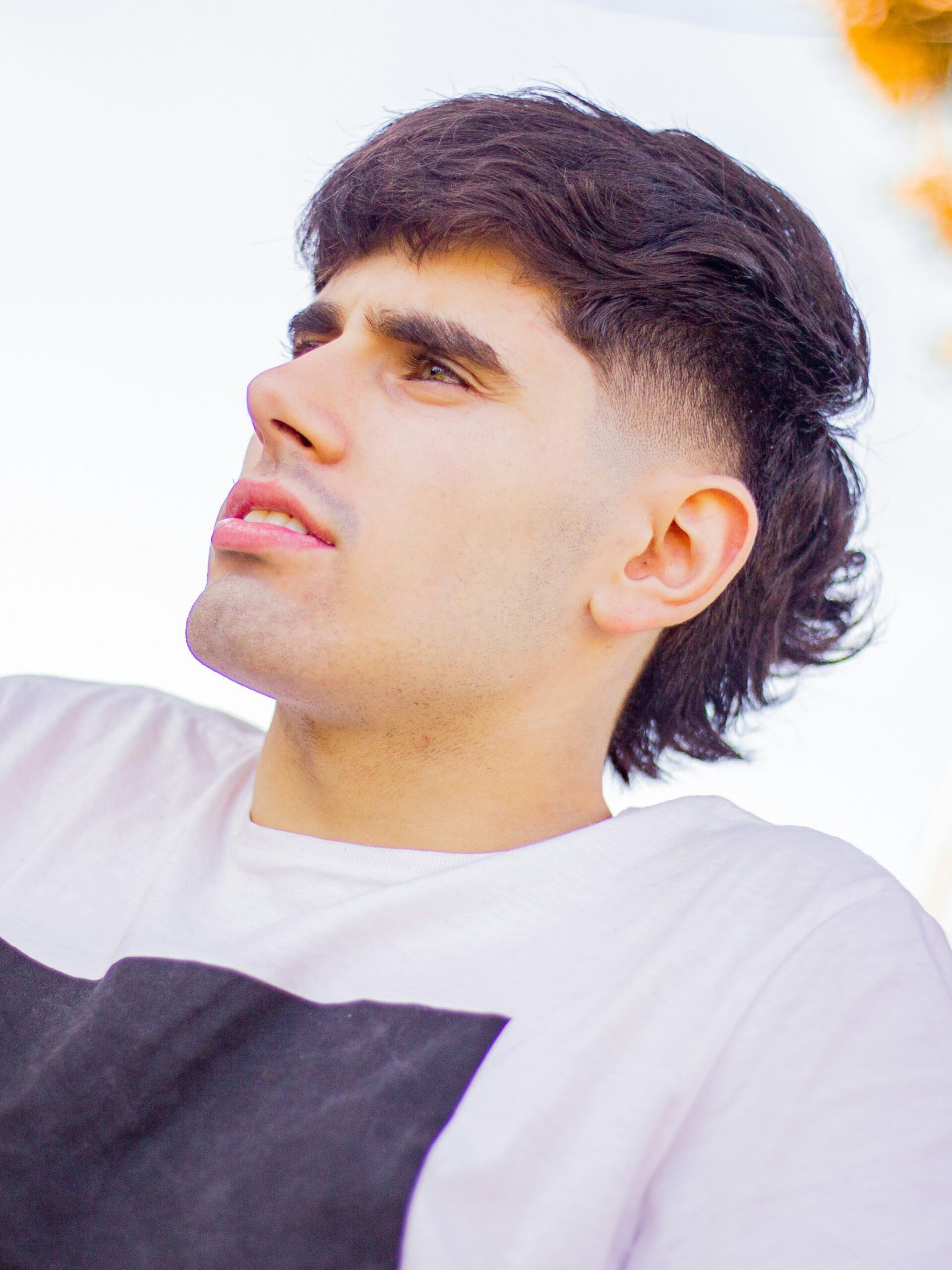
The Korean modern mullet has taken over social media through K-pop idols. Think soft, textured layers with gentle curtain bangs and wispy waves that create movement without harsh lines. It’s the gateway mullet for anyone wanting the silhouette without committing to something too bold.
The layered mullet incorporates shaped bangs, textured sides, pixie-mullet crosses or bold curls that add dimension. It’s become hugely popular across all genders. Miley Cyrus, Troye Sivan and Maisie Williams have all rocked their own versions. Just remember, deep conditioning is essential for the longer back section.

The shaggy mullet leans tousled and dynamic, the spiky mullet uses gel or mousse to create peaks for a punk-inspired look, whilst the wolf cut brings edgy layers and volume throughout and has become a TikTok favourite. It’s the one most likely to make your mum say “what have you done to your hair?”.
Then there’s the deliberately extreme: the rat tail mullet keeps one narrow section at the back dramatically long, the business mullet stays subtle enough for corporate life, and the curly or permed mullet delivers voluminous, retro flair. This variety means there’s a mullet for everyone, though not all will suit your workplace or lifestyle – be honest with yourself on that one.
Can you cut a mullet yourself?
Technically, you can cut your own mullet at home. But here’s the thing: the transition zone where the shorter top meets the longer back is what makes or breaks a mullet, and it sits right at the back of your head where you can’t see it. The most common DIY-haircut disasters are unblended fades, uneven crowns and accidentally taking too much off the back. Not ideal.
A good stylist or barber gets it right because they can see the full shape, understand how your hair grows and blend that critical area with a precision you simply can’t achieve in your bathroom mirror. The fade mullet in particular demands serious skill – it’s the kind of work that looks effortless precisely because it isn’t.
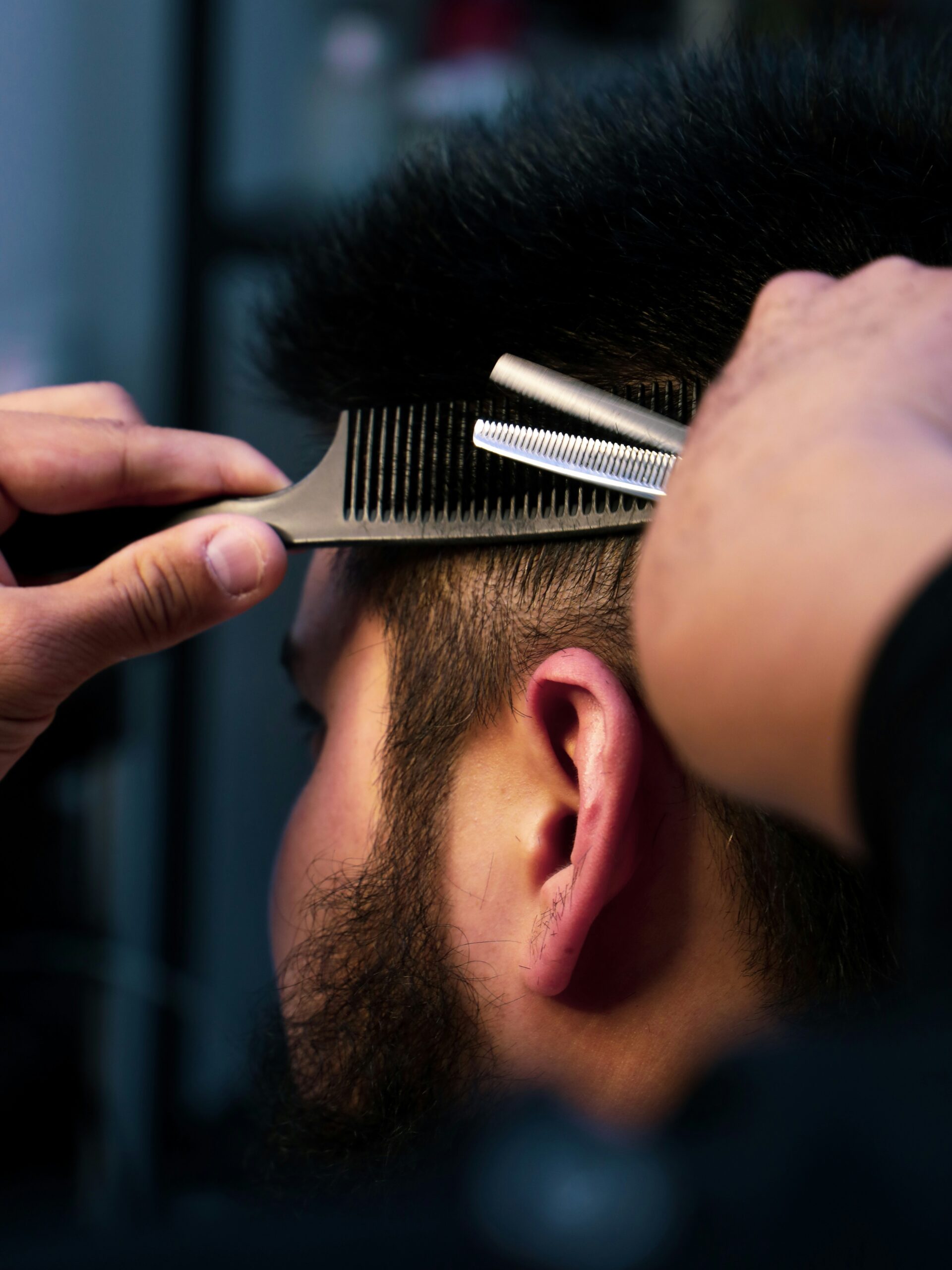
If your mullet’s starting to lose its silhouette, a quick reshape is all it takes. You can book a barber or stylist on Treatwell for the same day or evening. A much better idea than going it alone.
Book a barber or stylist on Treatwell
How to choose the right mullet for your face shape
Face shape matters with a mullet because the proportions can either balance your features or exaggerate what you’re trying to minimise. Bring reference photos to your appointment and your stylist will suggest what works for your bone structure.
Oval faces suit practically any variation – you’re the lucky ones. Round faces need added height on top and less volume at the sides to create the illusion of length. Square faces look better with softer, layered edges rather than blunt lines that emphasise the jaw. Heart-shaped faces benefit from volume in the back to balance a wider forehead, whilst long or rectangular faces should avoid longer length at the back.
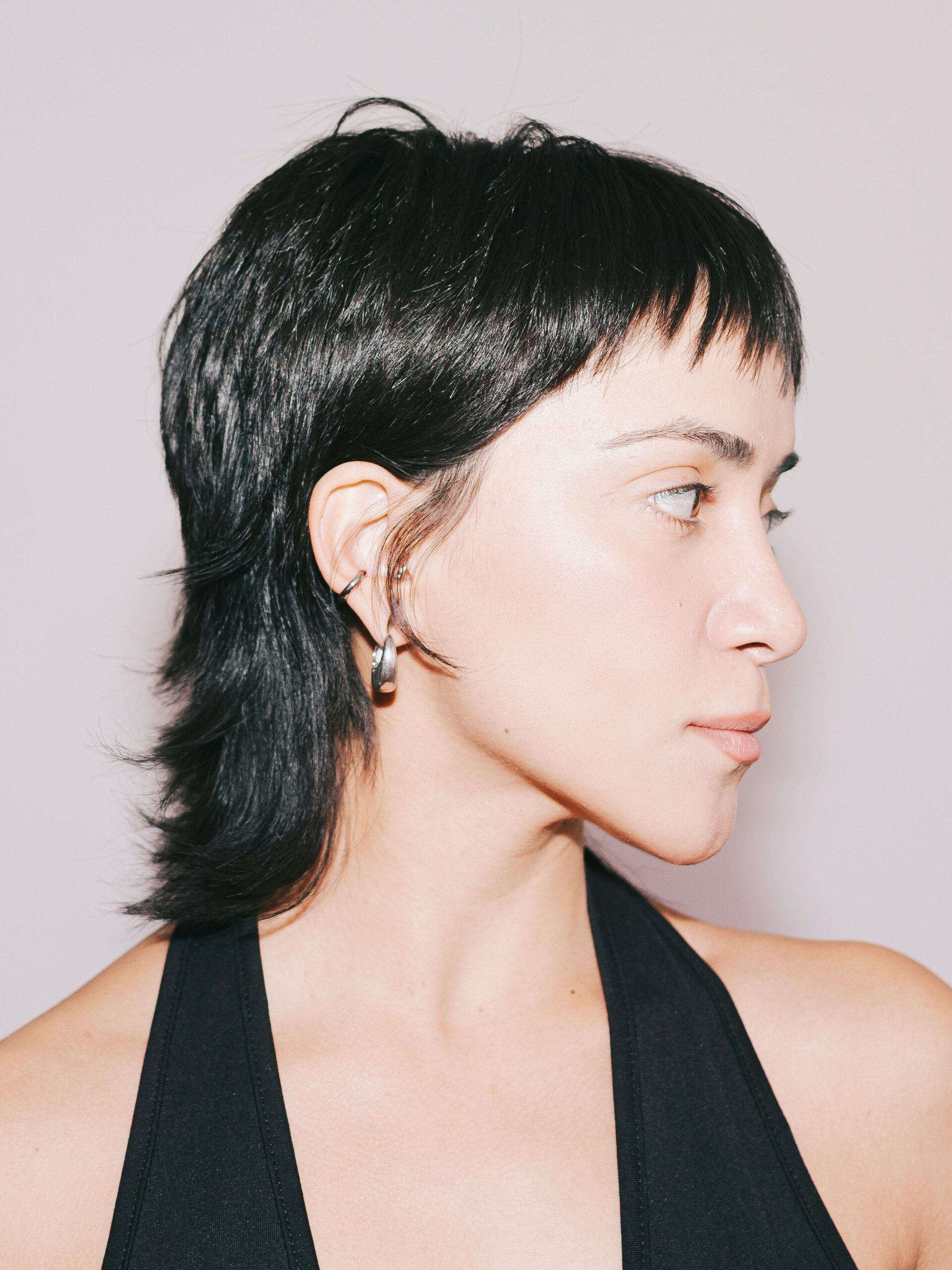
When choosing the right mullet cut for you, consider your hair texture and lifestyle. Fine hair might struggle with a dramatic long mullet that will just hang limp, whilst thick or curly hair simply begs for a voluminous version. If you’re not someone who styles their hair every morning, a high-maintenance spiky mullet is one to avoid.
Length breaks down into three categories: short mullets that meet the nape of the neck stay subtle and professional, medium mullets that sit on the collar hit the classic balanced look, and long mullets that inch down the back make bold statements. Most first-timers start medium and adjust from there. When you’re in the chair, use specific directions to help your stylist or barber deliver exactly what you’re picturing.
Ready to find the right mullet for you? Browse salons and barbers near you on Treatwell
Best styling products for a mullet
The right products for your mullet will define the silhouette rather than weighing it down. Matte pomade or clay delivers a natural finish with flexible hold – essential for daytime wear. Sea salt spray or mousse pump volume into the crown and add texture without stiffness. Texturising powder works brilliantly for fine or thin hair that needs extra grip and body.
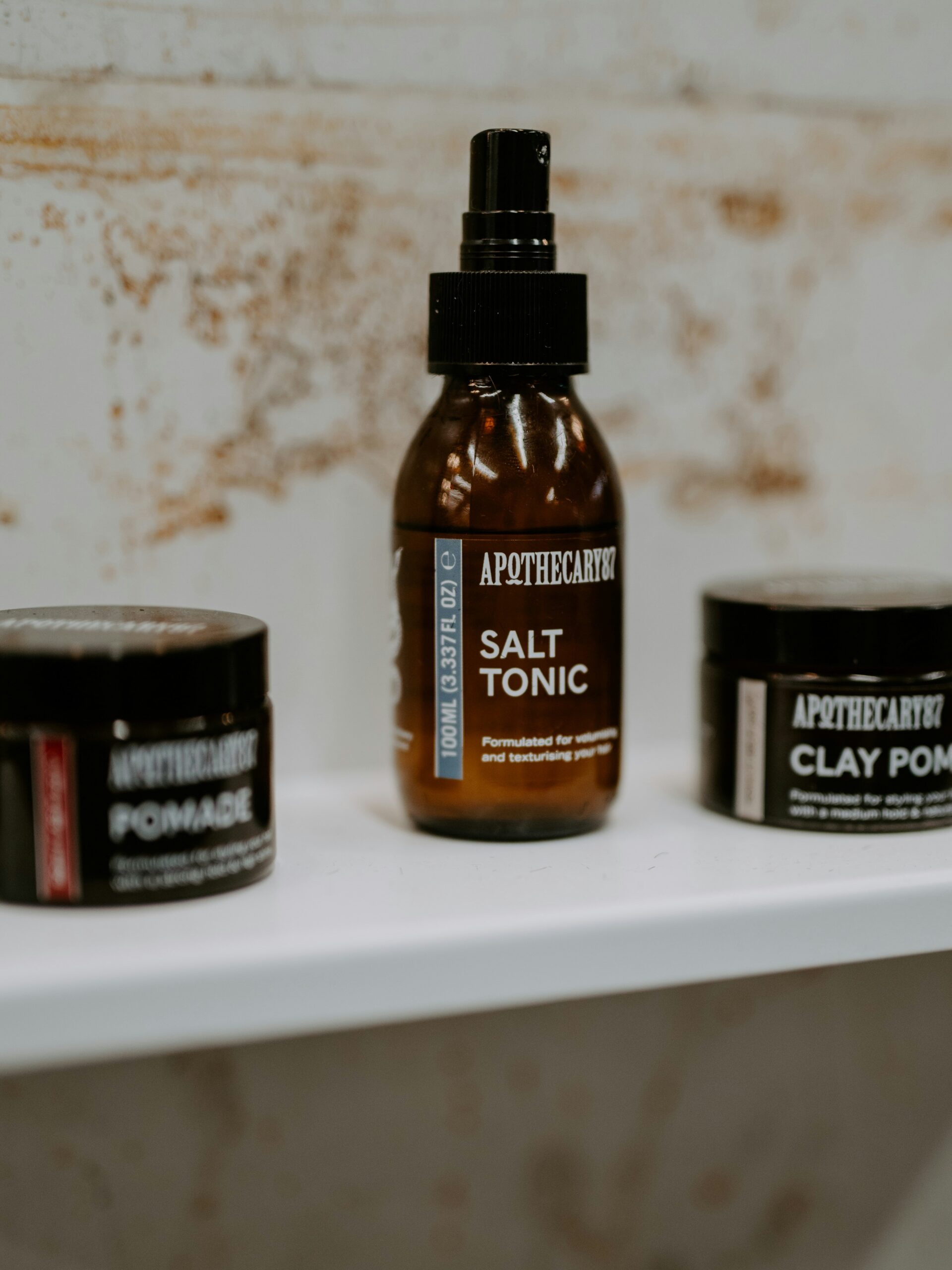
For mullets with longer lengths at the back, smoothing serum controls flyaways and adds subtle shine without greasiness. If you’ve got wavy or curly hair, curl cream paired with diffuser drying preserves definition and prevents frizz. Start with less product than you think you need – overdoing it turns things greasy and flat by midday. Trust us.
Your daily routine for mullet maintenance should involve blow-drying or diffusing the top for volume, styling the back straight or scrunched depending on your look, then finishing with clay or pomade for light hold. Nighttime braiding or pin-curling will help maintain shape between washes, particularly for longer lengths. Finally, if you’re using product daily, then rotate in a clarifying shampoo weekly, otherwise buildup will dull your shine. Not sure which products suit your hair type? Just ask your stylist at your next appointment.
How to maintain a mullet at home
Consistent maintenance separates an intentional mullet from an accidental one. The sides grow fastest and lose shape quickest, so they need a professional cut every 2-3 weeks. The back can stretch to monthly trims focusing on removing split ends rather than sacrificing length. Carefully neaten your neckline and sideburns between salon visits.
Wash 2-3 times per week, rather than daily, and always condition the longer back section, which takes more damage from styling, weather and friction. During awkward grow-out phases you’ll want to accessorise with headbands, clips or bandanas.
A realistic maintenance schedule for your mullet looks something like this: twice-weekly washing and conditioning with moderate product use, fortnightly touch-ups to the sides, monthly back trims, and a quarterly check-in where you decide whether to keep growing, maintain the current length or scale back. This may sound like a real regime, but once you’ve got a routine down with a stylist you trust, it becomes second nature.
Famous celebrities with mullets: icons past and present
David Bowie’s 1970s glam-rock mullets set the stage, followed by Wayne Gretzky’s hockey hair, Patrick Swayze’s action-hero version and Billy Ray Cyrus’s long, flowing style – a staple of the 1990s country-music scene. These weren’t just haircuts, they were cultural statements that defined entire genres and decades.
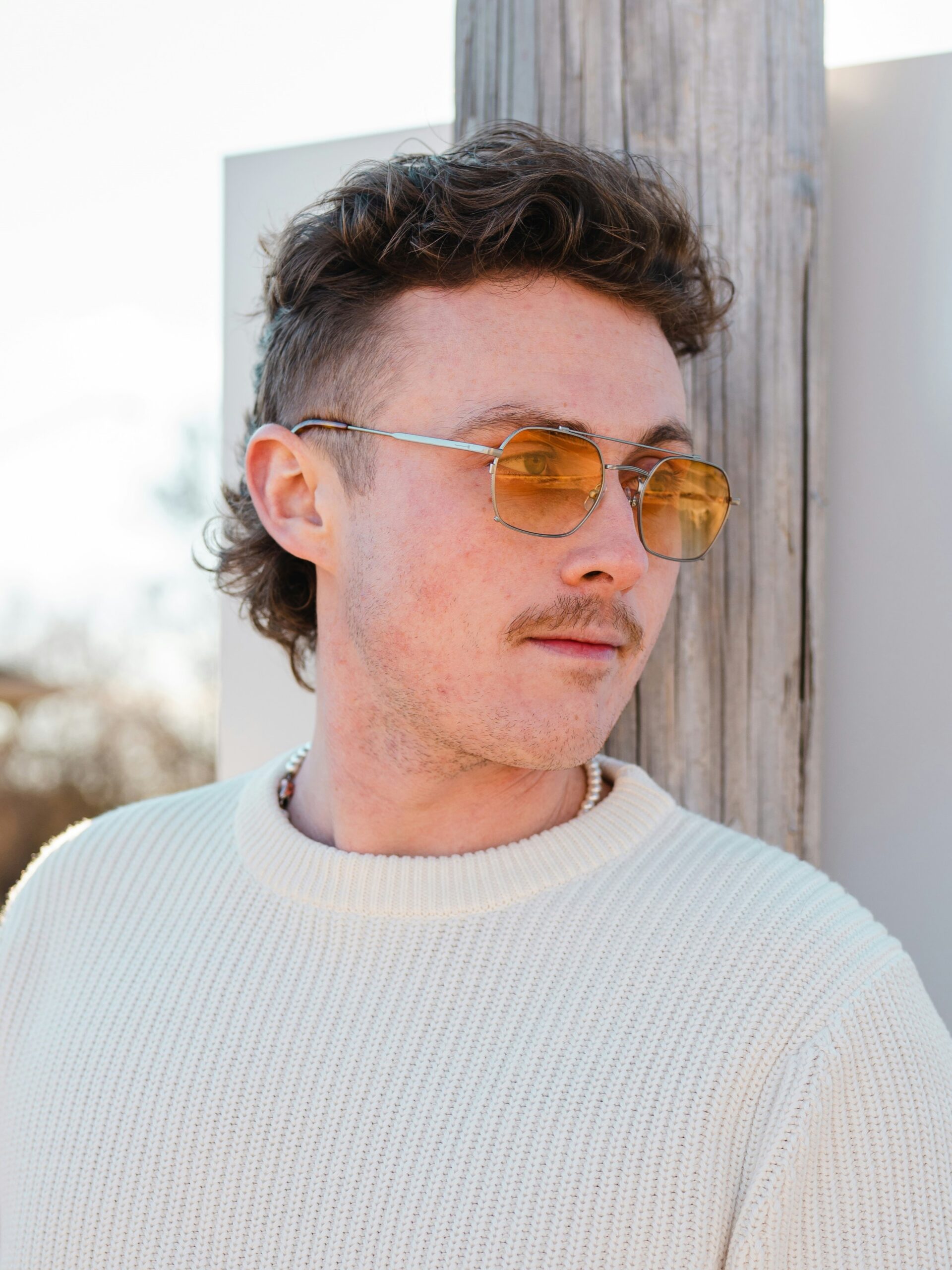
The modern mullet revival is led by Miley Cyrus, Rihanna, Doja Cat and K-pop stars who’ve made the mullet aspirational for a new generation. One look at TikTok and you’ll see dramatic mullet transformations that rack up millions of views. But today, it’s all about customisation. Modern celebrity mullets don’t follow a template, they’re carefully styled to fit individual features and personal brands. Want your own mullet look? Bring multiple photos to your appointment and a good hairdresser will adjust any look to suit your features and hair type.
The mullet in modern subcultures
Mullets have found their place in K-pop, skate culture, punk scenes and high fashion runways, representing rebellion, creativity and a rejection of conventional grooming. Skateboarders like their practical-yet-distinctive vibe, K-pop stylists create impossibly soft layered versions with curtain bangs and controlled volume, and fashion designers send models down catwalks with avant-garde interpretations that push boundaries.

Korean stylists in particular have globalised their take on the mullet, with stars like G-Dragon influencing street fashion from Seoul to London. The look signals being tuned into current trends whilst maintaining enough edge to stand out. Underground music scenes and alternative fashion communities hold mullet competitions and themed events where the mullet is celebrated for its uniqueness and fun.
Is a mullet right for you?
Mullets are bold and expressive – a style for people who really want to make an impression. Wavy and curly hair textures hold a mullet well, creating natural volume and movement. And it’s a style that offers easier maintenance than some cuts once you’ve established a routine.
The thing is, mullets don’t fit every workplace or social setting. Conservative corporate environments, for example, are not mullet-friendly – the business mullet exists for a reason, but it still reads as a mullet. Also good to remember is that the cut needs regular upkeep and there’s a learning curve to styling it properly. For very active lifestyles, shorter versions are more practical.
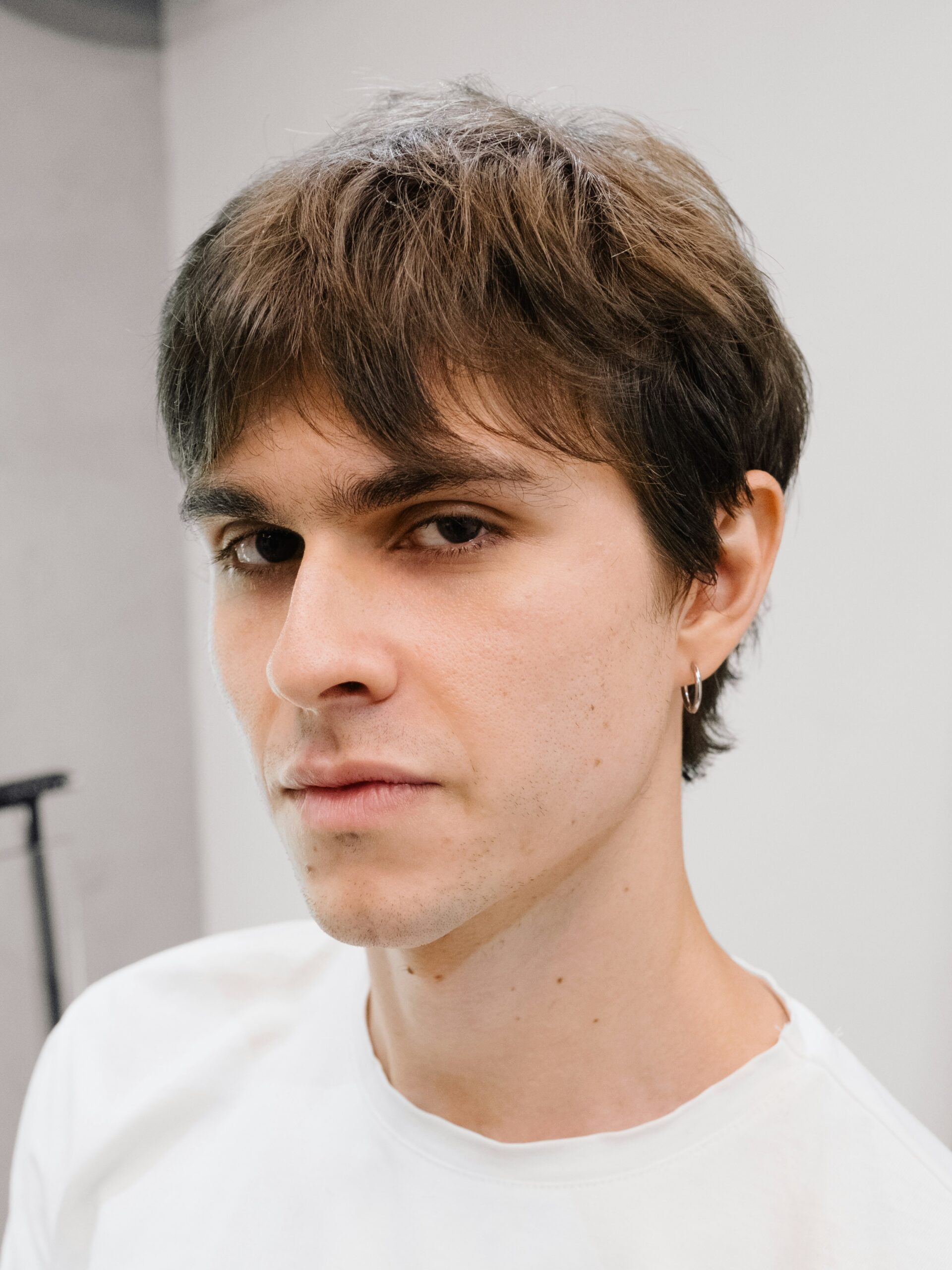
Our advice? Test the look. Start with a moderate version and evolve your style rather than going in extreme. If you have a standard short cut, it could take 3-6 months to achieve a clear shape. Every grow-out is different, which is why a good stylist or barber is your best ally here. They can shape each stage, help you style the awkward in-between phases and pivot the cut if you change your mind halfway through.
| Mullet type | Description | Suitable for | Styling required |
| Classic mullet | Short sides/top, long back | Most face shapes | Minimal |
| Fade mullet | Gradually faded sides, long back | Modern, edgy looks | Fading, blending |
| Korean modern mullet | Layered, soft, curtain bangs | All aesthetics, trendy | Layering, soft waves |
| Layered mullet | Shaped bangs, textured sides/back | Feminine or bold styles | Texturising, curling |
| Curly mullet | Curl-enhanced, voluminous back | Naturally curly/wavy | Curl cream, diffuser |
| Business mullet | Subtle, modest length | Professional settings | Minimal styling |
Ready to rock a mullet?
Whether you’re going full ’80s revival or keeping it subtle with a modern fade, the right cut starts with the right stylist. Browse salons and barbers near you on Treatwell, check out reviews, and book your mullet for whenever suits. What are you waiting for?
Browse salons and barbers near you on Treatwell
FAQs
What is a mullet hairstyle?
Short at the front and sides, long at the back. The contrast is what makes it unmistakable. Today's versions range from barely-there business mullets to dramatic, colour-drenched statement cuts.
What are the different types of mullet hairstyles?
Classic, fade, Korean modern, shaggy, wolf cut, layered, curly, business, and more, each tailored to different aesthetics and hair types.
How do you cut a fade mullet?
The fade needs precise blending from the sides into the longer back. It's one of the trickiest parts of the cut to get right, so your barber or stylist is the best person for this one.
What are the best styling products for a mullet?
Matte pomade or clay for hold, sea salt spray for texture, curl cream for definition if you've got waves or curls. Less is more. Start light and build up.
How often should I trim my mullet?
Sides every 2-3 weeks, back monthly. Neglect the schedule and you'll cross from "intentional style" into "forgot to book a haircut" territory fairly quickly.
Can women wear mullets?
Absolutely. Some of the most iconic modern mullets belong to women – Miley Cyrus, Rihanna and Doja Cat have all made the cut their own. Layered versions with shaped bangs, pixie-mullet crosses, and bold curls are especially popular right now, and every variation in this guide works regardless of gender.
What face shape looks best with a mullet?
Oval faces suit most variations but nearly any shape can work with the right adjustments. Add height for round faces, soften edges for square, balance proportions for heart-shaped or long faces. Your stylist or barber will know what works for you.