

We’re all pretty well-versed on the skincare changes we should make in the winter months – two words: more moisturising, and ‘lip balm’, come to think of it – but do you pay the same amount of attention to your haircare? Much like our skin, our hair needs more moisture during winter. The colder temperatures outdoors and the central heating indoors make the air much dryer which lifts the hair cuticle, letting moisture out more easily and leaving the hair dry and frizzy.
Here are some of the changes you should make to your hair routine during the winter.
-
 1 Shampoo and conditioner
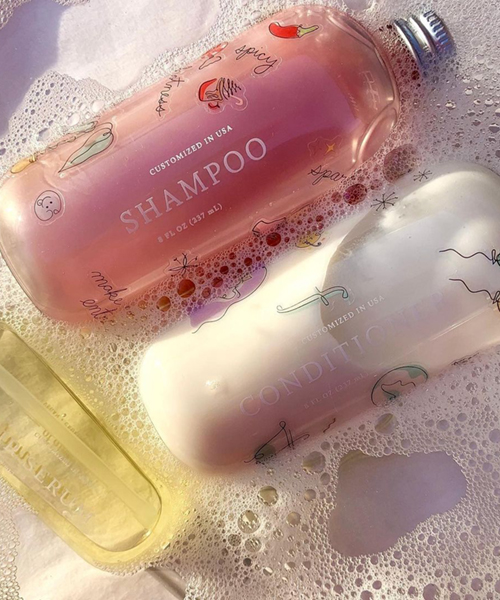
A lot of us are guilty of just picking up any old shampoo and conditioner (whatever is on offer, usually) rather than thinking about what our hair actually needs. Using a moisturising shampoo and conditioner during winter will help to replenish hydration in the hair and prevent frizz. Use a clarifying shampoo once a month to break down any build-up.
-
2 Add a mask
A mask is a great way to target specific hair problems. If your hair is seriously dry and damaged, try a nourishing mask. If you have breakage (bleach blondes, we’re talking about you), alternate between a nourishing mask and a protein bond builder, like Olaplex. How often should you be masking? Once a week is a pretty good rule of thumb.
-
3 Scalp scrub
Honestly, we should all be doing a scalp scrub because it’s so satisfying but especially if you suffer from dandruff. Exfoliating the scalp helps keep it balanced and nourished (a good environment for healthy hair growth). It stimulates circulation, removes dead skin cells and flakes and rids your hair of stubborn product build-up.

FAQs
How should you adjust your shampoo and conditioner routine in winter?
Switch to a moisturising shampoo and conditioner during winter to keep your hair hydrated and help prevent frizz. Dry air from colder temperatures and central heating can otherwise leave hair rough and vulnerable to moisture loss. Use a clarifying shampoo once a month to remove product build-up.
How often should you use a hair mask in winter?
Using a hair mask once a week is a good rule of thumb during winter. A nourishing mask helps improve dry or damaged hair, while those with breakage can alternate between a nourishing mask and a protein bond builder. Consistent masking delivers deeper hydration when your hair needs it most.
What does a scalp scrub do for your hair?
A scalp scrub exfoliates to remove dead skin, flakes, and stubborn product build-up for a balanced scalp. This process stimulates circulation and creates a healthy environment for hair growth. It is especially helpful if you deal with dandruff or dryness in your scalp.
Why does your hair get frizzy in winter?
Frizz is caused by dryer air indoors and outdoors, which lifts the hair cuticle and lets moisture escape. When this happens, hair becomes dry and prone to frizz. Using moisturising products and weekly treatments helps replenish lost hydration and smooth your hair.
Which hair treatments help repair breakage from colouring or bleaching?
Alternating a nourishing mask with a protein bond builder (like Olaplex) addresses breakage if your hair is coloured or bleached. This routine supports hair strength and repairs bonds that are often compromised by chemical treatments. Consistent care can help restore your hair’s resilience.