

We have to admit, the word ‘acid’ doesn’t exactly sound inviting when we’re talking about things to put on our skin but we swear it is. It’s actually somewhat of a hero. From fruit acids to retinol and hyaluronic acid, we’ve broken down what they actually do.
-
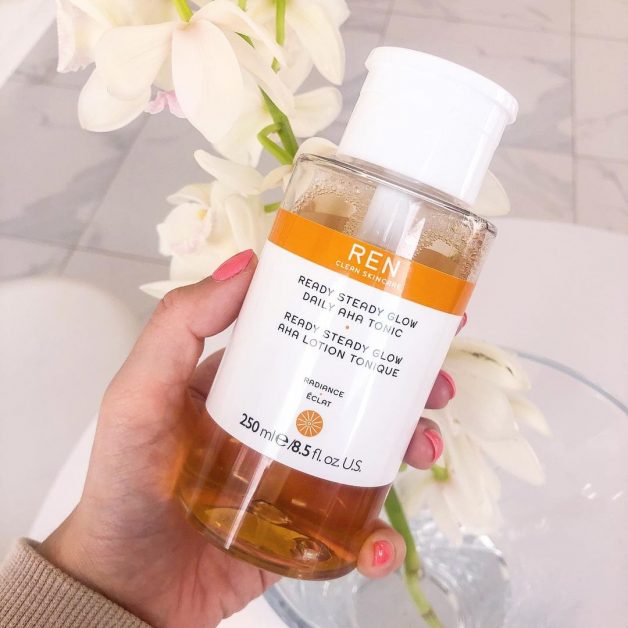
 1 Fruit acids (AHAs)
You’ve probably heard of AHAs, it stands for alpha hydroxy acid (in case you wondered). The best known of these is glycolic acid – a chemical exfoliator found in toners, serums, exfoliators and creams that removes the surface layer of dead skin cells for a smoother complexion. Other AHAs include lactic acid, critic acid and mandelic acid.
-
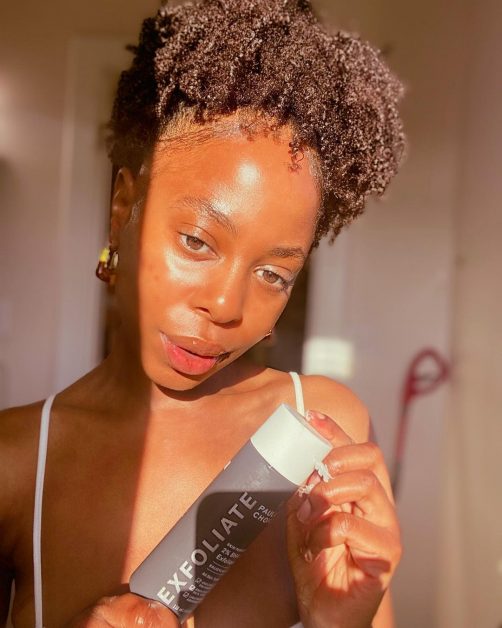
2 Salicylic acid (BHA)
Beta hydroxy acid, otherwise known as salicylic acid, is the number one for fighting acne. BHAs can get deeper into the pores to remove dead skin cells, impurities and excess sebum. While salicylic acid can help to smooth out dry skin, overuse can dry skin out further. Try spot-treating blemishes or, if you suffer from acne, look for a salicylic acid cleanser.
-
3 Hyaluronic acid
Hyaluronic acid is basically the OG, the acid that enlightened us to how amazing acids are. It occurs naturally within the skin and is a crucial part of our connective tissue. It’s earned its superstar status because of its water-binding ability (one gram of hyaluronic acid can hold up to six litres of water). Once applied, it penetrates deep into the skin and stimulates the body’s natural production.
-
4 Vitamin C (ascorbic acid)
You might not have known this one’s even an acid, but it is. A popular one, too. Vitamin C is a powerful antioxidant and can shield from (and speed up healing from) damage from environmental stressors, like pollution and blue light. Apply Vitamin C at night – when the majority of the skin’s healing is done – to even out skin tone and brighten the complexion.
-
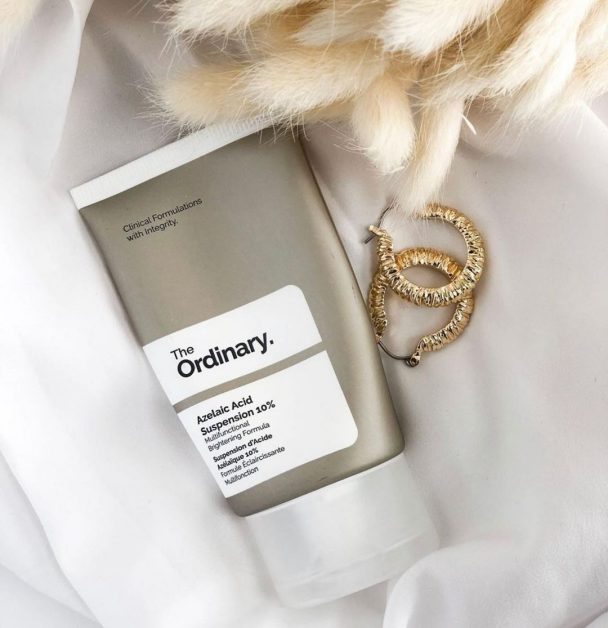
5 Azelaic acid
Azelaic acid isn’t as much of an all-rounder (like hyaluronic acid) but it’s especially good for conditions like acne or rosacea. Azelaic acid reduces the build-up of free fatty acids in the skin and treats inflammation and redness. It’s much milder than AHAs but your skin still needs to get used to it – start by using it every other evening. Want to know more about azelaic acid? We've got you.


FAQs
What does glycolic acid do for your skin?
Glycolic acid is a type of alpha hydroxy acid (AHA) that helps remove dead skin cells from the surface, giving you a smoother complexion. This chemical exfoliator is often found in toners, serums, exfoliators and creams for improved skin texture.
How does salicylic acid help with acne?
Salicylic acid, a beta hydroxy acid (BHA), is highly effective at fighting acne by penetrating deep into your pores. It removes dead skin cells, impurities and excess sebum, but overuse can leave your skin feeling dry, so spot-treat blemishes or use a salicylic acid cleanser if you have acne.
Why is hyaluronic acid popular in skincare?
Hyaluronic acid is valued for its water-binding ability, as just one gram can hold up to six litres of water. It naturally occurs in your skin and stimulates your body’s own production, penetrating deeply to boost hydration and support connective tissue.
When should you apply Vitamin C to your skin?
You should apply Vitamin C (ascorbic acid) at night, when most skin healing happens. Vitamin C is a powerful antioxidant that helps shield you from environmental stressors like pollution and blue light, while also evening out your skin tone and brightening your complexion.
How should you start using azelaic acid in your routine?
Begin by using azelaic acid every other evening to help your skin adjust, as it is milder than AHAs but still effective at treating conditions like acne and rosacea. Azelaic acid helps reduce inflammation, redness and the build-up of free fatty acids in your skin.