
We’ve all been there. You’ve got a holiday coming up, a big night out on the horizon or you’ve simply decided that this is the week you finally commit to smoother skin. But if you’ve never had a wax before (or it’s been a while), the whole thing can feel a bit… mysterious. What do you wear? Will it hurt? What on earth is hard wax versus soft wax? That’s where we come in. Consider this your no-nonsense, honest guide to waxing, from prep to aftercare and everything in between.
What happens during a wax appointment?
At a wax appointment, your practitioner applies warm or hot wax to the skin and quickly pulls it off in the opposite direction of hair growth. This technique removes hair from the root, which means smooth skin for 3 to 6 weeks – far longer than you’ll ever get after shaving. The most popular areas are legs, bikini, underarms, face and back.
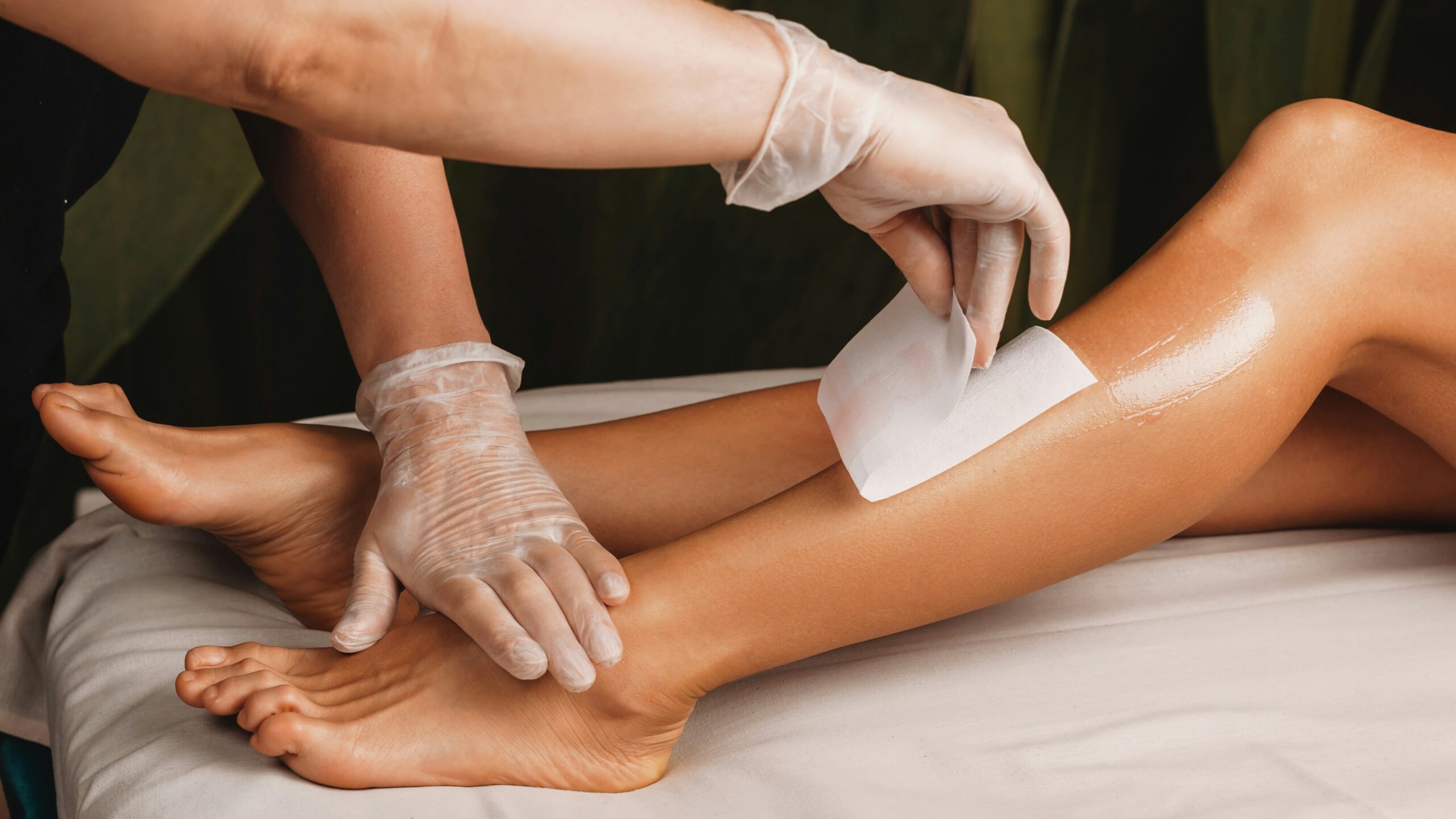
A licensed practitioner knows how to work with different hair types and skin sensitivities (yes, even the tricky ones). They use high-quality products that ensure seamless hair removal, and maintain strict hygiene standards with fresh gloves, single-use spatulas and properly heated wax to minimise irritation and infection risk. Most people find salon waxing hurts less than DIY attempts, because technique really does make the difference.
What first-timers should know before booking
If this is your first time, start with a less sensitive area like legs or underarms rather than diving straight into a Brazilian. Share any concerns with your practitioner beforehand. They can adjust their approach and suggest numbing creams if you’re worried about discomfort. Expect a quick sting, especially the first time round (it gets easier, we promise). Check that the salon uses gloves, single-use spatulas and reputable wax products.
How waxing differs from other hair removal methods
Waxing pulls hair from the root, which gives you smoother skin for longer than shaving and less maintenance than depilatory creams. With repeated sessions, hair grows back finer and softer too. It’s one of those treatments where consistency pays off.
Ideal hair length for waxing
Aim for about a quarter to half an inch of growth, roughly the length of a grain of rice. Too short and the wax won’t grip properly. Too long and you’re in for more discomfort and uneven results, as the hairs can twist or break rather than remove cleanly from the root.
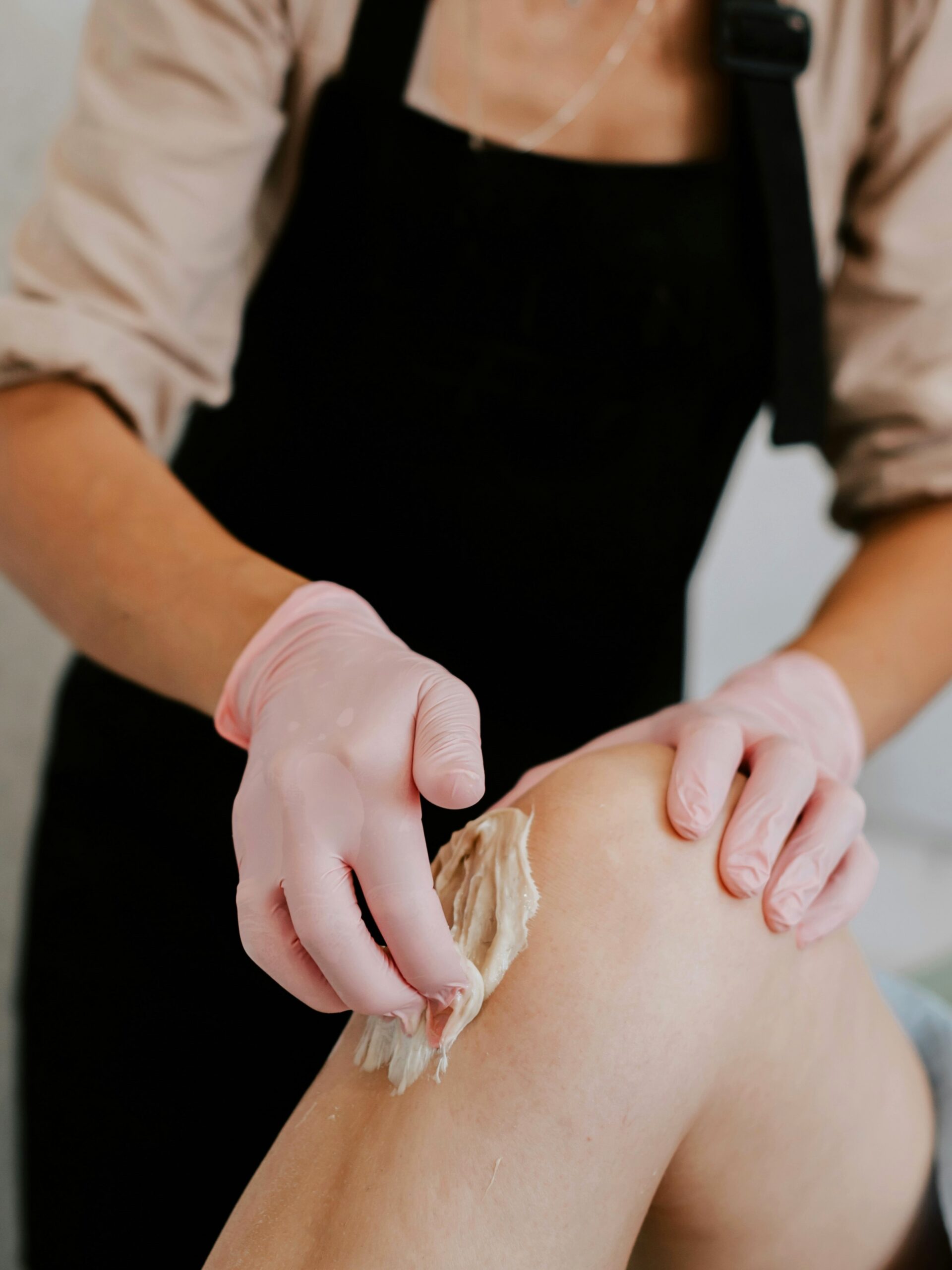
Bikini and Brazilian waxing works best with about half an inch of growth, while legs typically need only a quarter-inch. Underarms can manage a quarter-inch too, though some salons accept slightly less. Facial hair often works at just under a quarter-inch. Think of it like Velcro: the wax needs something to hold onto.
Pre-wax preparation: the 24 to 48 hours before
Gently exfoliate one to two days beforehand to clear dead skin. This helps the wax grab hair rather than catching on dry, flaky patches (your practitioner will thank you). Moisturise in the lead-up to your appointment, but skip heavy creams on the day itself. Stay hydrated and avoid sun exposure for 48 hours prior. If you can, schedule around your period to minimise sensitivity, as research suggests most people are more tender in the days leading up to and during their cycle.

Skincare products to pause before waxing
Stop using retinoids, glycolic acid and benzoyl peroxide on treatment areas 5 to 7 days before your wax. These ingredients thin and sensitise skin, which raises the risk of irritation, potential tears or minor burns (not the glow-up you’re after). You can resume them 2 to 3 days after waxing, once your skin has recovered.
The right way to exfoliate before waxing
Use gentle scrubs or mitts in light circular motions for 30 to 60 seconds, focusing on the area to be waxed. This lifts dead skin cells and frees hairs that might otherwise become ingrown. Stop exfoliation a day before your appointment to avoid over-sensitising. You want your skin primed, not raw.
Foods, drinks and substances to avoid before your wax
Skip caffeine and alcohol for at least 12 to 24 hours before your appointment. Both increase skin sensitivity and make the whole experience more painful than it needs to be. Blood-thinning medications can also heighten side effects, so check with your doctor if that applies to you. Stay well hydrated to support skin elasticity and smoother hair removal.
Have a light meal beforehand so you’re not running on empty (low blood sugar makes everything feel worse, including waxing). Water or herbal tea throughout the day is your best bet. Antioxidant-rich foods like berries or green vegetables are great for keeping skin in good condition too.

Pain management: making your wax more comfortable
If you’d like a little extra help, take an over-the-counter pain reliever about 30 to 60 minutes before your appointment. Breathing techniques and distraction (music, a podcast or simply chatting to your practitioner) work surprisingly well. Numbing creams are an option for sensitive areas. And here’s the good news: regular waxing reduces pain over time as hair grows finer and follicles weaken. Your fourth Brazilian will feel a whole lot better than your first.
When to consult a doctor before waxing
Check with your doctor before booking if you have diabetes, circulatory issues, varicose veins, or if you’re pregnant. Certain medications that thin blood or affect skin sensitivity also merit medical advice first.
Choosing the right wax type for your skin and body area
There are three main types of wax: soft (strip) wax, hard (no-strip) wax and sugar-based wax. Soft wax works well for larger areas like legs and arms because it’s quick and efficient. Hard wax is gentler for sensitive spots. When it hardens it can be pulled off without a strip, and it grips only hair, not skin (a relief for anyone who’s nervous about the bikini area).
Sugar wax is ideal for delicate skin and those prone to reactions, since it’s made from natural ingredients like sugar, lemon and water, and the wax is removed in the direction of hair growth (not against it). Your practitioner can advise on which formula suits your skin best.
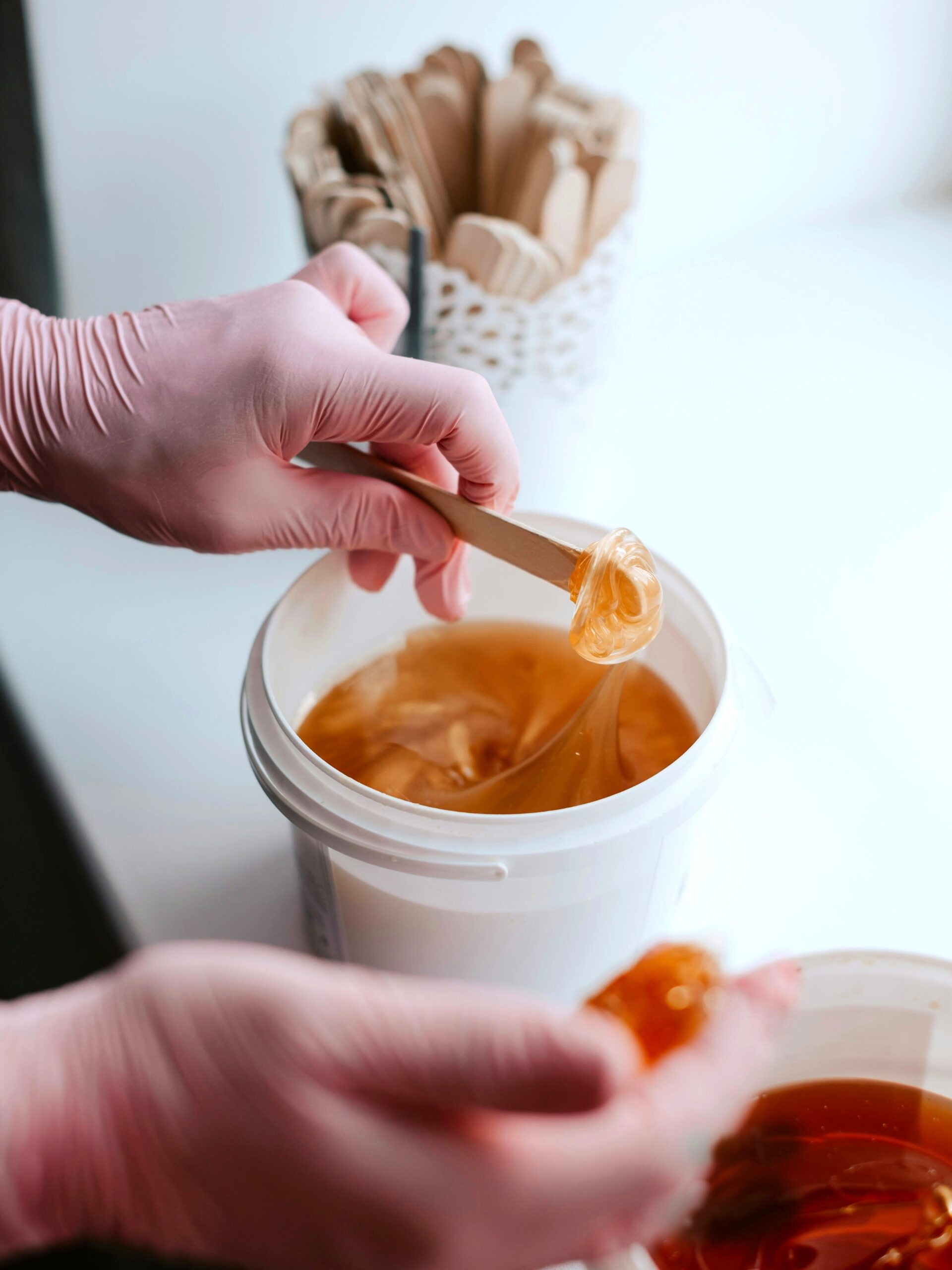
Practitioners typically match wax type to body area. Eyebrows usually get soft wax for precision. Legs benefit from soft wax’s efficiency over larger surfaces. Bikini and Brazilian areas almost always use hard wax for comfort and better grip on coarser hair. Underarms generally get hard wax too. Facial hair responds best to hard or sugar wax for gentleness. Your practitioner might adjust based on your specific hair type and skin sensitivity.
| Wax Type | Best For | Pros | Cons |
|---|---|---|---|
| Soft (strip) wax | Legs, arms, brows | Fast for large areas; precise | Can irritate sensitive skin |
| Hard (no-strip) | Bikini, face, underarms | Gentler on skin; good grip | Smaller areas; slower |
| Sugar wax | Face, sensitive skin | Natural, gentle, easy clean | May not suit coarse hair |
Book your wax appointment on Treatwell
During your appointment: what to expect
Expect visible cleanliness: fresh sheets, gloves and single-use tools. Tell your practitioner exactly what you’d like removed and don’t hesitate to ask for a break if you need one. Appointments last anywhere from 15 minutes for brows to an hour for full legs or a first-time Brazilian.
For Brazilian waxing, your practitioner will leave only a landing strip or triangle shape in front. A full Brazilian (also called a Hollywood) removes all hair. You can change your mind during the session. Most first-timers start with a standard bikini wax and work up to more extensive styles once they know what to expect (makes sense).

Find a waxing salon near you on Treatwell
Essential aftercare: preventing irritation, ingrowns and infection
Apply aloe vera or a post-wax gel immediately after to calm skin. Wear loose clothing and avoid sweating, hot environments and swimming for 24 to 48 hours. Keep hands off freshly waxed skin to avoid introducing bacteria via open follicles. The good news: consistent waxing weakens follicles over time, which means less regrowth with every session.
The 24 to 48 hour critical window
Your skin is extra sensitive during this time, so avoid heat, friction and exposure to bacteria. That means no hot baths, saunas or tight gym leggings – these all create the kind of warm, sweaty environment where bacteria thrive. Minor redness or swelling? Nothing to worry about. Persistent pain, pus or significant swelling? Get medical attention.
Days 2 to 7: ongoing aftercare
Start gentle exfoliation every other day to prevent ingrown hairs. New hair starts growing back during this window and can get trapped under healing skin. Use a mild toner like witch hazel and don’t forget to keep moisturising. Resume stronger skincare products after redness or sensitivity fades, usually about three days post-wax.

Long-term maintenance between appointments
Exfoliate two or three times weekly, however you like to do it, whether that’s dry brushing, scrub mitts or gentle body scrubs. Moisturise daily to keep skin supple. Book your waxing appointment every 4 to 6 weeks and you’ll align with your hair growth cycle for the best results. Track your experience over a few sessions and you’ll start noticing patterns in what works for your skin.
Book your next wax on Treatwell
Troubleshooting common waxing problems
Mild redness or bumps are perfectly normal and fade within a day or two. Cold compresses or gentle creams help soothe things. Ingrown hairs can crop up if dead skin blocks new hair growth, but regular exfoliation and witch hazel are key to reducing them. Severe reactions are rare, but seek medical attention if anything feels off.
How to treat and prevent ingrown hairs
Exfoliate a few times weekly, especially in the week before your next appointment. Use witch hazel to reduce redness or inflammation, and a dedicated ingrown hair serum which helps dissolve the dead skin trapping hairs underneath. If you spot a trapped hair, carefully lift it with sterile tweezers, but resist the urge to pick or squeeze. Products containing salicylic or lactic acid are particularly helpful because they chemically exfoliate and prevent buildup.

Best time to schedule your wax appointment
Allow at least 24 to 48 hours between your wax and any big event so redness doesn’t ruin your day. Pain tends to be less mid-cycle, roughly two weeks after your period starts, when hormone levels are more stable. Book 1 to 2 weeks in advance for your preferred time slot, especially during peak seasons like summer, and keep a regular schedule every 4 to 6 weeks to sync with your hair growth cycles for maximum smoothness.
For weddings, holidays or big nights out, get a trial wax a few weeks before to check for any reactions. Schedule follow-up appointments leading up to the date for consistently smooth results. You don’t want to discover you’re sensitive to a particular wax formula two days before you’re meant to be in a swimsuit (we’ve heard the stories).

Who should avoid waxing
Avoid waxing if you have active skin infections, eczema or psoriasis flares, sunburn or have had recent cosmetic treatments in the area. Check with your doctor if you’re on isotretinoin for acne, blood thinners, or have varicose veins near the treatment area. Alternatives like sugaring (which is gentler) or laser hair removal (which targets follicles differently) may work better in these situations.
Now you’ve got the full picture, from prep and pain management to aftercare and troubleshooting. The right practitioner makes all the difference, and with Treatwell you can browse salons near you, read reviews, compare prices and book for whenever suits. Smooth skin is just a few taps away.
Find a waxing appointment near you on Treatwell
FAQs
A quarter to half an inch, about the length of a grain of rice. Any shorter and the wax won't grip properly.
They increase skin sensitivity and blood flow, making everything hurt more. Save the celebratory drink for afterwards.
Start with legs or underarms rather than jumping straight to a Brazilian. Look up salons with strong reviews, share any concerns with your practitioner and follow aftercare closely.
Completely normal. These subside within a day or two with proper aftercare. Cold compresses help.
Wait at least 24 hours. Sweat and friction are exactly what your freshly waxed skin doesn't need.
Avoid sun, swimming, sauna, sex, and strenuous exercise for 24 to 48 hours post-waxing. Your pores are open and vulnerable during this time.
No. Hair needs to be at least a quarter-inch long for waxing. Shaving means the wax won’t be able to grip the hairs and you'll have to wait weeks before you can rebook.