
You’ve braved the wax and emerged with smooth skin. Job done? Not quite. How you care for your skin afterwards matters just as much as the wax itself, and the 24 to 72 hours following your appointment are when things can mess up. Your follicles are open, your skin barrier is having a moment and one wrong move can undo all that hard work (we’ve all been there). This guide will help you nail your post-wax routine, with essential hygiene tips, sun protection advice and handy timelines.
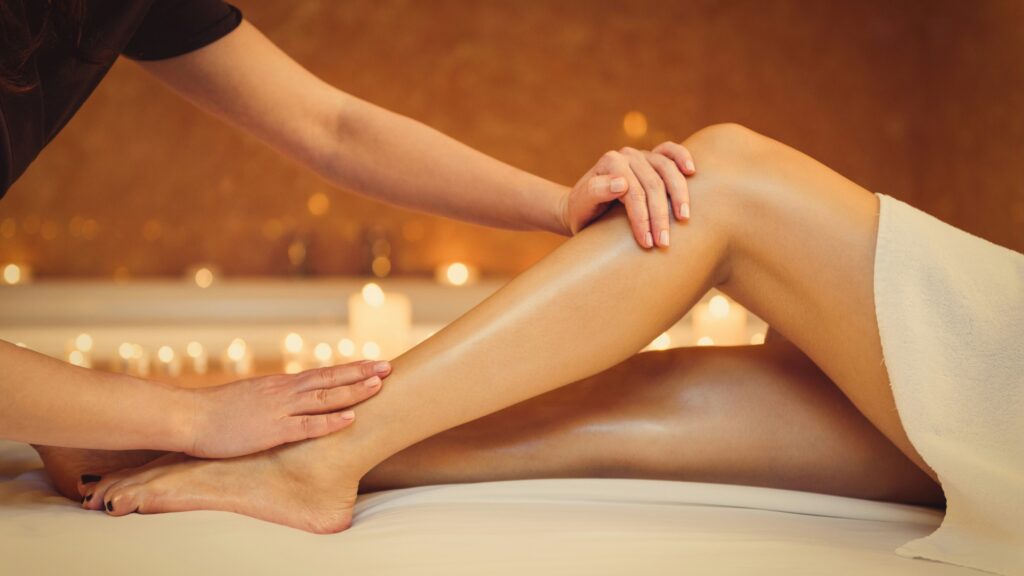
Why post-wax care matters more than the wax itself
Waxing removes hair from the root leaving your skin more sensitive than usual, so neglecting aftercare significantly raises the risk of complications. Skip exfoliation, soak up UV rays or slather on harsh products and you’re looking at ingrown hairs, irritation or worse. The golden rule? Avoid irritants and stick to gentle, barrier-repairing products while your skin recovers.
What happens to your skin after waxing?
Your follicles stay open for around 24 to 48 hours after waxing, essentially like tiny doorways letting in irritants and bacteria (not ideal, we know). Your skin barrier also takes a hit. If you’ve got dry skin, reach for hydrating products. Oily or acne-prone? Opt for oil-free, non-comedogenic soothing gels to keep breakouts at bay.
Most people underestimate just how vulnerable their skin is during this window. Those open follicles are working overtime to heal, and even seemingly harmless products can cause unexpected reactions.

The post-wax healing timeline
Understanding what’s happening beneath the surface helps you time your aftercare properly. Peak sensitivity hits in the first six hours when follicles are open and inflamed. Initial healing kicks in between six and 24 hours, but your skin is still tender. Between 24 and 48 hours, follicles start to close and recovery begins, if you’re treating your skin right. By 48 to 72 hours, your barrier improves, though you might notice some dryness or peeling.
It takes around a week for most skin types to fully recover, though sensitive skin may need a little longer.
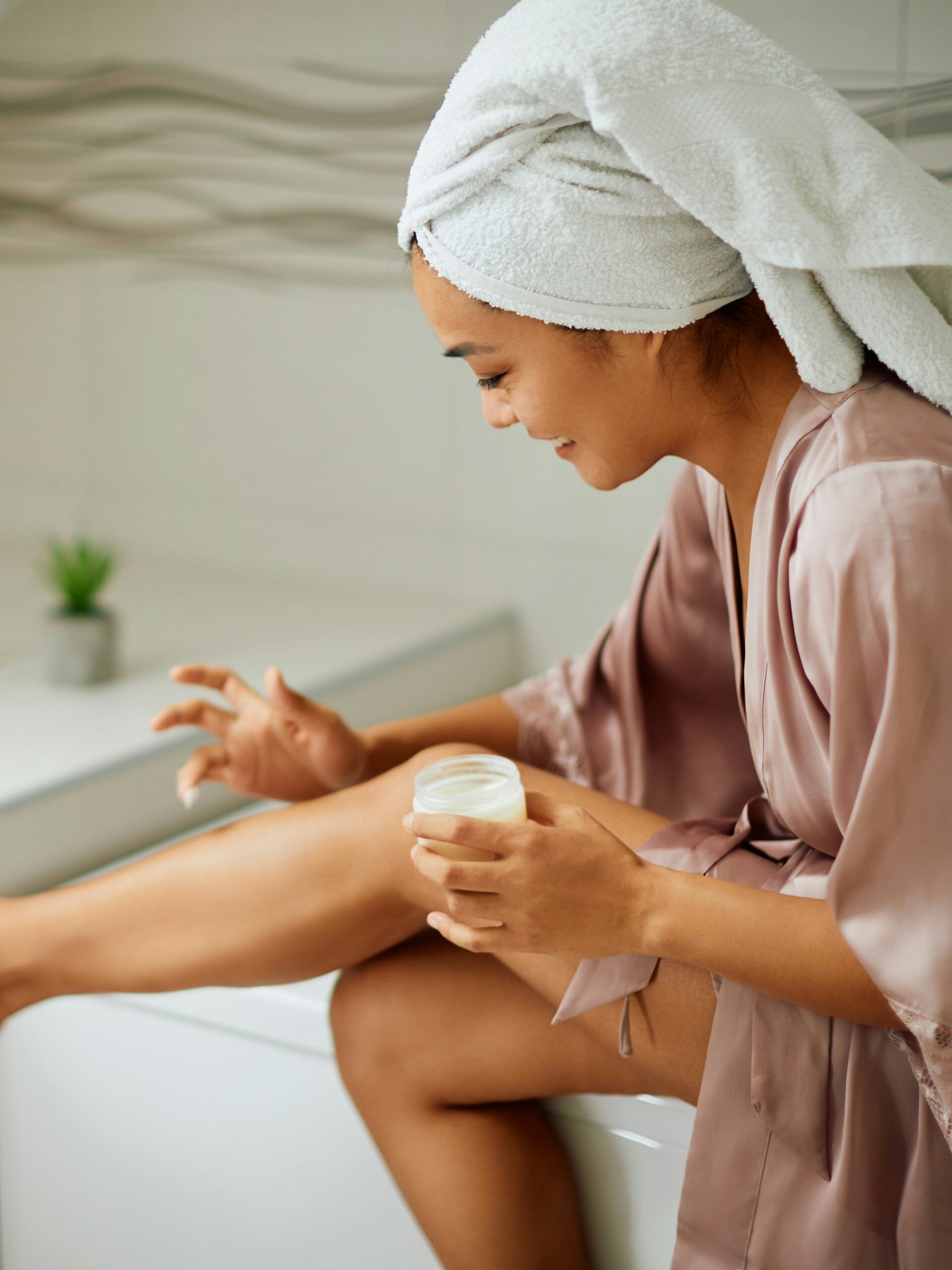
Skipping exfoliation: the number one cause of ingrown hairs
Dead skin traps hairs beneath the surface leading to those annoying bumps and inflamed pores nobody wants. Start gentle exfoliation 48 hours post-wax, when your skin is less vulnerable. Daily moisturising also helps prevent dryness and ingrown hairs.
The tricky part is knowing when to start. Most people jump in too early or wait too long (both are surprisingly easy to do). If your skin still feels raw or looks pink after 48 hours, give it another day. Once that initial sensitivity fades, consistent exfoliation becomes your best defence.
Best exfoliation methods for different body areas
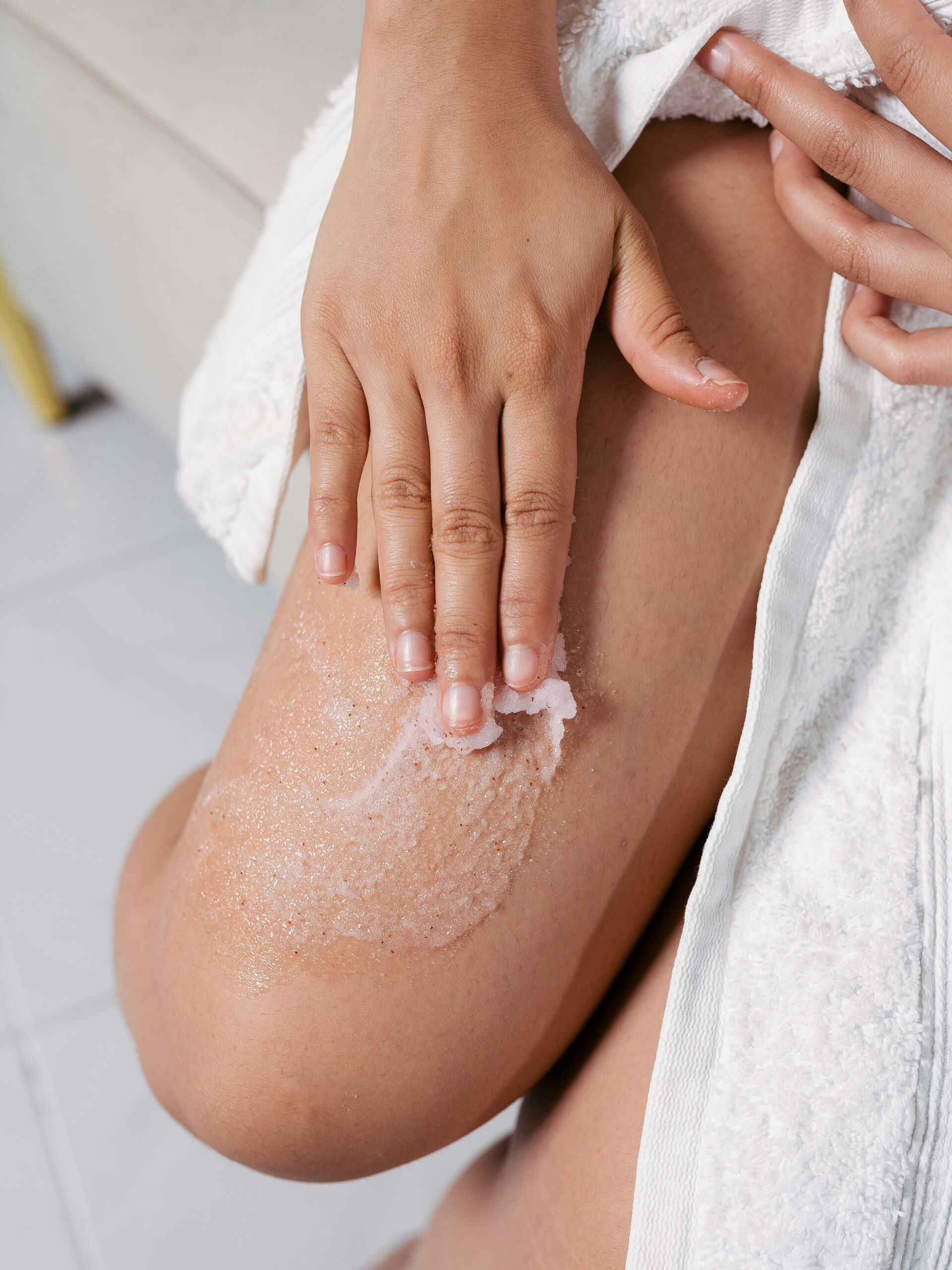
Your bikini line needs mild chemical exfoliants like salicylic acid pads, which work without friction. Legs can handle a gentle scrub after 48 hours if there’s no redness. For your face and upper lip, enzyme-based exfoliants work best (reach for papaya). Underarms respond well to lightweight AHA or BHA serums, used sparingly.
Signs you’re over-exfoliating post-wax
Redness, burning, tightness or peeling are your skin’s way of telling you to slow down. If breakouts or dry patches start appearing, ease off. Aim for gentle exfoliation two to three times a week and adjust as needed.
Book your next wax on Treatwell
Sun exposure and tanning after waxing: a hyperpigmentation risk
UV exposure is especially dangerous after waxing because your skin is more photosensitive than usual. This raises the risk of brown spots, particularly for darker or easily pigmented skin tones. Those open follicles and a compromised skin barrier mean UV damage penetrates more deeply than normal. Avoid any sunbathing or tanning for 24 to 48 hours after waxing (yes, even if it’s gorgeous outside).
Safe sun practices after waxing
Wear protective clothing in the sun – hats and cover-ups are your friends here. Schedule wax appointments in the late afternoon or evening so you’re not heading straight into midday sun. Use mineral sunscreen with zinc oxide or titanium dioxide, which sits on top of the skin rather than absorbing into those vulnerable follicles. Avoid midday sun altogether if possible, and reapply sunscreen every two hours when outdoors.
Using harsh products on freshly waxed skin
Open follicles make your skin more permeable, which means you need to be mindful about what you’re applying. Retinoids, AHAs, BHAs, vitamin C and essential oils can all inflame freshly waxed skin. These ingredients are brilliant for your regular routine, but they’re too aggressive when your skin is trying to heal. Wait several days before reintroducing your actives and reach for calming ingredients like aloe vera, centella asiatica or colloidal oatmeal instead. Avoid thick, oil-based products as they can trap bacteria in your open pores.
Products to avoid for 48 to 72 hours post-wax
Keep retinol and retinoids, AHAs and BHAs (glycolic, lactic, salicylic acids), vitamin C serums, essential oils and fragranced lotions off your freshly waxed skin during the healing window. Skip deodorant on waxed underarms and makeup on waxed facial areas too.
Post-wax soothing product guide
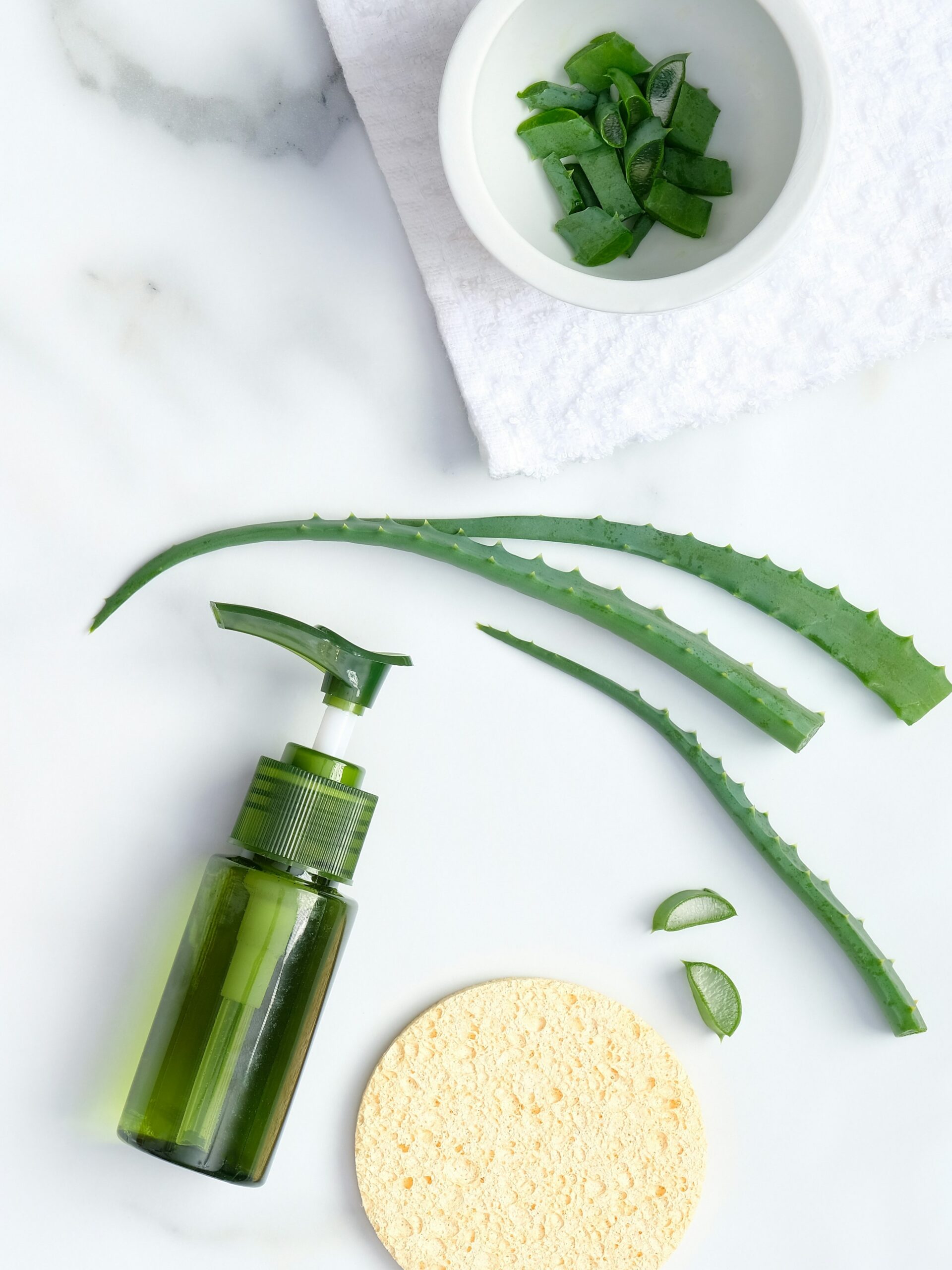
Pure aloe vera gel is a winner (pop it in the fridge for extra cooling, divine). Centella asiatica creams, colloidal oatmeal lotions, fragrance-free hyaluronic acid serums and calendula balms all calm irritated skin and support your barrier as it recovers.
Touching, scratching and picking at waxed skin
We know it’s tempting, but touching introduces bacteria and irritates open pores. Scratching can cause scarring or spread bumps, so hands off (seriously). Touching waxed skin with unwashed hands is one of the fastest routes to an infection.
How to resist the urge to touch
Keep your hands occupied. Read a book, get cooking, scroll through Treatwell for your next appointment (productive and distracting). Use soothing lotions, wear loose clothes and apply a cold compress if things get itchy. If you catch yourself touching or picking, try keeping the area covered with soft clothing as a physical reminder.
Exercising and sweating too soon after waxing
Sweating on open follicles can clog pores and trigger breakouts or infection. Your body doesn’t distinguish between workout sweat and heat sweat, and it all carries bacteria and salt that can irritate vulnerable skin. Give yourself at least 24 hours before high-intensity exercise or sauna sessions.
This is probably the hardest rule for gym regulars to follow (we feel you). Missing a workout feels counterproductive, but pushing through can lead to folliculitis that takes weeks to clear. It’s worth taking one rest day to avoid an infection.
Activities to avoid for 24 to 48 hours
High-intensity cardio, weight training, hot yoga, swimming, saunas, jacuzzis and long hot showers or baths should all be postponed until your skin has had time to settle.
Low-impact alternatives during recovery
Gentle walks in a cool setting, light stretching, or meditation keep you moving without triggering sweat. If you’ve waxed your legs, moderate upper body movements may be fine, just don’t work up too much of a sweat.
Find a waxing salon near you on Treatwell
Waxing too frequently and over-exfoliating
Body hair typically grows back around three to six weeks after a wax. Book a treatment too soon and hair is too short for proper removal, leading to breakage and quicker regrowth (the opposite of what you want). Plus, frequent waxing or over-exfoliating compromises your barrier and increases pain and irritation.
Experts recommend four weeks between leg and bikini waxes. Any sooner and you’re essentially just irritating your skin for diminishing returns. And here’s something worth knowing: research suggests pain sensitivity is heightened during ovulation, so timing your wax with your body’s cycle can make a difference.
Optimal waxing intervals by body area
Bikini and legs do best with four to six weeks between sessions. Underarms can be waxed every three to four weeks. Face and upper lip typically need attention every two to four weeks, whilst eyebrows can go three to four weeks between appointments.
Wearing tight clothing after waxing
Tight clothes trap moisture and increase friction, both of which raise the risk of infection and irritation. Synthetic fabrics especially prevent your skin from breathing and make post-wax discomfort worse. That cute bodycon dress? Save it for next week. Cotton is your best bet for at least two days.
Best clothing choices post-wax
Opt for soft, loose, breathable cotton. Dresses, skirts and flowy trousers all help recovery. Cotton underwear provides excellent ventilation, or go without at home if you fancy (no judgement here).

Why professional waxing beats the DIY approach
Can you wax at home? Technically, yes. But most people end up with wax that’s too hot (hello, burns), strips pulled at the wrong angle, or bruising from going over the same spot twice. A professional knows exactly how to hold the skin, which wax type suits each area and how to get a clean removal without the drama. The difference between a home job and a salon visit is usually the difference between bumpy regrowth and weeks of smooth skin.
Hard wax works best for sensitive areas like the bikini line and face, whilst soft wax is better for larger areas like legs. A good therapist selects the right wax, adjusts the temperature and reads your skin as they go. That’s expertise you just can’t replicate with a microwave kit and a YouTube tutorial.
Book your wax on Treatwell and leave it to the experts
Complete post-wax care timeline and routine
Every body area needs tailored aftercare, but these basics prevent most issues. Before waxing, minimise alcohol and caffeine, and avoid waxing during times of peak skin sensitivity. Keep this checklist handy and see a dermatologist if redness lasts beyond 48 hours.
0 to 24 hours post-wax
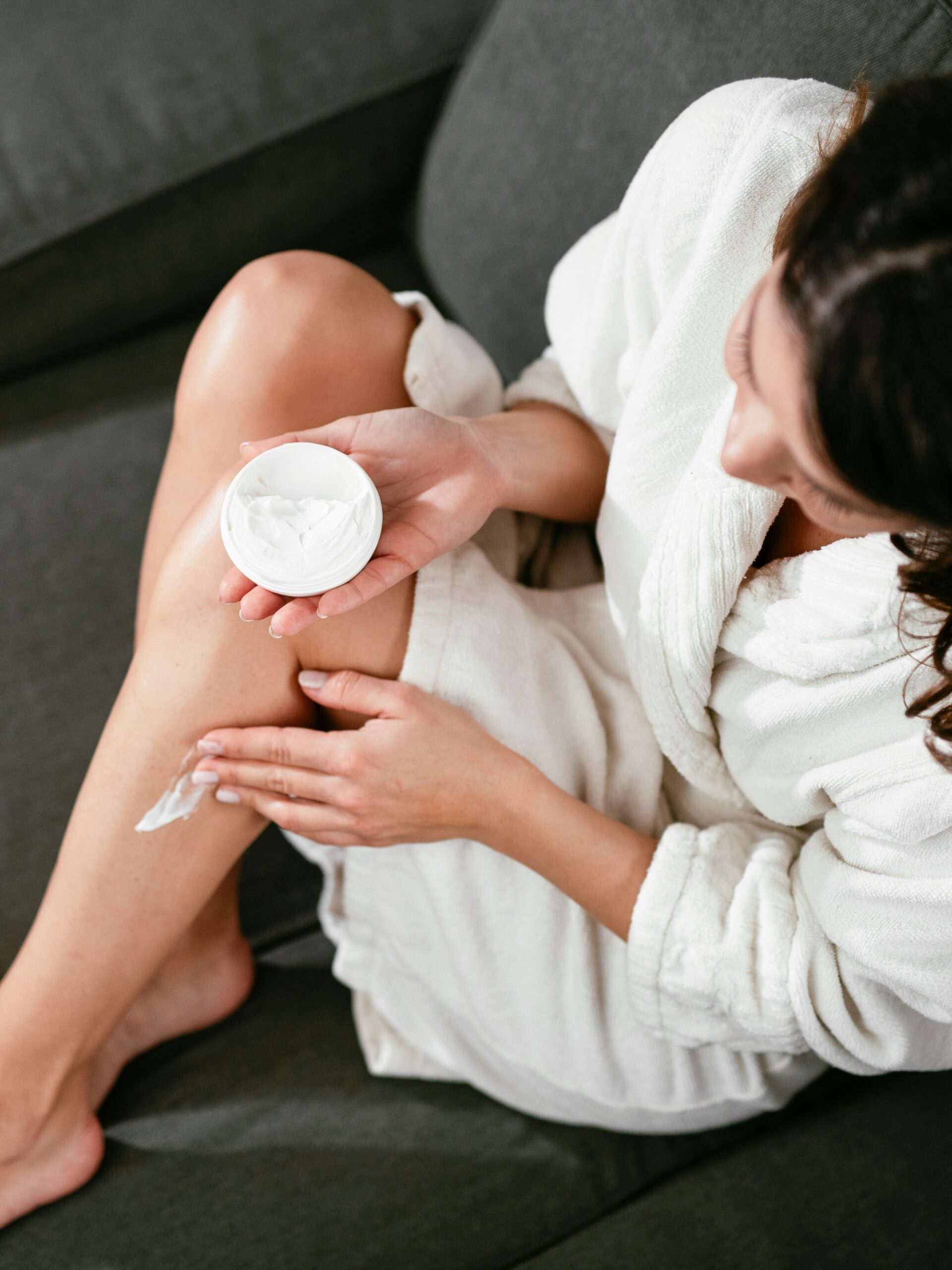
Stick to cool showers only. Apply aloe vera or a nourishing, fragrance-free cream. Wear loose, breathable clothing and avoid heat, sweat and friction. Skip makeup on waxed areas of the face and deodorant on waxed underarms.
24 to 48 hours post-wax
Start gentle exfoliation if your skin isn’t irritated. Apply SPF before any sun exposure and continue using gentle, fragrance-free moisturisers. Avoid the gym and swimming if there’s still inflammation and resume normal cleansing with mild products.
One week and beyond: ongoing maintenance
Exfoliate two to three times weekly and moisturise daily. Resume activities if your skin is calm. Check for ingrowns and treat them early. Schedule your next wax for four to six weeks time for larger areas.
Warning signs: when post-wax reactions need medical attention
Redness and bumps usually fade within 48 hours, and that’s perfectly normal (nothing to worry about). But if you spot pus, develop a fever or notice spreading rashes, it’s time to seek help. Cold compresses reduce swelling and tea tree oil or witch hazel can help with small bumps. Persistent pain or severe reactions? Get yourself to a dermatologist.
Normal post-wax reactions
Mild redness, bumps, tenderness, dryness or sensitivity to touch that fades within a few days is expected. Some swelling of follicles may occur but this will subside as pores close.
Concerning symptoms that need professional help
See a professional if you notice pus or yellow discharge, fever or malaise, rapidly spreading redness, severe swelling, hives or a widespread rash, or pain that worsens after 24 hours. Don’t wait it out if symptoms escalate. Infections can develop quickly in compromised skin.

You’ve now got everything you need to look after your skin like a pro between waxes. The right aftercare routine means smoother results, fewer ingrowns and skin that actually thanks you for it. Browse salons near you on Treatwell, read reviews, compare prices, and book your next wax for whenever suits, whether that’s today, this evening, or the weekend.
Find a waxing appointment near you on Treatwell
FAQs
Dead skin traps hair beneath the surface, leading to ingrown hairs and bumps. Wait 48 hours after waxing, then exfoliate regularly to keep your skin smooth.
Exfoliate gently two to three times weekly, keep skin moisturised and wear loose cotton clothing. Treat any early ingrowns immediately with a targeted bump serum.
Your freshly waxed skin is extra photosensitive, which means UV rays can cause dark spots or burns. Wait at least 24 to 48 hours and always wear SPF.
Go for soothing, fragrance-free moisturisers with aloe, centella or oatmeal. Avoid strong actives, retinoids and heavy oils for 48 to 72 hours.
Wait three to six weeks depending on the area. Four to six weeks for legs and bikini. Waxing too soon causes breakage and irritation without seeing better results.
Yes, especially if you've got oily or acne-prone skin. Inflamed follicles can get clogged easily. Use a calming lotion and avoid harsh actives until things settle down.
Wait 24 to 48 hours to let the bikini area calm down. Friction and fluids can irritate those open follicles. A little patience now prevents a lot of discomfort later.
It means avoiding heat, sweat, friction, sun exposure and harsh products for the first day post-wax. This allows your skin to begin healing without interference.