
Your feet carry you thousands of steps a day, absorb every commute, every queue, every rushed walk to a meeting you’re already late for. And yet, most of us barely give them a second thought until something hurts. Reflexology flips that entirely. By applying targeted pressure to specific points on the feet, or sometimes hands and ears, reflexologists work with your body’s own systems to release tension, ease stress and restore a bit of calm to an otherwise relentless schedule.
It’s not a foot massage (though it does feel lovely). It’s a structured, mapped-out practice with roots going back thousands of years, and the science is starting to catch up with what practitioners have long believed. Whether you’re curious, sceptical or already halfway to booking, here’s everything you need to know.
What is reflexology?
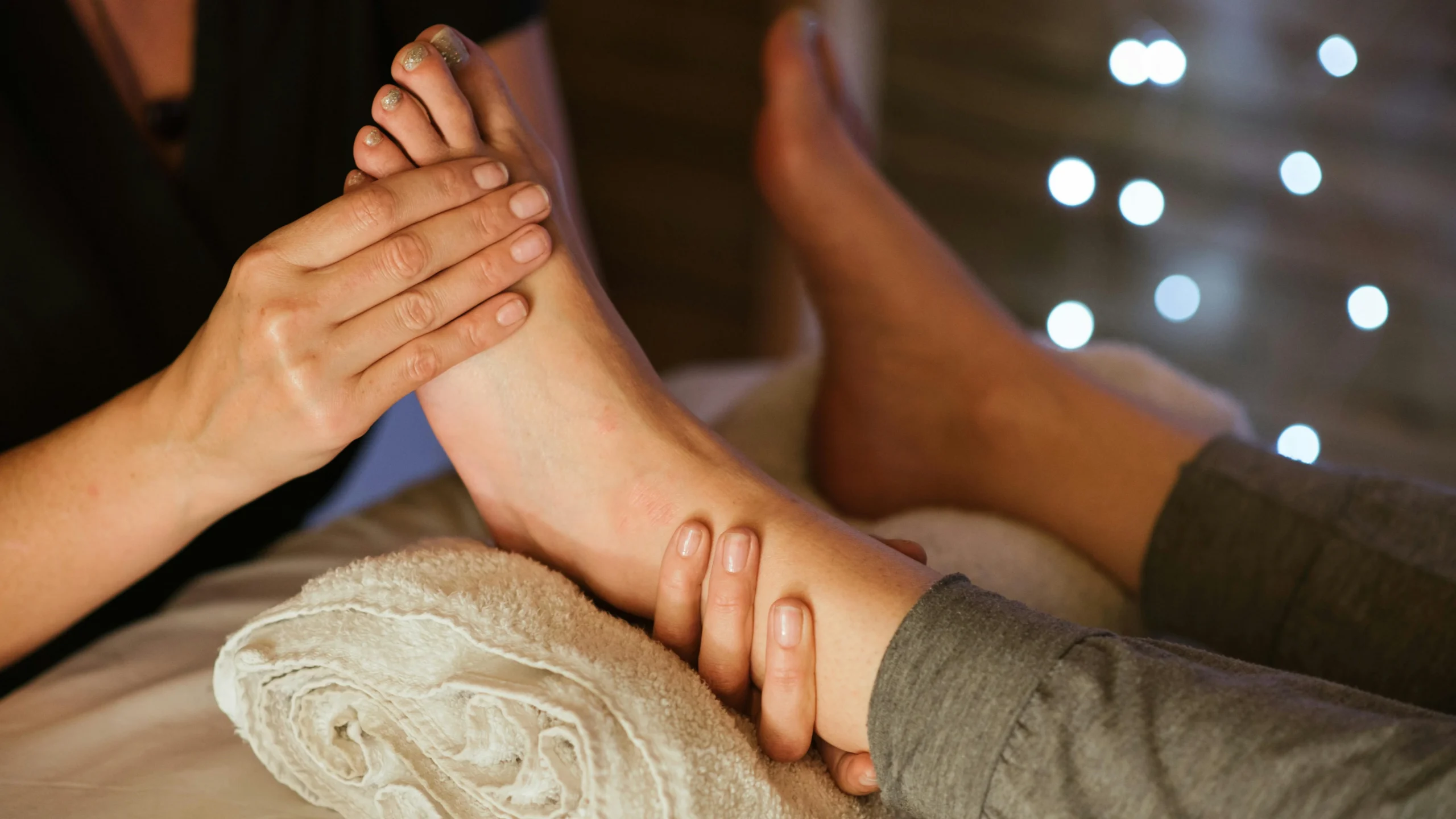
Reflexology is a complementary therapy where a practitioner applies sustained pressure to specific zones on the feet, hands and ears, each believed to correspond to different organs and bodily functions. The technique is most commonly performed on the feet, thanks to their dense network of thousands of nerve endings, though hand and ear reflexology are also practised. Unlike massage, which works directly on muscles, reflexology follows a mapped system of reflex points. It’s designed to complement your existing healthcare, not replace it.
The history and origins of reflexology
Evidence of foot and hand pressure techniques resembling reflexology appears in ancient Egyptian and Chinese traditions (so this isn’t exactly a new idea). In the early 1900s, Dr William Fitzgerald developed ‘zone therapy’, which Eunice Ingham later refined by mapping specific reflex points on the feet to corresponding organs. Ingham’s work remains the foundation of the reflexology charts practitioners use worldwide today.
The reflexology map: understanding reflex zones
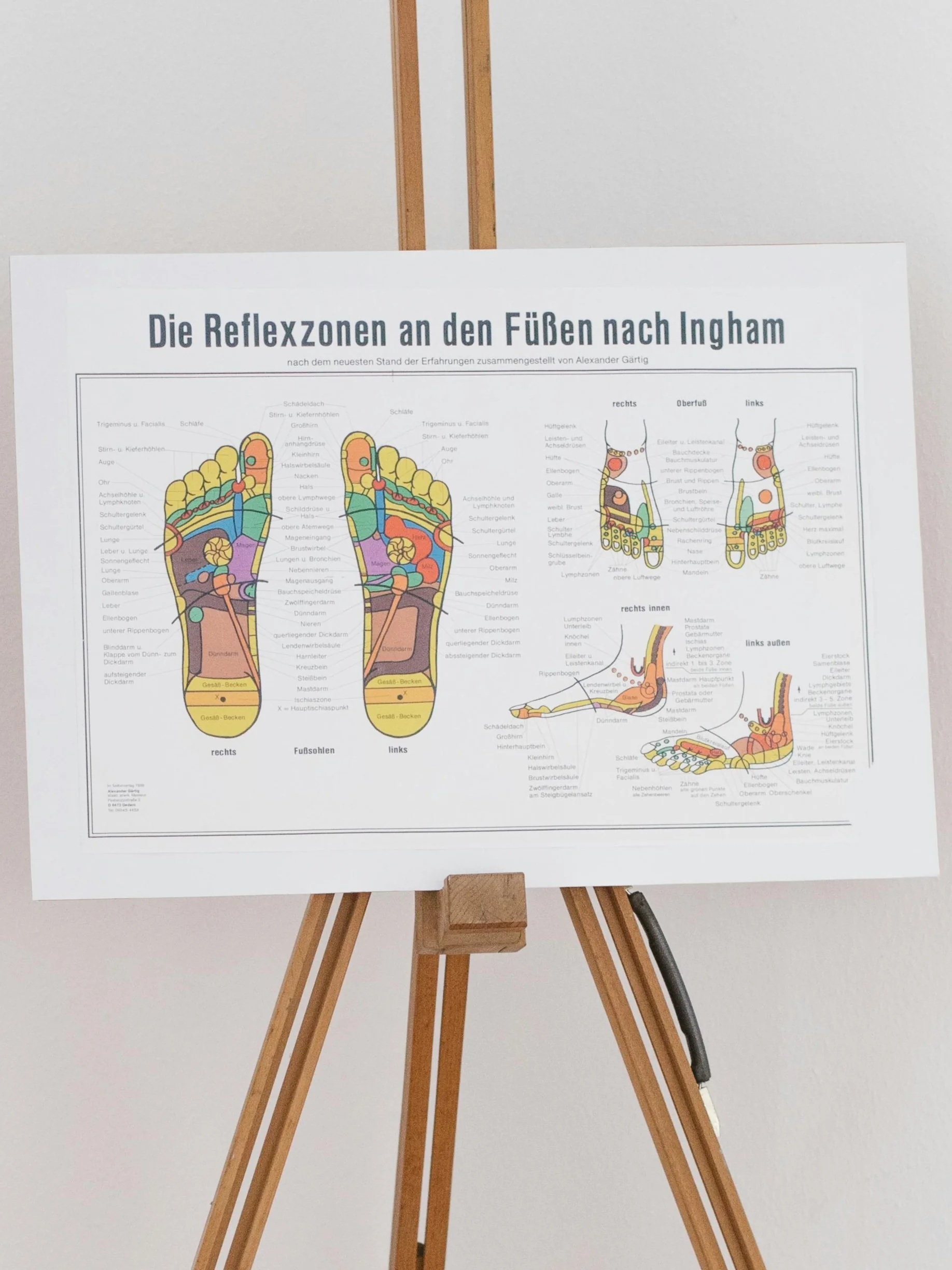
Reflexology foot charts assign areas of the sole and toes to different body regions. For example, your big toe connects to your head and brain, the arch relates to internal organs and the inner edge maps to your spine. The hands and ears also have their own reflex maps, though foot reflexology is considered the most comprehensive because of the feet’s abundant nerve endings.
Whether these connections are anatomically proven remains a subject of ongoing research, but the system provides a consistent framework that practitioners follow globally. Think of it as a detailed roadmap your reflexologist uses to navigate each session.
How does reflexology work? The science behind the practice
Reflexology is believed to trigger a parasympathetic nervous system response, which is your body’s built-in ‘rest and recover’ mode. Practitioners use rhythmic strokes and gentle pressure to stimulate nerves, shift pain signals and encourage the release of endorphins. The energetic pathway theory – the idea that reflexology unblocks energy flow – is less supported by current research, but studies do back reflexology’s ability to promote relaxation and regulate stress responses.
The nervous system connection
Applying pressure to reflex points may send impulses along the spinal cord, adjusting how your body responds physiologically. Gate Control Theory suggests reflexology could block certain pain signals by flooding the nervous system with pressure sensations instead (essentially, giving your brain something else to focus on). Studies also note parasympathetic activation, which supports muscle relaxation and a sense of calm, though results vary between individuals.
Physiological responses during a reflexology session
Studies highlight reflexology’s ability to increase heart rate variability, promote cardiovascular calm, lower blood pressure and decrease cortisol. These findings support what most people feel after a session: stress relief. During treatment, you may notice your breathing naturally slows down, and sometimes people drift off completely. That pleasant drowsiness afterwards? Your parasympathetic nervous system doing its job.
Reflexology techniques: what happens during a session
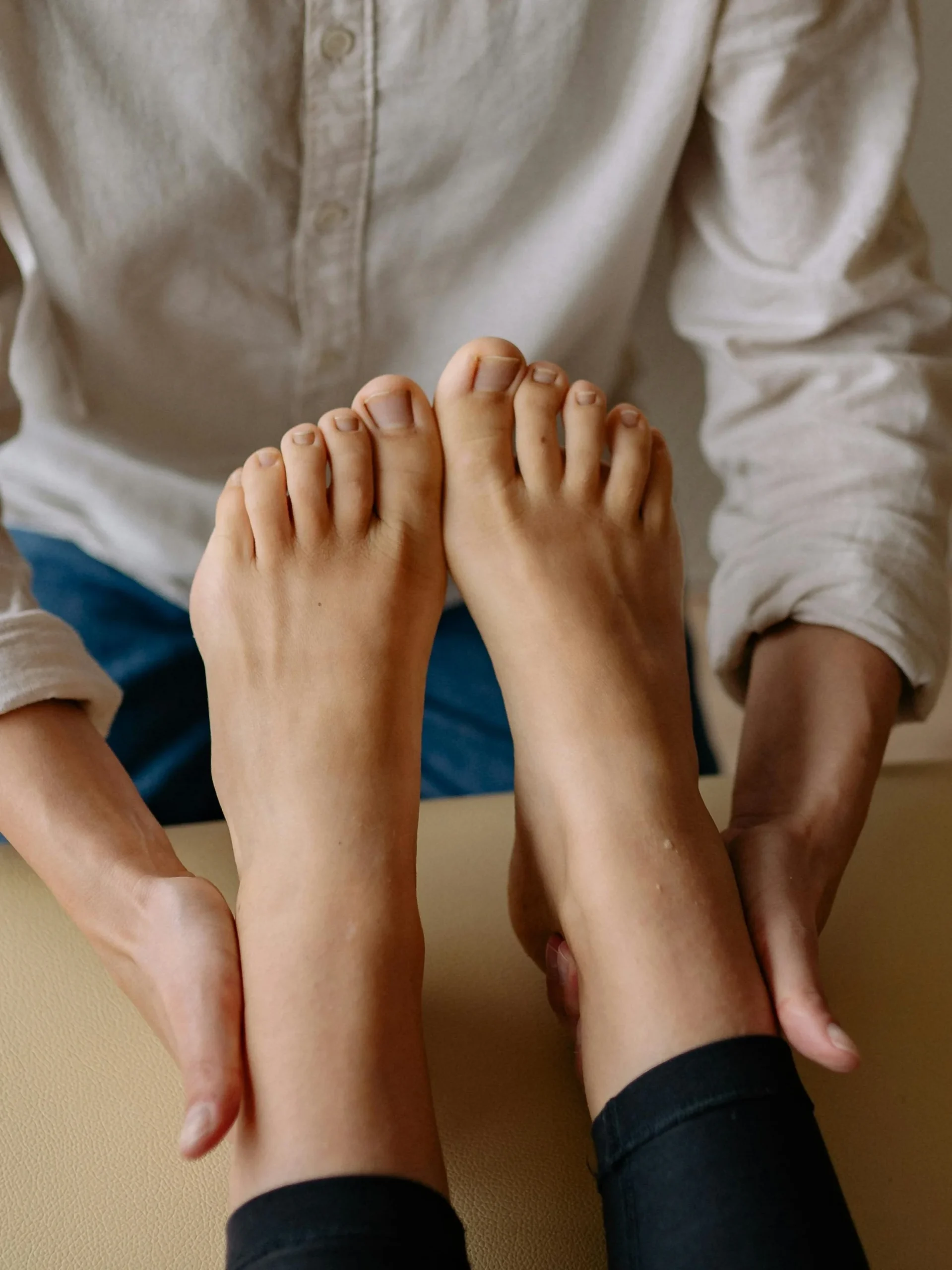
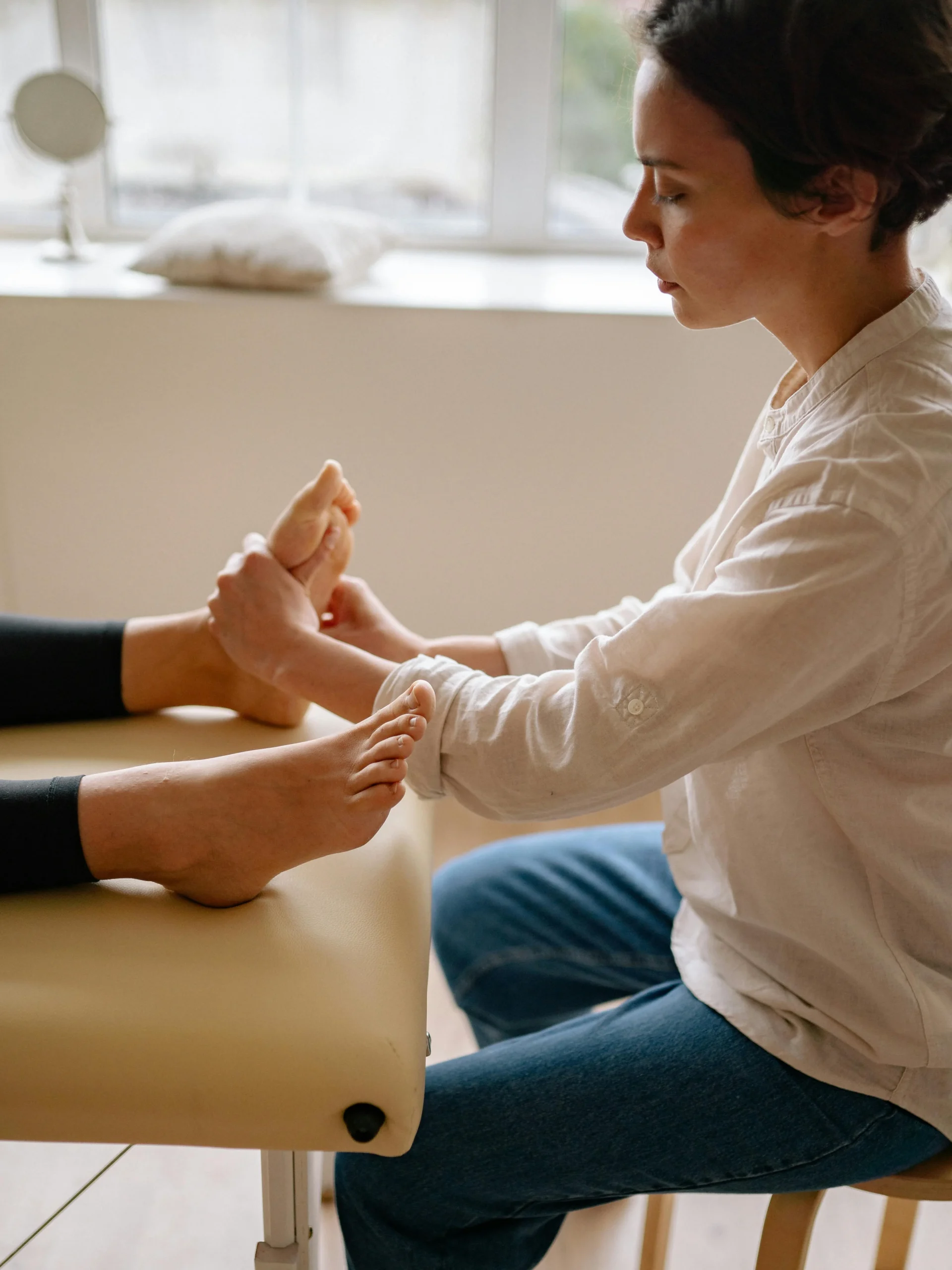
Sessions begin with a health consultation covering any injuries, conditions or sensitive areas. Your reflexologist then uses techniques like ‘thumb walking’ to travel across your sole and apply pressure to mapped points on your feet. You stay clothed except for the area being worked on, which is worth knowing if a full body massage feels a bit too much (we get it). Sessions typically last 30 to 60 minutes and pressure is always tailored to your comfort.
Core reflexology techniques explained
Thumb-walking is used to apply pressure in small, caterpillar-like steps across the foot, covering reflex zones methodically. The ‘hook and back-up’ technique targets a specific reflex point, presses in and then pulls back – it’s great for hard-to-reach areas and deeper stimulation. Other methods include point rotations, gentle fingertip pressure and holding sustained pressure on tender spots. If anything feels too intense, your practitioner can adjust immediately. You should never feel anything beyond mild, productive discomfort.

What to expect during your first session
First, you’ll discuss your health concerns and preferences, then settle in for 30 to 60 minutes of reflex work whilst seated or reclined. This is the part where you might wonder, ‘Will it hurt? Will it be awkward?’ Fear not. Most people experience mild warmth, tingling or a subtle ache in worked areas, which indicates active reflex points. Some practitioners chat throughout, others work in silence. Just let them know what you prefer.
The best bit? You’ll probably leave feeling lighter than you have in weeks.
Reflexology vs massage: key differences explained
Both involve touch therapy, but the approach is different. Reflexology uses precise pressure on mapped points to influence the body’s systems, whilst massage manipulates muscles directly for tension relief. Reflexology focuses on feet, hands or ears; massage addresses the whole body with kneading, gliding strokes and oils. If you prefer to stay clothed during treatment, reflexology is often the more comfortable option. Massage remains the stronger choice for specific muscle tightness or targeted pain relief.
| Aspect | Reflexology | Massage therapy | Acupressure |
|---|---|---|---|
| Primary focus area | Specific reflex zones on feet, hands or ears | Muscles, fascia and soft tissues | Acupuncture points along energy meridians |
| Main techniques | Thumb-walking, pivoting and targeted pressure | Gliding, kneading, tapping and deep tissue work | Pressing, holding or massaging key points without needles |
| Primary goal | Promote balance, reduce stress | Relieve muscle tension, improve circulation | Stimulate energy flow (chi), reduce blockages |
| Session attire | Clothed, only feet/hands exposed | Often partially draped | Usually clothed |
| Best for | Holistic relaxation, stress relief, subtle tension | Muscle tightness, injury recovery, general relaxation | Those interested in TCM meridian work without needles |
| Typical session length | 30–60 minutes | 30–90 minutes | 15–60 minutes |
| Scientific evidence | Modest research showing stress and anxiety relief | More established for muscle tension and circulation | Evolving research supports potential benefits |
Benefits of reflexology: what research actually shows
Stress relief is reflexology’s most consistent, well-documented benefit. Studies report reductions in pain perception, improved sleep quality and lower anxiety. The evidence is compelling enough that many hospitals now offer reflexology in palliative and oncology settings. In one study, a majority of women in labour found reflexology helpful for managing discomfort. Cancer patients in palliative care report improved mood and quality of life when reflexology is included alongside medical treatment.
Systematic reviews show reflexology can help manage anxiety, reduce stress and improve comfort, particularly in chronic illness contexts. Research also suggests better sleep and shifted pain perception, though these effects vary between individuals. What works brilliantly for one person might do less for another, which is true of most complementary therapies.
What reflexology cannot do: managing expectations
Reflexology cannot replace medical care for serious illnesses or reverse disease progressions. It won’t cure cancer, eliminate chronic conditions or substitute for evidence-based treatments. What it can do is relieve stress and some discomfort, making it a valuable addition to a broader healthcare plan. Anyone promising miracle cures? Walk away.
Foot reflexology vs hand reflexology: which is right for you?
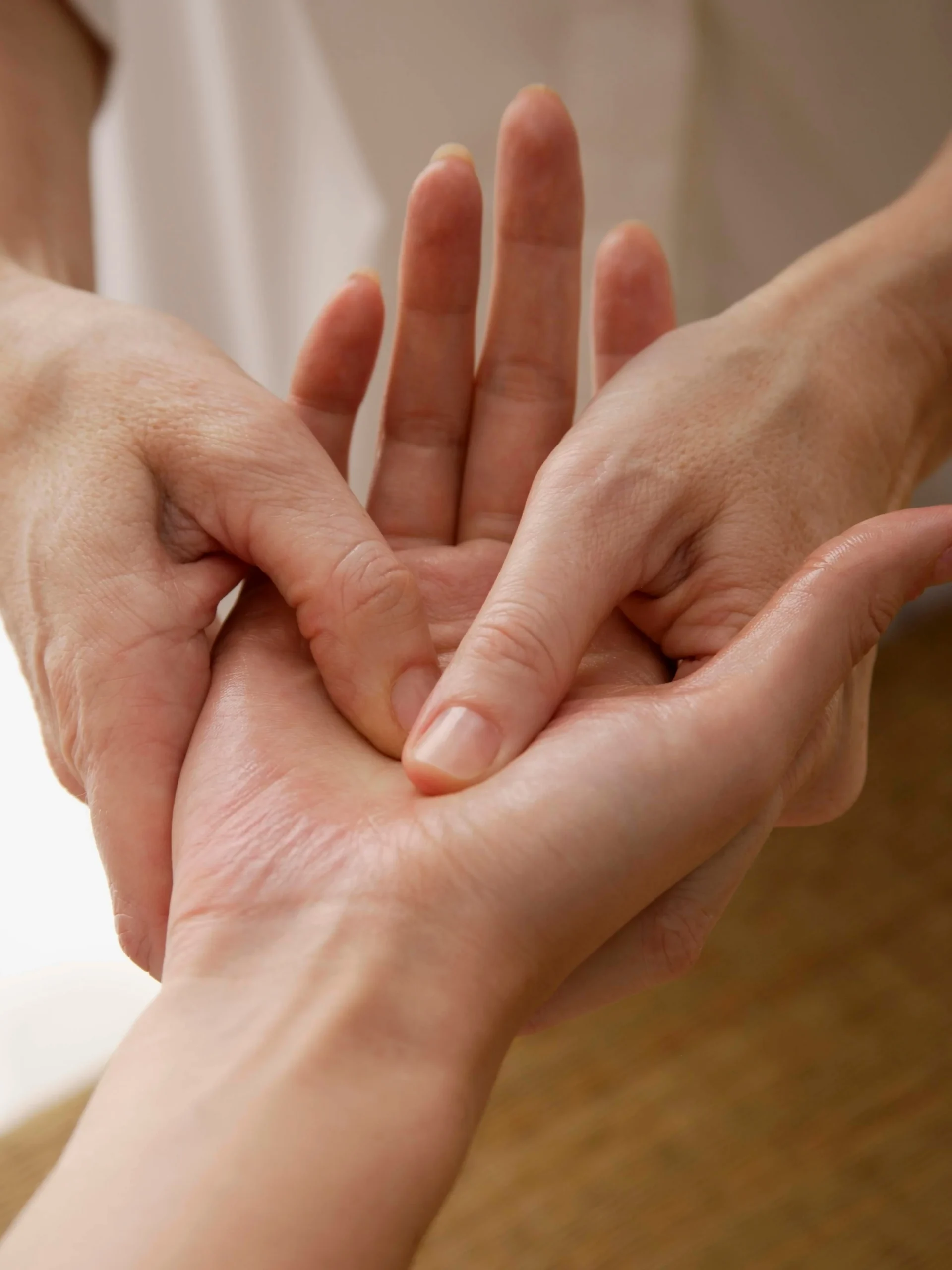
Foot reflexology is the most popular option, partly because the feet tolerate deeper pressure and partly because there’s something inherently grounding about having your feet worked on (perhaps because we spend all day ignoring them, trapped in shoes). Hand reflexology is an alternative for those with foot injuries, conditions like plantar fasciitis or high sensitivity. Ear reflexology, known as auriculotherapy, uses points on the ear and is sometimes combined with acupuncture or acupressure for enhanced effects.
When hand reflexology is the better choice
Hand reflexology works well for those who can’t comfortably remove shoes, have foot injuries or are just not into foot treatments. The reflex points on the hands are smaller and harder to target with the same precision, but for many people it’s a welcome alternative. Your reflexologist can guide you on which approach suits your needs best.
How often should you get reflexology?
That depends on your goals and how your body responds. For general wellness, monthly sessions work well for most people. Chronic issues might benefit from weekly or fortnightly visits initially, tapering to maintenance as symptoms improve. Many people start enthusiastically with weekly appointments, then naturally settle into a monthly rhythm once they feel the benefits (and that’s perfectly fine).
For stress management, monthly or twice-monthly sessions work well as preventative care. If tension creeps back after ten days, fortnightly makes more sense. Track how you feel between appointments to find your rhythm.
Between sessions
Can you work on your own reflex points at home? Honestly, most people find the pressure, angles and precision hard to replicate on themselves, particularly on the feet. There’s also the simple fact that half the benefit of reflexology comes from lying down and letting someone else take over. A professional reflexologist knows exactly where to apply pressure, how much to use and how to read your body’s responses in real time.
If you want to maintain the benefits between appointments, the best approach is consistent booking rather than trying to DIY your way through a reflexology chart.
Risks, contraindications and safety considerations
Reflexology is safe for most people, but certain conditions need caution. Avoid reflexology if you have foot injuries, open wounds or circulatory disorders like DVT, where dislodging a clot could have serious consequences. Those with gout, infections or foot ulcers should check with their doctor before booking.
Mild side effects can include lightheadedness or a headache, increased urination, temporary fatigue and emotional release, all of which tend to pass quickly. Pregnant women, diabetics and cancer patients should look for specially trained practitioners and let their healthcare provider know beforehand. In particular, some reflex points are traditionally avoided during the first trimester of pregnancy, so always mention it when you book.
How to find a qualified reflexologist
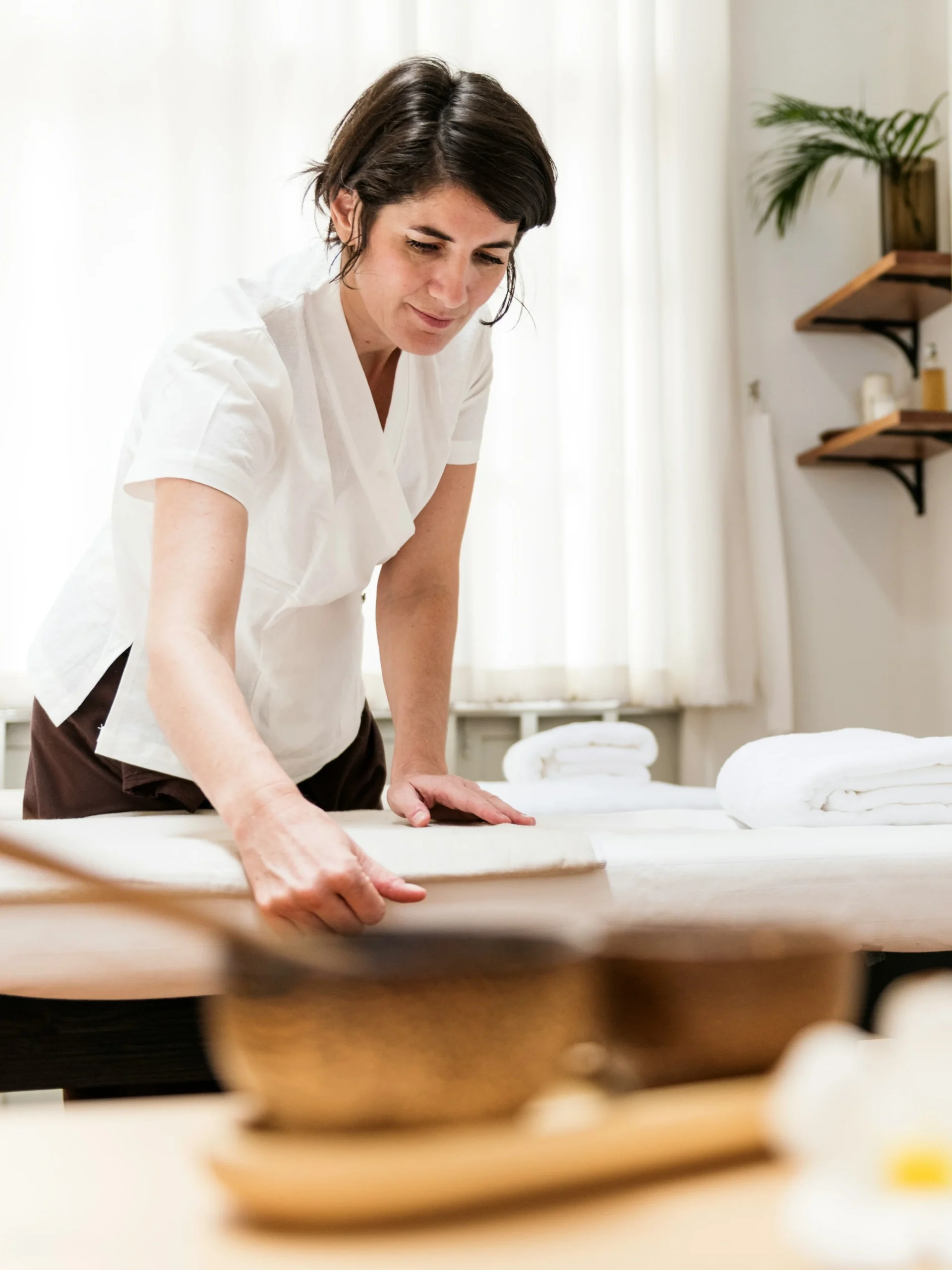
Look for practitioners certified by recognised bodies such as the AoR, BRA or CNHC, which require thorough training in anatomy, physiology and reflexology techniques. When you make contact, ask about their credentials, experience with your specific concerns and hygiene policies. If someone promises miracle cures, that’s your cue to keep looking. A good reflexologist will be transparent about what the treatment can (and can’t) do.
Now you’ve got the full picture: what reflexology is, how it works, what to expect and how to find the right practitioner for you. Whether you’re chasing stress relief, better sleep or just an hour where someone else takes care of you entirely, the right reflexologist will have you wondering why you didn’t book sooner. Browse reflexologists near you on Treatwell, read reviews, compare prices and book for whenever suits, today, this evening or the weekend.
FAQs
Reflexology targets specific mapped points believed to affect parts of the body, whilst foot massage relaxes muscles more generally. One's systematic, the other's freestyle.
Scientific studies show it can moderately reduce stress and anxiety. The evidence is promising but not definitive, and more research is needed, particularly around the claims that zones on the foot connect to parts of the body.
Yes, and this is where the evidence is strongest. Reflexology activates your parasympathetic nervous system, which helps lower stress levels.
With a trained practitioner who knows which points to avoid, yes. Some reflex points are traditionally avoided in early pregnancy, so always mention you're expecting when you book.
Most sessions last 30 to 60 minutes, with 45 minutes being the sweet spot.
It shouldn't. You might feel mild tenderness on sensitive spots, but anything painful means the pressure needs adjusting immediately. Don't be afraid to speak up.
Sessions typically range from £25 to £80+ depending on duration, practitioner expertise and location.