

Big day tomorrow, so you’re in your bathroom winding down before getting some essential beauty sleep, and there it is: a spot that wasn’t there earlier, sitting front and centre. Cue the frantic scroll through miracle cures as your stress levels rise: toothpaste, ice, that thing someone swore by online. We’ve all been there, and we’re here to talk you down, because most of the panic fixes are the ones that leave a mark for weeks. But don’t worry, there’s plenty you can do tonight to really calm things. Just remember one rule: be kind to your skin while you’re at it.
Can you really get rid of a spot overnight?
Not completely, no, but you can calm one down a lot by morning. A fresh whitehead can go from angry and obvious to barely there in a few hours if you treat it gently and then leave it alone. A deep, under-the-skin spot is a different story, and those take their time, so no amount of late-night effort will rush them. Think of overnight care as damage control, taking the heat, redness and swelling away, rather than a full disappearing act. Manage your expectations and you’ll be pleasantly surprised. Chase a miracle at midnight and you’ll usually make it worse. The aim tonight is simple: smaller, calmer, less red. That’s a realistic win, and often all you need to face the day.

Know what you’re dealing with first
The right move depends entirely on the type of spot. A whitehead, a small pus-filled bump near the surface, is the one most likely to behave overnight. A blackhead is a clogged pore that’s oxidised and gone dark, so it needs proper clearing rather than a quick fix. Papules are those red, tender bumps with no head, and pustules are the classic yellow or white-topped spots. Then there’s the cystic kind: deep, sore lumps that sit under the skin for days, sometimes weeks.
Here’s the short version of what to expect by morning:
| Spot type | What it is | Realistic by morning |
|---|---|---|
| Whitehead | Small pus-filled bump near the surface | Can shrink noticeably if you leave it alone |
| Blackhead | A clogged pore that’s oxidised dark | Needs proper clearing, not an overnight job |
| Papule | Red, tender bump with no head | Redness can settle, but it won’t vanish |
| Pustule | Classic yellow or white-topped spot | Often flatter and less angry by morning |
| Cystic spot | Deep, sore lump under the skin | Give it time, overnight fixes can’t reach it |
What actually helps by morning (and what to skip)
The single most effective thing you can do overnight is also the least satisfying one: leave it alone. Hands off. Every touch, prod and squeeze pushes bacteria deeper and turns a spot that would have faded into one that scars. (We know. It’s the hardest advice to follow.)
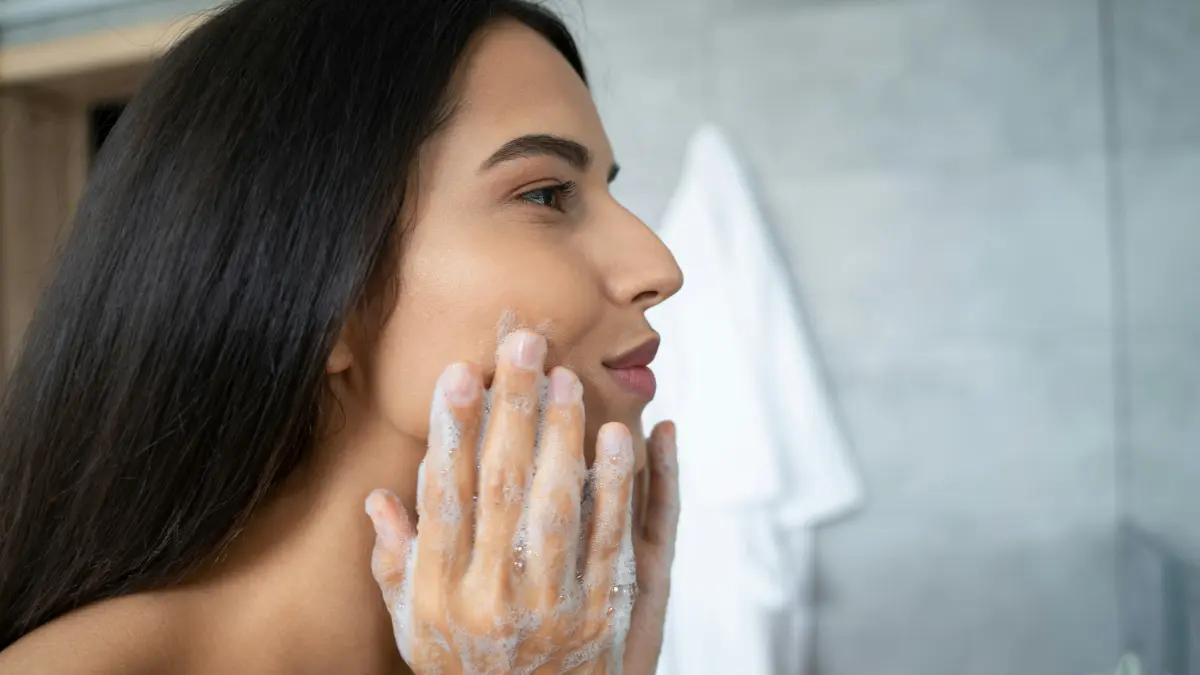
Beyond that, a few gentle steps really do help. Start by cleansing before bed, so you’re not sleeping in a day’s worth of oil, makeup and grime. Keep it gentle, this isn’t the night to scrub.
Next, cool it down. A cold compress held on the spot for a few minutes takes the heat and swelling out of an angry breakout. One quick word of caution: don’t press ice straight onto bare skin, wrap it in a soft cloth first or you’ll irritate the area and swap one problem for another.
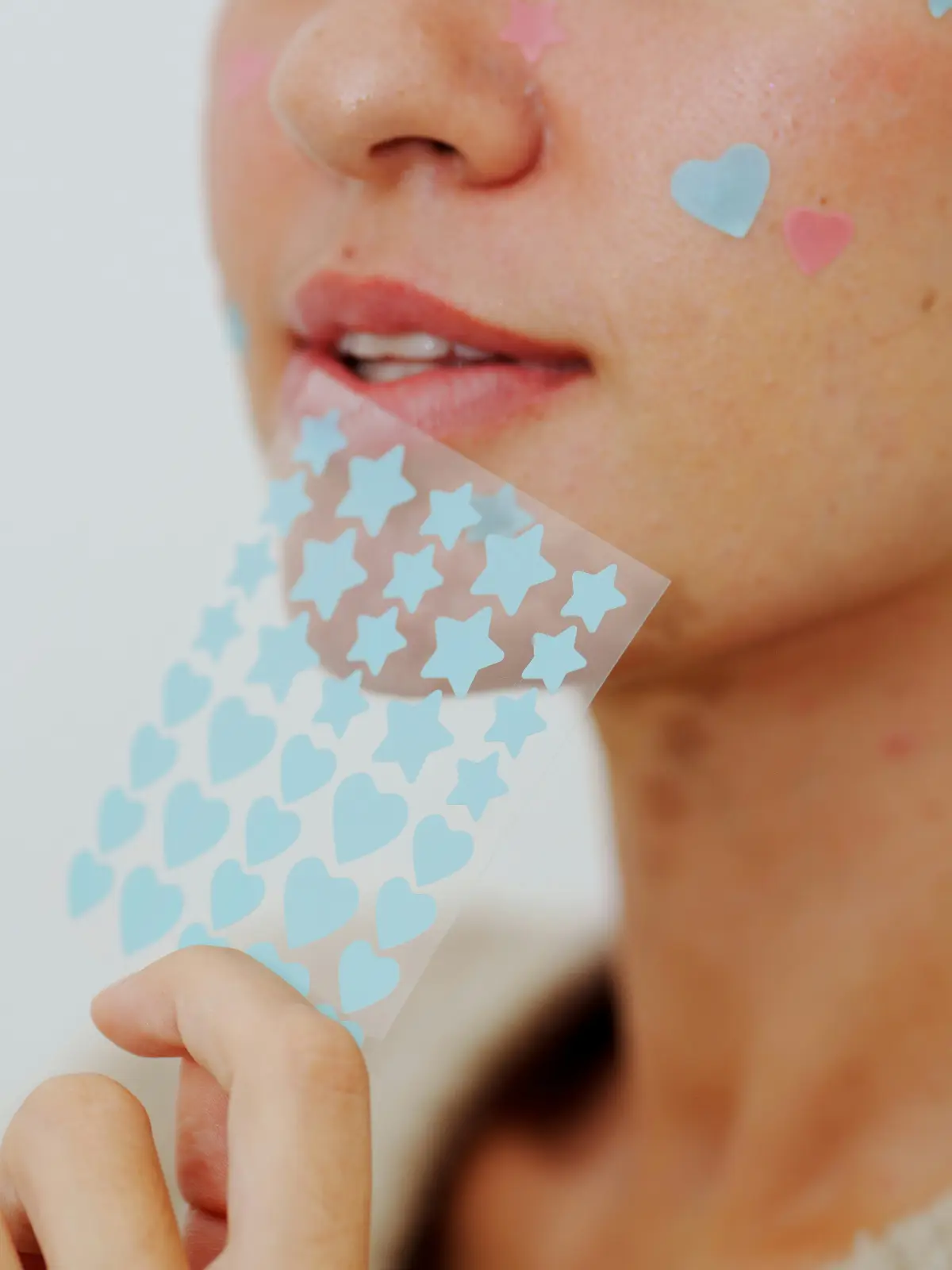
Then reach for a hydrocolloid patch, one of those little clear stickers or fun coloured stars. It works as a barrier as much as a treatment. It stops you touching the spot in your sleep and it draws out fluid from anything with a head, so you often wake up to a flatter, calmer spot underneath. Pop it on last thing at night and leave it be.
Now for what to skip, otherwise known as the internet’s greatest hits. Toothpaste, lemon juice and neat undiluted anything will burn, dry and irritate your skin, often leaving a dark mark long after the spot has gone. Piling on five different actives at once doesn’t work five times faster either, it just wrecks your skin barrier and leaves you worse off. Less really is more here.
A final word about the at-home approach: it’s fine for calming the odd spot, but it’s firefighting, not fixing. If you’re reaching for a spot treatment most weeks, the spot isn’t really the problem, whatever’s causing it is. That’s where a proper treatment comes in.
Why do spots turn up in the first place?
Spots form when a pore gets blocked with oil and dead skin, then bacteria move in and things turn red and swollen when your body tries to fight back. Simple enough. What’s less simple is why yours keep appearing, and it’s usually a mix of things rather than one single culprit.

Hormones are the big one. The natural rise and fall across the month, puberty, and shifts in your routine can all nudge your skin into producing more oil. Stress plays its part too, so those pre-deadline or pre-event breakouts aren’t a coincidence. Then there’s everyday friction and grime: your phone screen, an unwashed pillowcase, a sweaty gym kit left on, or a face mask worn for too long. For some people diet plays a supporting role, though it’s rarely the whole story. And (perhaps a little unfairly) being too harsh with your skincare can backfire, because over-cleansing and over-scrubbing strip your skin and trigger more oil, not less.
The takeaway is this: the odd spot is just life, but a pattern is your skin trying to tell you something. That’s when it’s time to listen and get a professional eye on it.
Why spots keep coming back, and the fix that lasts
If spots are a regular visitor, the lasting fix isn’t in your bathroom cabinet. You need a professional treatment that addresses the cause rather than the symptoms, and does the things you really shouldn’t try at home.
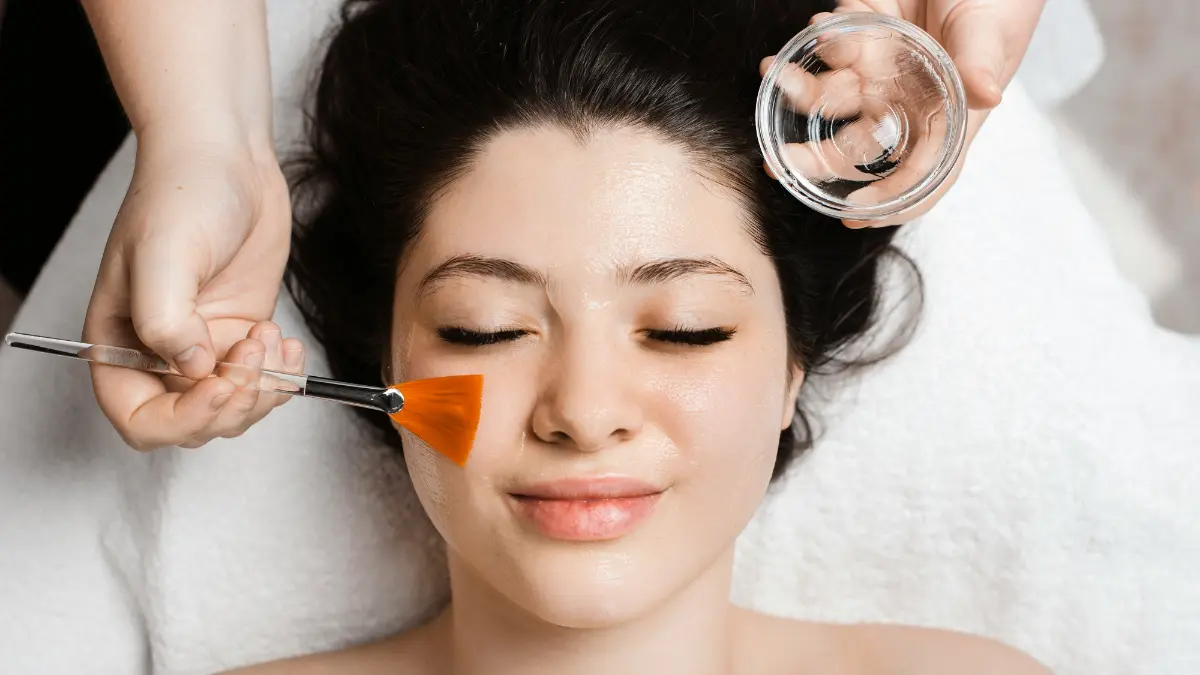
A deep-cleansing facial reaches right into the pores to clear the congestion that leads to breakouts, and a skilled therapist can carry out safe, sterile extractions, with no risk of scarring or pushing bacteria deeper. A chemical peel goes a step further, gently resetting your skin’s turnover so dead cells shift properly and pores stop clogging in the first place. For breakout-prone and teenage skin, a tailored acne facial or a teen facial takes the guesswork out of it, with no more throwing products at the wall and hoping something sticks.
Prefer something gentler? LED and blue light sessions calm inflammation and target the bacteria behind red, angry spots with no sensation and no downtime. And microdermabrasion buffs away the dead skin build-up that turns into blackheads, leaving skin smoother and brighter. Different routes, same destination: skin that behaves, so you’re not firefighting every few weeks.
The real difference a professional makes isn’t just the treatment, it’s the plan. Someone who can look at your skin, work out what’s actually going on, and tell you what will help, rather than you being overwhelmed in the skincare aisle. Professional help goes beyond covering a spot for tomorrow, it’s about giving you long-term results.
How to keep spots away between appointments
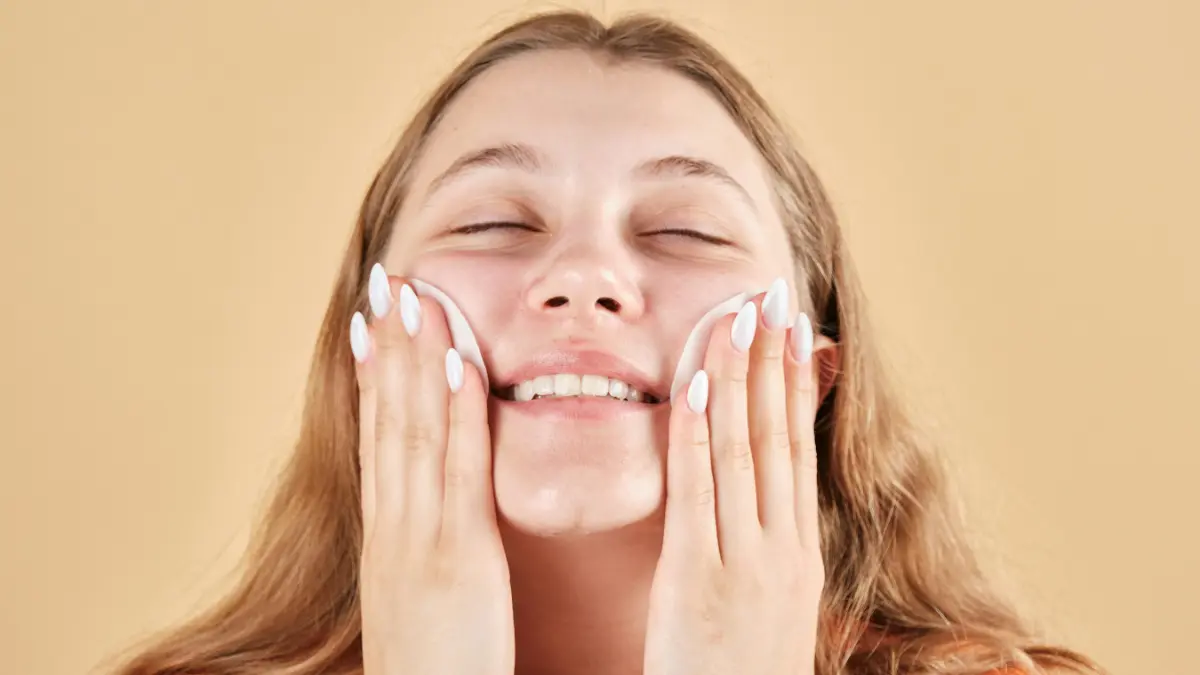
Between appointments, a few simple habits keep breakouts at bay, and none of them involve a twelve-step routine. Just keep it consistent and keep it kind:
- Cleanse morning and night, and always take your makeup off before bed
- Reach for non-comedogenic products (a fancy way of saying they won’t clog your pores) and resist the urge to over-exfoliate
- Swap your pillowcase often and wipe down your phone screen, because both are grimier than you’d like
- Keep your hands off your face during the day (easier said than done, we know)
- Wear SPF, since it stops old spots leaving lasting dark marks
Think of these as the maintenance that makes your professional treatments last longer. Do the basics well, let a therapist handle the rest, and your skin has far less to kick up a fuss about.
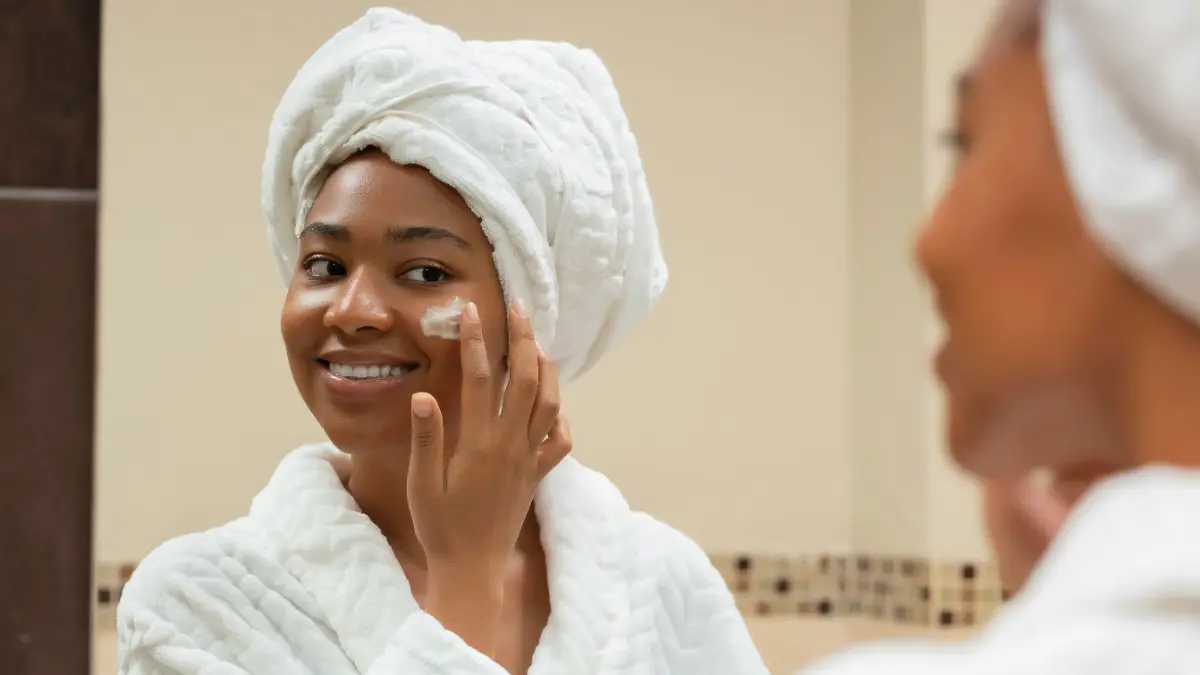
When it’s more than the odd spot
See a professional if your skin isn’t responding to gentle care, or sooner if spots are deep, painful, leaving marks, or knocking your confidence. Persistent or cystic acne is worth proper help, and both a skin therapist and (for stubborn cases) your GP have options that beat anything over the counter. There’s no medal for toughing it out, and the earlier you get on top of it, the less chance it leaves a lasting reminder.
Your no-panic spot plan
Here’s the whole routine, tonight and tomorrow, minus the drama.
Tonight:
- Cleanse gently, nothing harsh or stripping
- Hold a cold compress on the spot for a few minutes to bring down the swelling
- Pop a hydrocolloid patch over anything with a head and let it do its thing
- Keep your hands off and get some sleep (your skin does its best repair work while you’re in dreamland)
Tomorrow:
- Resist the urge to pick, still
- Use a light, non-comedogenic concealer to cover any leftover redness, green-tinted if you have it
- If this is a regular morning for you, that’s your cue to book something that actually sorts it

Now you know what a spot will and won’t do overnight, and more importantly, when to call in a professional instead of firefighting again and again. The right treatment doesn’t just clear what’s there, it stops the next one turning up, and a good skin therapist will sort in one session what weeks of bathroom-cabinet experiments can’t. Browse skin specialists near you on Treatwell, read the reviews, compare prices, and book for whenever suits (maybe even tomorrow morning).
FAQs
Can you make a spot disappear completely overnight?
Not completely, but you can shrink a fresh whitehead dramatically if you catch it early and treat it gently. By morning, what’s left is usually small enough to cover with a little concealer. Deep spots need more time, so don’t judge them by tomorrow.
What’s the fastest way to calm an angry, red spot?
Take the heat out of it. A few minutes with a cold compress brings down the swelling and redness fast, and a hydrocolloid patch stops you fiddling with it overnight. What you don’t want to do is attack it with harsh products, which usually makes an angry spot angrier.
Do pimple patches work on cystic acne?
Not really. Hydrocolloid patches draw fluid from spots that have a head near the surface, so a deep cystic lump has nothing for them to pull on. On a cyst, a patch mostly just protects it from your fingers, which is no bad thing, but it won’t shrink it.
Why doesn’t toothpaste work on spots?
Because it’s made for teeth, not skin. The ingredients that clean enamel can burn, dry out and irritate your skin, and often leave a dark mark that outlasts the spot. It’s one of those hacks that feels productive but actually makes things worse.
What happens if you pop a spot?
You push bacteria deeper, and a spot that would have healed on its own can turn into an infection, a bigger breakout, or a scar. Safe extraction is a real skill, which is exactly why it’s best left to a professional in a sterile setting.
How long does a spot take to heal on its own?
Left alone, a typical spot settles in about three to seven days, with whiteheads on the quicker end and deep cystic spots taking a week or more. Picking at it resets that clock and adds the risk of scarring. As ironic as it sounds, patience is the fast route here.
Can what I eat cause spots?
For some people, yes, though it’s rarely the only cause. Certain foods can nudge oil production or inflammation, but everyone’s skin is different. Rather than cutting things out on a hunch, it’s worth getting a professional view on what’s actually driving your breakouts.
Why do I always break out before a big event?
More often than not, it’s stress. A big event, a deadline, a wedding you’re in, they all send stress hormones up, and those cause your skin to produce more oil right when you least want it. Add in less sleep and a few late nights and your skin gets the memo. It’s frustratingly well timed, which is why calming your skin in advance, ideally with a treatment a week or two before, can prevent a last-minute rescue mission.
Can you wear makeup over a spot?
Yes, once things have settled a little. Give a hydrocolloid patch time to work overnight, then in the morning start with clean skin, a light non-comedogenic base, and a small brush to dab concealer just on the spot. Press it in rather than rubbing, and skip heavy powder on top, which tends to cling to any dry or flaky bits and draw more attention.
How often should I get a facial if I’m prone to breakouts?
Every four to six weeks is a common rhythm, roughly in step with your skin’s natural cycle, though a therapist will tailor it to you. Regular sessions stop congestion building up, which is where they really show their value. Think steady upkeep rather than one-off rescue.