
You waxed your legs dreaming of a gloriously smooth finish. Instead, you’re squinting at tiny dark dots and little red bumps, scattered across your skin like strawberry seeds. Frustrating? Absolutely. The end of the world? Not even close.
Strawberry legs are incredibly common, usually harmless, and very manageable once you know what’s going on. And here’s the reassuring bit. With the right aftercare, and the right approach to waxing, you can calm them down and keep them away. We’ll cover what strawberry legs are, why they appear after waxing, how to treat them, and how to prevent them. (That’s where we come in.)

What are strawberry legs?
Strawberry legs are when dark dots or small bumps appear around the hair follicles on the legs. Up close, they look like the seeded surface of a strawberry (hence the name), and they tend to show up more after hair removal.
Those little dots are usually your hair follicles or pores. They look darker when they’re open or clogged after trapping oil, dead skin or hair. Let’s be clear: strawberry legs are a cosmetic concern, not a health problem, and loads of people get them. They can appear on every skin tone and type. So, if you’re experiencing strawberry legs, you’re definitely not the only one.
Why do you get strawberry legs after waxing?
Waxing can bring on or highlight strawberry legs. It briefly irritates the skin and disturbs the hair follicles, which can leave them looking red, bumpy or more open for a few hours or days afterwards. Sometimes tiny hairs get trapped as they grow back (those are ingrown hairs). And sometimes follicles get clogged. Both show up as those tell-tale dots.
The honest truth: waxing doesn’t usually cause strawberry legs out of nowhere. More often, it reveals or aggravates something already there, like clogged follicles, dryness, or keratosis pilaris (a common skin condition where excess keratin blocks follicles). The good news is that it’s very fixable. It usually comes down to how your skin is prepped and cared for around your wax. That’s exactly where a professional and a solid aftercare routine earn their keep.
What causes strawberry legs?
Strawberry legs can stem from several things at once. So it helps to know the usual culprits before we get to fixing them. Here’s what’s typically going on under those dots.
Clogged pores and follicles
Clogged pores and follicles are often to blame. Dead skin cells and oil get trapped in them, and when that material meets the air it can oxidise and darken. The result is little dots, much like blackheads, on your legs. Regular gentle exfoliation is your best friend here.
Ingrown hairs
Ingrown hairs happen when a hair grows back and curls into the skin instead of breaking through. That leaves a raised, sometimes darkened bump. They’re a likely cause of a strawberry-leg look after any kind of hair removal (and yes, they’re annoying).
Folliculitis
Folliculitis is inflammation, and sometimes mild infection, of the hair follicles. It usually shows up as small red bumps or pimples. Irritation from hair removal, friction from clothing, or bacteria can trigger it. It’s usually minor, but it’s one to keep an eye on (more on when to get it checked below).
Keratosis pilaris
Keratosis pilaris is a very common and harmless condition. A build-up of keratin blocks the hair follicles, creating rough, bumpy skin often nicknamed “chicken skin”. It’s frequently mistaken for strawberry legs, and hair removal can aggravate it. It’s genetic and can’t be cured, but it’s very manageable and often eases with age.
Dry skin
Dry skin makes everything worse. It leaves follicles more prone to clogging and irritation. It also makes existing dots and bumps look more pronounced. Keeping your skin well moisturised is one of the simplest, most effective defences you’ve got.

Does waxing help or worsen strawberry legs?
It can honestly go either way, and the deciding factor is care. On the plus side, waxing removes hair from the root, rather than cutting it off at the surface the way shaving does. So there’s no dark stubble left sitting in the follicle. Over time, regrowth becomes finer and sparser, which can make the dots far less visible.
On the other hand, waxing without proper prep and aftercare can inflame the follicles. That’s especially true if your skin is prone to irritation, ingrown hairs or keratosis pilaris. A skilled professional wax, paired with regular exfoliation and moisturising, tends to leave skin smoother and clearer. A rushed job with no aftercare can do the opposite. So waxing isn’t the villain here. Poor prep and neglected aftercare are.
How to treat strawberry legs after waxing
If you’re looking at freshly waxed, dotty, slightly irritated legs right now, don’t panic. There’s plenty you can do. The approach is simple: soothe the irritation first, then smooth and clear the skin over the following days and weeks.

Soothing red, irritated skin straight after
For the first 24 to 48 hours, your job is to calm, not scrub. Keep the area clean and cool. Skip hot baths, saunas, swimming and sweaty workouts, and avoid tight clothing that rubs. Apply something gentle, fragrance-free and soothing, like a calming moisturiser or aloe gel. It’ll take the heat out of any redness. Whatever you do, resist the urge to exfoliate straight away because freshly waxed skin is far too sensitive, and scrubbing now will only inflame it further.
Exfoliating and moisturising
Once the irritation has settled, usually after a couple of days, gentle regular exfoliation is key. It’s the main way to clear strawberry legs (and prevent them too). Exfoliating two or three times a week lifts away the dead skin and debris that clog follicles and cause those dark dots. You can use gentle physical exfoliation, but chemical exfoliants are often more effective. Look for lactic, glycolic or salicylic acid, plus smoothing ingredients like urea.
Just as important is moisturising every day. Well-hydrated skin is less prone to clogging, irritation and that rough, bumpy texture, so slather on a body lotion daily (bonus points for using one with those smoothing acids). Over time, it makes a visible difference. Consistency is everything: this is a routine, not a one-off fix, and your legs will reward your dedication.

Building a simple strawberry-legs routine
Good news: an effective routine is simple and only takes a few minutes. Here’s a straightforward rhythm to smoother skin:
- Daily: moisturise your legs, ideally with a body lotion containing smoothing ingredients like lactic acid or urea. Hydrated skin is your first line of defence.
- Two or three times a week: gently exfoliate to clear away the dead skin and debris that clog follicles. Skip the day of and the day after a wax.
- Always: resist picking at bumps or ingrown hairs. Picking only inflames the skin and can lead to marks or infection.
Stick with this and you’ll usually see a noticeable improvement within a few weeks. The trick is to do the simple things consistently.

How to prevent strawberry legs when you wax
Prevention really is better than cure. A few habits around your wax make a big difference to whether you get strawberry legs at all:
- Exfoliate a day or two before your wax (not on the day) to clear away dead skin, so hair comes out cleanly and follicles are less likely to clog.
- Keep your skin well moisturised before and after your appointment, since hydrated skin waxes better and recovers faster.
- Follow proper aftercare by avoiding heat, friction and sweat for 24 to 48 hours, then easing back into gentle exfoliation.
- Don’t shave between waxes. Shaving reintroduces stubble in the follicle and undoes the smoothing benefits of waxing.
- Stick with regular waxing. Over time, regrowth becomes finer and sparser, which makes strawberry legs progressively less noticeable.
- Choose a skilled professional. Good technique, clean equipment and expert aftercare advice dramatically reduce irritation and ingrown hairs.
Waxing versus shaving and other hair removal methods
How you remove your hair plays a major role in strawberry legs, so let’s compare the options. Shaving is the least-good one. It cuts hair down to the skin leaving darker stubble sitting in the follicle. It also causes irritation, razor bumps and ingrown hairs, all classic strawberry-leg triggers.
Waxing tends to be kinder. It removes hair from the root, leaves no surface stubble, and gradually thins regrowth, so the dots fade over time. That’s as long as you look after your skin around it. Epilators work similarly, removing hair from the root, though they can also irritate sensitive skin.
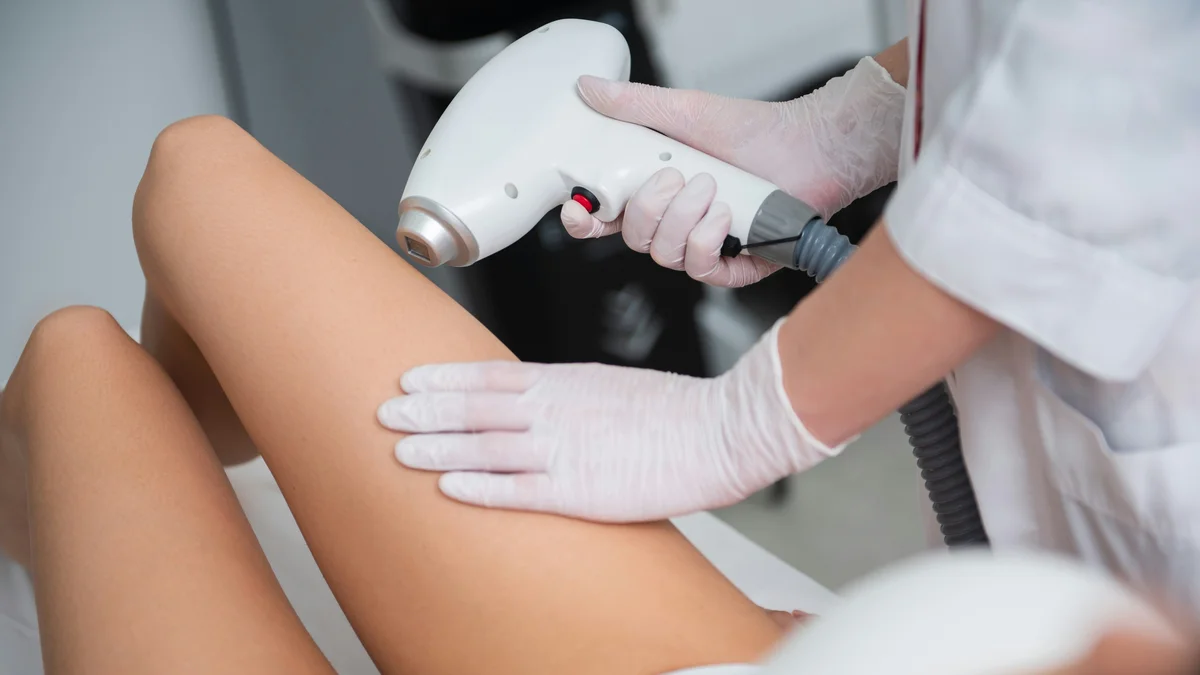
For a longer-term solution, laser hair removal reduces hair growth over a course of sessions. For many people, it’s the most effective way to keep strawberry legs at bay. If shaving has been leaving you with dotty, irritated legs, switching to professional waxing or exploring laser is often a real turning point.
Strawberry legs and keratosis pilaris
These two get confused constantly, so it’s worth untangling them. Strawberry legs is a general description of dotted, bumpy-looking skin. Keratosis pilaris is more specific: a harmless genetic condition where excess keratin plugs the follicles. (That’s what creates those rough “chicken skin” bumps.) If you’re not sure what’s causing your dotted skin, a GP or dermatologist can tell you.
If your strawberry legs are actually keratosis pilaris, the same principles apply: gentle exfoliation, using acids like lactic and salicylic, and diligent moisturising. Just manage your expectations because keratosis pilaris can’t be cured (although it often improves with age), and know that waxing can sometimes irritate it, so mention it to your therapist.
Professional treatments and longer-term fixes
If strawberry legs really bother you or keep coming back, there are a few professional fixes for a more lasting result. The standout is laser hair removal, which reduces hair growth over a course of sessions. With less hair and fewer follicles being disturbed, it can noticeably improve the look of strawberry legs for many people over time.
Laser is one treatment where a proper consultation can really help. You’ll talk through your skin, your hair type, and how many sessions you’re likely to need before you commit.
Beyond that, professional body treatments and expert exfoliation help keep skin smooth and clear. Plus, a skilled waxing therapist can also advise on the exact aftercare your skin needs. That tailored guidance is the real advantage of going professional. Someone assesses your skin, tells you what’s realistic, and gives you the best options, instead of leaving you guessing.
These treatments work best alongside a regular home routine. Your daily moisturising and gentle exfoliation are key to maintaining results between visits and keeping your legs looking their best.
How long do strawberry legs take to clear?
Strawberry legs are rarely permanent, which is the reassuring headline here. Temporary post-wax redness and irritation usually settles within a day or two. And with a consistent exfoliating and moisturising routine, the darker dots and bumps typically fade over a few weeks.
How long it takes depends on the underlying cause. Clogged follicles and mild irritation clear relatively quickly with the right care. Keratosis pilaris is more of an ongoing management job than a quick fix. Stay consistent and the results will build the longer you keep it up. However, if you’ve been at it diligently for a few weeks with no improvement at all, that’s your cue to get a professional opinion rather than soldiering on alone.
When to see a doctor
Strawberry legs are almost always just a cosmetic thing. But occasionally the underlying cause needs a professional eye. See your GP if the bumps become painful, very red, swollen, warm, filled with pus, or start to spread. This can signal folliculitis that needs treating. Also see your GP if you develop an itchy, worsening rash after waxing.
It’s also worth a chat with your GP or a dermatologist if your skin isn’t responding to a good routine. The same goes if you’re unsure whether it’s keratosis pilaris or something else. There’s no need to worry, since these things are easily treated, but getting the right diagnosis matters. It means you treat the right thing, rather than chasing the wrong solution for months.
The smooth-legs solution
Post-wax strawberry legs can feel like a slap in the face when you were expecting silky smoothness. But they really are common, harmless and very manageable. Soothe the irritation first. Then exfoliate and moisturise consistently, prep properly around your waxes, and give it a little time. You’ll see a real difference.
Now you know exactly what’s behind those dots and how to see them off. And the truth is, you don’t have to do it all alone. A skilled therapist will wax you properly, keep irritation to a minimum, and set you up with the right aftercare. And laser hair removal is your longer-term route to clearer, smoother skin. Browse waxing and laser salons near you on Treatwell. Read the reviews, compare prices, and book for whenever suits. So what are you waiting for?

FAQs
How do you treat strawberry legs after waxing?
For the first day or two, soothe the skin with gentle, fragrance-free moisturiser and avoid heat, friction and exfoliation. After that, exfoliate two or three times a week (chemical exfoliants like lactic or salicylic acid work well) and moisturise daily to clear and smooth the skin over time.
Does waxing get rid of strawberry legs?
It can help, because waxing removes hair from the root and, with regular sessions, regrowth becomes finer and less visible. That said, waxing alone isn’t a guaranteed cure, and it works best combined with regular exfoliation, good moisturising and proper aftercare.
How do you get rid of red legs after waxing?
Redness right after waxing is normal irritation and usually settles within hours. Keep the skin cool and clean, apply a soothing fragrance-free moisturiser or aloe-based product, and avoid heat, sweat and tight clothing for 24 to 48 hours. If redness worsens or turns into painful, spreading bumps, see your GP.
How do you avoid strawberry legs when waxing?
Exfoliate a day or two before your appointment, keep your skin well moisturised, follow proper aftercare, and don’t shave between waxes. Sticking with regular professional waxing, where technique and aftercare are done properly, makes strawberry legs far less likely over time.
Are strawberry legs the same as keratosis pilaris?
Not exactly. Strawberry legs is a general term for dotted, bumpy-looking skin, while keratosis pilaris is a specific condition where keratin plugs the follicles. They can overlap and are treated similarly, but keratosis pilaris is genetic and can be managed rather than cured, so it’s good to know which you have.