
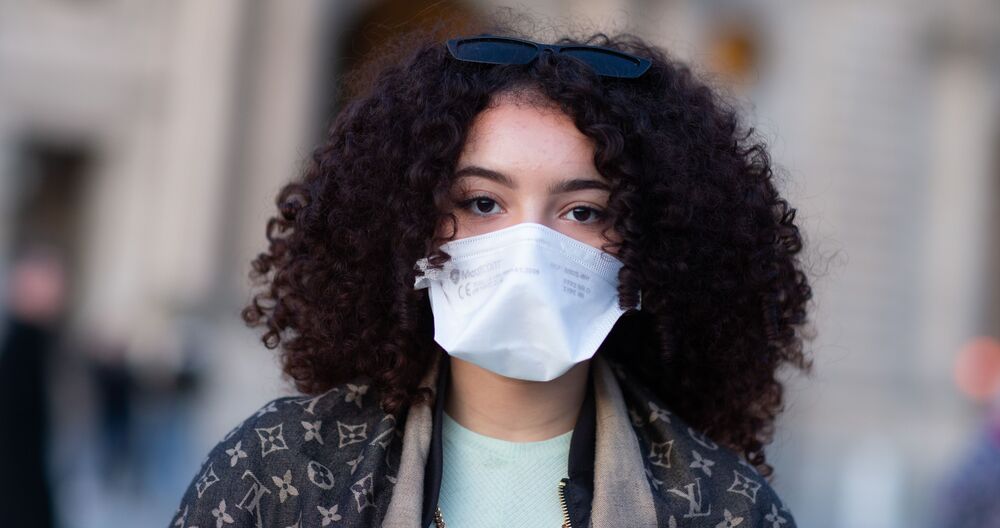
Alas, masks are back, which means the return of the dreaded ‘maskne’ (and just in time for the festive season – thanks a lot, COVID). Luckily, we’ve broken down how to protect and care for our skin while rolling with the new normal.
By Beth Ludolf
-
 1 Think about the material of your mask
The skin underneath the mask can get damp from the trapped breath. This creates a warm, moist environment (the kind that bacteria loves) and can lead to breakouts. Look for masks made from natural, breathable materials like cotton. Make sure it’s tightly woven, you don’t want it to let anything in.
-
2 Avoid wearing makeup
When you’re wearing a mask, the skin is already occluded so adding a layer of makeup is a fast-track to blocked pores, breakouts and irritation. Let your skin breathe and show off your DIY’d brows instead. The mask would rub off your foundation and, anyway, our skin has been loving all these no-makeup days.
-
3 Cleanse your skin after wearing your mask
The moist *shudders* environment underneath your mask can cause oil and sweat to buildup, cleansing the area can help to prevent breakouts. Just think, you wouldn’t leave the sweat on your skin after a workout. Wash your hands first (obviously), then cleanse the skin. Use something gentle, masks can leave the skin irritated.
-
4 Ditch any harsh products
It’s probably not the best time to be using harsh exfoliators and retinol. Masks can increase your skin’s sensitivity so adapt your skincare routine to reflect that. Look for soothing ingredients and aim for hydration. Could be a good time to try out natural ingredients.
-
5 Use a barrier cream
The friction between the mask and the skin can easily lead to irritation, rashes or dryness. Keeping skin hydrated will help but if you’re wearing masks regularly try applying a thick cream to the skin that is in direct contact with the mask. This will act as a barrier and ease irritation.
-
6 Wash your mask
You should wash your mask after every wear – for obvious reasons – either in the washing machine or by soaking it for 5 minutes in boiling water and detergent. Be mindful of the detergent you use, especially if your skin is easily irritated (the skin on your face is probably more sensitive than your body).
During this uncertain time, we’ll be continuing to create the content you love – whether for distraction, inspiration or to give guidance on wellbeing. If there’s anything you’d like to see (or not see) please contact us on Instagram @treatwell_uk. We hope you keep safe and healthy.






FAQs
What type of mask material is best for your skin?
Natural, breathable materials like cotton are best for your skin when wearing a mask. A tightly woven fabric helps block particles without trapping excess moisture, reducing irritation and the risk of breakouts.
How often should you wash your face mask?
You should wash your mask after every wear to keep it clean and safe for your skin. Use the washing machine or soak your mask for 5 minutes in boiling water and detergent. Be mindful of detergent choice if your skin is sensitive.
Should you wear makeup under your mask?
It’s best to avoid wearing makeup under your mask to prevent blocked pores and irritation. Masks create an occlusive environment, making skin more likely to break out if makeup is applied underneath.
How can you prevent skin irritation from mask friction?
Applying a thick barrier cream to areas where the mask touches the skin can help prevent irritation, dryness, and rashes. Keeping the skin hydrated also helps reduce friction between your mask and face.
What kind of skincare routine is best when wearing masks regularly?
A gentle, hydrating skincare routine is best if you wear masks often. Avoid harsh exfoliators or retinol, as masks can increase skin sensitivity. Look for soothing ingredients to keep your skin comfortable and calm.