
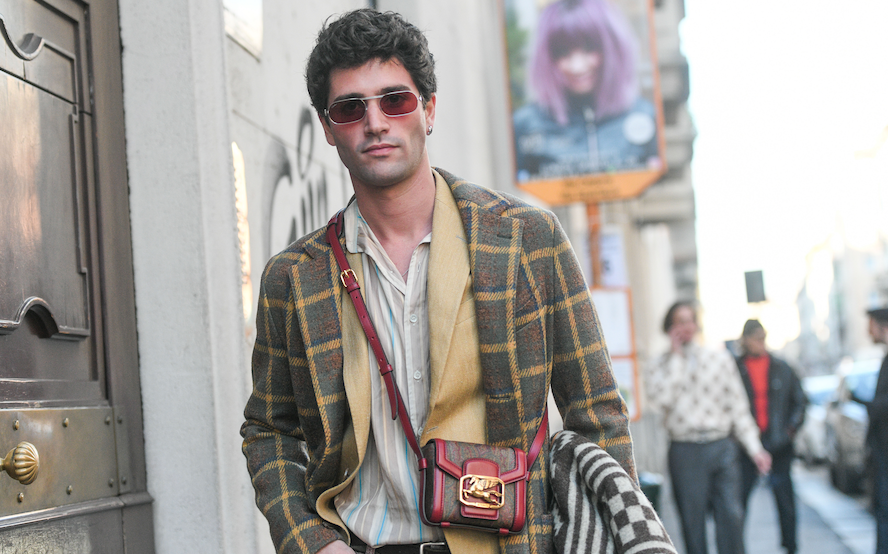
If we’ve said it once, we’ve said it a thousand times: a good pair of killer brows have the power to completely change your face. They accentuate the eyes, frame and add definition to the face, and can also totally alter your face shape. Plus, they play a huge role in communication (just look at how emotive this guy is – ?).
It’s no surprise then, that we as a society are kind of obsessed with eyebrows – from threading to waxing, tinting to lamination, there’s a seemingly endless list of ways we choose to preen and primp our brows.
And of course, anything that means less time getting ready in the morning? Even better. This is where the semi-permanent options come in. Until now, microblading has been the go-to semi-permanent technique for long-term definition and enhancement. Recently, though, a new technique seems to be taking center stage. It’s called microfeathering, and we’re ridiculously excited about it. Here’s why we love it.
-
 1 What is it?
Microfeathering is a semi-permanent makeup technique, in which blades and/or needles are used to add pigment to the skin. It’s essentially an updated version of microblading, which has been taking the brow world by storm for a few years now. The microfeathering technique mimics individual hairs, giving brows a lifted, feathery, natural look.
-
2 Advantages
The main advantage of microfeathering is that it gives the appearance of thickness, fullness, and fluffiness, without the need for makeup. Essentially, it’s a lazy girl’s dream come true – no more pencilling, pomade-ing, or powdering every morning.
-
3 Microblading vs. Microfeathering
Like microblading, microfeathering mimics the appearance of individual brow hairs. Microblading, though, is usually on the more ‘uniform’ side, and the hair strokes closer together. This can lead to a look that can seem a little intense and over-filled, if you prefer a more natural look.
Microfeathering, on the other hand, is much more minimalist and subtle – the technique aims to fill in sparse areas of brow and work with the natural brow and shape to create a cool, effortless, more modern look. This also means it’s more customisable to each individual’s face shape.
-
4 The session
Your microfeathering session will begin with a consultation in order to define the desired result. Again, it’s really customisable to your face shape and the look you’re wanting to achieve, so this step is really important. The colour will then be selected to complement your colouring for a natural-looking result. The pigmentation is then applied to the superficial layers of the epidermis using a microscopic blade in order to mimic the appearance of the hair. The session is painless – thanks to the application of an anesthetic cream – and lasts between 1h30 and 2h.
-
5 After the treatment
When leaving the salon, you may notice some redness – this will generally disappear in a few hours. In the week that follows, the eyebrows may appear darker than you imagined – this is normal. The colour and intensity will diminish by around 50% until it reaches the desired shade, at which point the colour will stay the same for around 8-12 months. After this, the colour will begin to fade, and you may wish to book a touch-up.
In terms of aftercare, it’s recommended to use a high SPF (30+), to stop the sun from fading the pigment. It’s also advisable to AHAs or chemical peels, which can also fade the colour.
With Treatwell, you can book beauty online at all your favourite salons – simple, hassle-free, and you can do it on the go. Discover amazing salons in your area.


FAQs
What is microfeathering and how does it work?
Microfeathering is a semi-permanent makeup technique that uses blades or needles to deposit pigment, giving your brows a lifted, feathery, and natural look. This approach mimics individual hairs and is more subtle than traditional microblading, working with your natural brow shape for a customised result.
How long does a microfeathering treatment take?
A microfeathering session takes between 1 hour 30 minutes and 2 hours. The appointment includes a consultation to define your desired shape, selecting a colour to complement your features, and the painless application of pigment using a microscopic blade.
What can you expect after a microfeathering treatment?
After microfeathering, you might notice some redness that usually fades within a few hours. Your brows may appear darker for about a week, then lighten by around 50% to reach the final colour, which generally lasts 8-12 months before fading.
How is microfeathering different from microblading?
Microfeathering is more minimalist and subtle than microblading, with strokes placed to fill sparse areas rather than creating a dense, uniform look. This technique works with your existing brow shape to deliver a modern, effortless appearance that can be customised for each person.
What aftercare steps should you follow post-microfeathering?
You should use a high SPF (30+) to prevent sun from fading the pigment and avoid products with AHAs or chemical peels, as these can reduce colour intensity. Following these steps helps maintain your new brow look for as long as possible.